
Sports, entertainment, food and tech dominate Pakistan’s 2024 Google searches

A cursor hovers over Google’s iconic search engine page, symbolizing the start of a new query. (AP/File)
Short Url
Updated 11 December 2024
Follow

Sports, entertainment, food and tech dominate Pakistan’s 2024 Google searches

  • Google’s annual list offers glimpse into most popular trends and topics of the year and what captured people’s interests
  • This year’s searches revealed a country deeply rooted in traditions while also embracing the possibilities of the digital age

KARACHI: Google this week released its annual overview of the year’s most-searched topics, with sports, entertainment, food, and technology driving Pakistan’s digital interests, the global technology giant said.

The Google list, often called the “Year in Search” or “Google’s Year in Review,” showcases the most popular searches, trends, and topics of the year, offering a glimpse into what captured the interest of people globally.

“Google’s Year in Search 2024 released a captivating narrative of Pakistan’s digital landscape, one where sports, entertainment, food and technology kept the users hooked to Google, showcasing the nation’s content preferences,” Google said in a press release.

The Pakistan year-end lists for this year comprise the six categories of cricket, people, movies and drama, how to, recipes and tech. 

The cricket category was dominated by searches on the International Cricket Council Twenty20 World Cup, followed by the Pakistan Super League 2024 schedule and queries regarding players like Shoaib Malik.

At the top of the people’s list was Iranian photographer Abbas Attar, followed by Etel Adnan, the Lebanese-American poet and essayist, and Pakistani Olympic gold medalist Arshad Nadeem.

“Entertainment also held a prominent place in Pakistan’s digital landscape, with the enduring appeal of Pakistani dramas evident in searches for shows like Ishq Murshid and Kabhi Main Kabhi Tum,” Google said.



Caption

“Bollywood films like Animal, Dunki, Bhool Bhulaiyaa 3, and Stree 2 also generated buzz, along with reality show Bigg Boss and the eagerly awaited Mirzapur Season 3.”

Pakistanis also explored a variety of culinary delights on Google with recipe searches ranging from banana bread, creamy pasta, egg noodles and peach iced tea as well as local dishes like malpura pancakes and tawa kaleji, which is fried goat liver.

In the tech sector, the increasing interest in Artificial Intelligence tools was evident through searches for Gemini and Remaker AI, while the demand to stay connected was reflected in queries for the latest smartphones including models from Infinix, Redmi, Vivo, and Apple, Google said.

The statement said “how to” searches revealed queries about polling stations during a year in which Pakistan held general elections, and tips on how to make flowers last longer. Parental advice was also a part of the top searches.

Google Country Director of Pakistan Farhan Qureshi said this year’s searches revealed that Pakistan was deeply rooted in traditions while also embracing the possibilities of the digital age.

“From the cricket pitch to the kitchen, from the silver screen to the search bar, Pakistanis are using Google to explore their passions, connect with their culture, and shape their future,” he said. 

“AI has been integral to reimagining what Search can do, and we’re looking forward to expanding on our capabilities to help Pakistanis discover more of the web and the world around them.”
Pakistan raises fuel prices by Rs55 per liter as Middle East conflict drives oil surge

Updated 06 March 2026
Follow

Pakistan raises fuel prices by Rs55 per liter as Middle East conflict drives oil surge

  • Government says adequate fuel stocks in place despite global energy shock
  • Oil prices jump from about $78 to over $106 per barrel amid regional conflict

ISLAMABAD: Pakistan on Friday increased petrol and diesel prices by Rs55 ($0.20) per liter each as escalating conflict in the Middle East sent global oil prices sharply higher and disrupted energy supply routes, officials said.

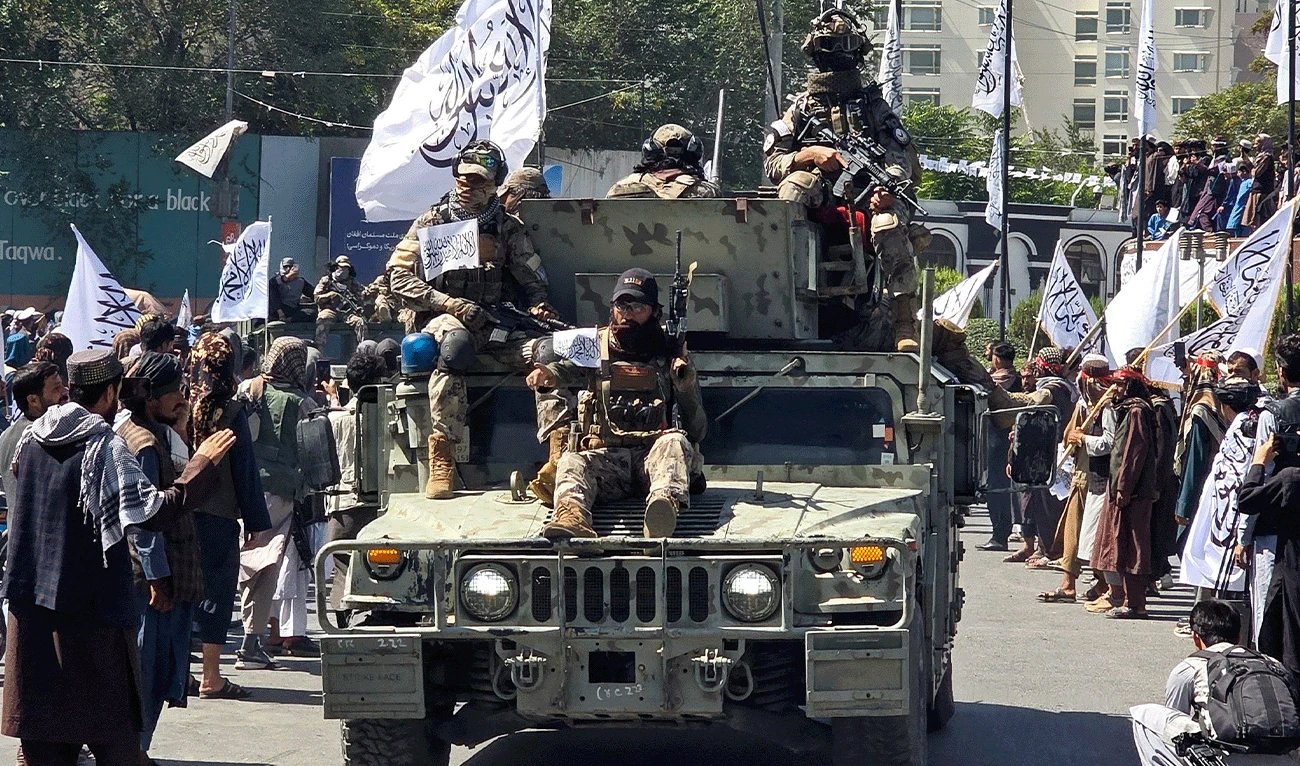
Global oil markets have been rattled since coordinated strikes by the United States and Israel against Iran began last week, triggering retaliatory attacks across the region, raising fears of disruption to key energy shipping routes and pushing petroleum prices sharply upward.

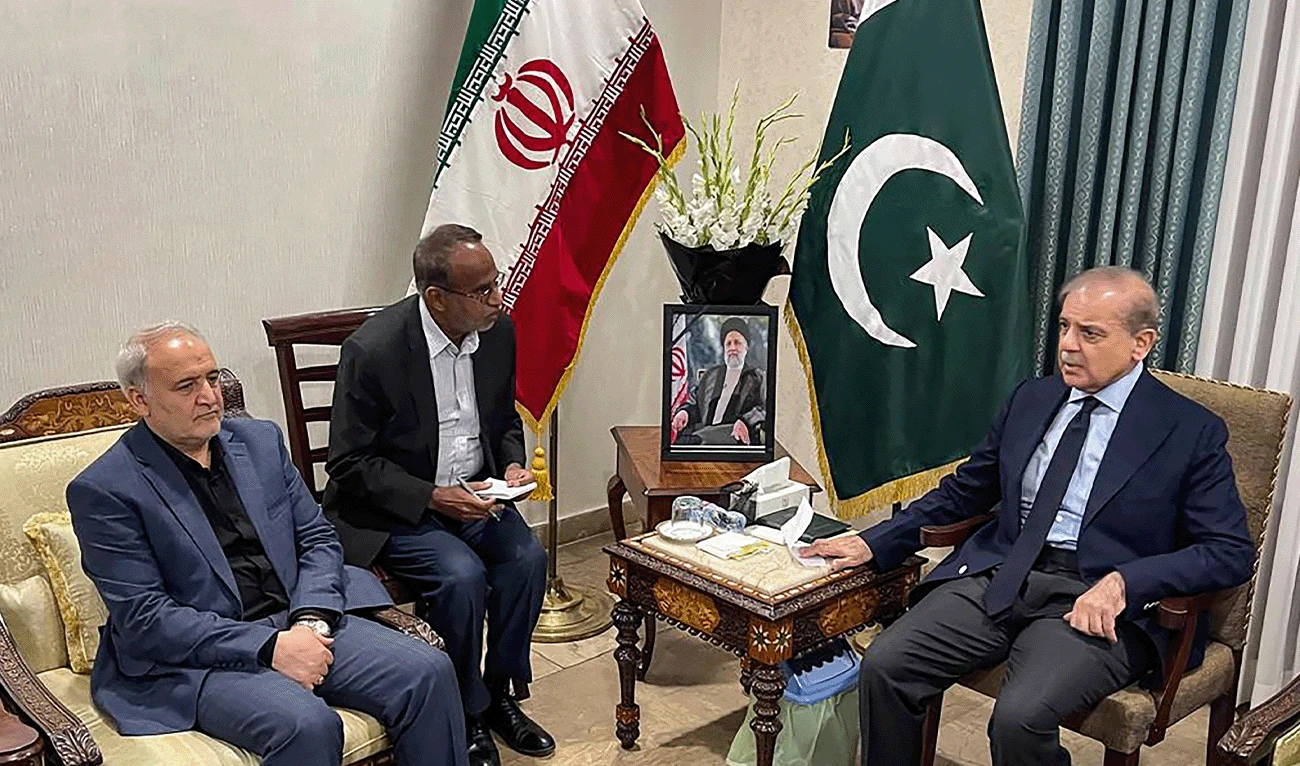
The price adjustment in Pakistan was announced after a joint press conference by Finance Minister Muhammad Aurangzeb, Deputy Prime Minister and Foreign Minister Ishaq Dar and Petroleum Minister Ali Pervaiz Malik, who said the government was monitoring international energy markets and domestic supply conditions amid the crisis.

“So, the decision we have made by changing the levy a little bit is that we are going ahead with increasing the price of both fuels, petrol and diesel, by Rs55 ($0.20),” Malik told reporters. 

“And as soon as this matter settles, we will revise the prices downward with the same speed and take steps on how to increase people’s income and purchasing power.”

He said Pakistan entered the crisis with “comfortable energy reserves” due to earlier planning but rising global prices had forced the government to adjust domestic fuel rates to maintain supply continuity.

He said international petrol prices had climbed from roughly $78 per barrel on March 1 to around $106.8 per barrel, while diesel prices had risen to about $150 per barrel.

Malik added that the government had taken steps to minimize the burden on consumers, noting diesel plays a critical role in agriculture, transportation and public mobility.

Malik also warned that authorities would take strict action against anyone attempting to hoard fuel or manipulate supply for profiteering.

The minister said Pakistan was working with international partners to secure additional energy supplies, including arrangements with Saudi Aramco and the use of Pakistan National Shipping Corporation vessels to transport crude oil imports.

Finance Minister Aurangzeb said a high-level government committee formed by Prime Minister Shehbaz Sharif had been meeting daily to review developments in global petroleum markets and their potential impact on Pakistan’s economy.

“Pakistan currently maintains adequate energy stocks and macroeconomic stability,” Aurangzeb said, adding that the government’s response was based on preparedness rather than panic.

He said the committee, which includes senior ministers, the governor of the State Bank of Pakistan and other officials, was assessing short-, medium- and long-term implications of the crisis for inflation, foreign exchange reserves and broader economic indicators.

Deputy PM Dar said the regional conflict had significantly disrupted global energy markets, with international petroleum prices rising by as much as 50–70 percent in recent days.

The deputy prime minister added that Pakistan was also engaged in diplomatic efforts aimed at de-escalating tensions and restoring stability in the region.

Petroleum prices will now be reviewed more frequently, potentially on a weekly basis, and any reduction in global oil prices would be passed on to consumers.

Pakistan, which relies heavily on imported fuel to meet its energy needs, is particularly vulnerable to global oil price shocks that can quickly feed into inflation and pressure the country’s external accounts.