GENEVA: Syrian families whose loved ones disappeared under ousted president Bashar Assad should not try to exhume their bodies themselves, which could prevent forensics experts from identifying them, the Red Cross said Tuesday.
After years of brutal conflict, families have an understandable urge to find and retrieve missing relatives’ bodies from formerly off-limits areas now that Assad has fled the country, but it is important to “follow all the steps correctly,” Christian Cardon, spokesman for the International Committee of the Red Cross (ICRC), told AFP in an interview.
The issue of the missing is “central today, but also for the future,” with proper autopsies needed to “eventually pave the way for peace and reconciliation negotiations,” he said.
More than 100,000 people have disappeared during Syria’s civil war, according to rights groups. They say most of the disappearances came at the hands of Assad’s side, which was overpowered by an Islamist-led militant coalition, causing the long-time leader to flee the country Sunday.
As militants flooded into Damascus, images on social media showed dozens of emaciated men, some so weak they had to be carried, leaving the notorious Saydnaya prison, which Amnesty International has condemned as a “human slaughterhouse.”
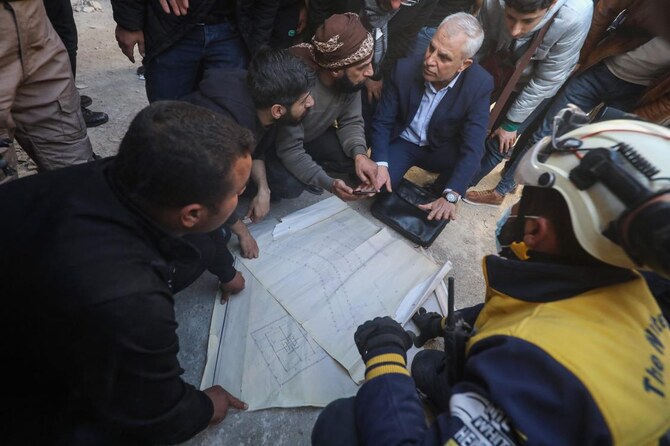
With families searching for their missing loved ones, alive or dead, Cardon appealed to them to “respect cemeteries and other places where people may be buried.”
“Key forensic processes” must be followed so victims’ bodies can be identified, he added.
The Red Cross is also urging Syrians to “protect the registry documents in which thousands of prisoners’ names were recorded,” along with “thousands of people believed to be dead,” Cardon said.
“There’s a real urgency today to ensure that in administrative offices as well as prisons and detention centers across the country, people preserve and maintain that vital information.”
“Anyone in a position of authority in Syria today needs to make sure the different buildings are protected,” Cardon said.
The Red Cross is in touch with “influential actors” in the country, including Hayat Tahrir Al-Sham (HTS), the group that spearheaded the anti-Assad offensive, he said.
An ICRC team visited Saydnaya prison on Tuesday and “observed that many documents related to detainees held at the prison have been damaged and scattered in different rooms,” the organization said on X.
With thousands of prisoners now freed, the ICRC, which has around 500 staff in Syria, says it hopes to reunite as many families as possible using information gathered by its offices around the world over the years.
The organization has set up two hotlines, for both ex-prisoners (+963 953 555 431) and families seeking their loved ones (+963 936 033 628).
Its employees are also doing outreach on the ground in Syria to help families reunite.
It is a “puzzle” that will take time to complete, given that those involved have been through “major traumatic events,” said Cardon.


![]()

Red Cross urges Syrians not to exhume their own dead
Short Url
https://arab.news/w3eaf
Red Cross urges Syrians not to exhume their own dead
- With families searching for their missing loved ones, alive or dead, Cardon appealed to them to “respect cemeteries and other places where people may be buried“
- “Key forensic processes” must be followed so victims’ bodies can be identified, he added


Latest updates


© 2026 SAUDI RESEARCH & PUBLISHING COMPANY, All Rights Reserved And subject to Terms of Use Agreement.