McALLEN, Texas: Texas is offering a parcel of rural ranchland along the US-Mexico border to use as a staging area for potential mass deportations under President-elect Donald Trump.
The property, which Texas originally purchased last month, is located in rural Starr County in the Rio Grande Valley. Republican Dawn Buckingham, the Texas Land Commissioner, sent a letter Nov. 14 to Trump extending the offer.
“We do hear through back channels that they are taking a look at it and considering it. But we just want them to know we’re a good partner. We’re here. We want to be helpful,” Buckingham told The Associated Press in an interview on Wednesday.
The property has no paved roads and sits in a county with one public hospital and limited local resources. But Buckingham stressed its location.
“We feel like this is actually very well-located. The land is very flat there. It’s adjacent to major airports. It’s also adjacent to a bridge over the river,” Buckingham said. “So if it’s helpful, then I would love to partner up with the federal government. And if it’s not, then we’ll continue to look to ways to be helpful to them.”
The land offer is the latest illustration of a sharp divide between states and local governments on whether to support or resist Trump’s plans for mass deportations of migrants living in the US illegally. On Tuesday, the Los Angeles City Council voted to become a “sanctuary” jurisdiction, limiting cooperation with federal immigration authorities to carry out deportations.
Texas leaders have long backed aggressive measures on the border to curb crossings, including installing razor-wire barriers and passing a law last year that would allow law enforcement to arrest migrants who cross the border illegally.
“By offering this newly-acquired 1400-acre property to the incoming Trump Administration for the construction of a facility for the processing, detention, and coordination of what will be the largest deportation of violent criminals in our nation’s history, I stand united with President Donald Trump to ensure American families are protected,” Buckingham said in an earlier statement.
Trump has said he plans to begin his deportation efforts on the first day of his presidency. He frequently attacked illegal immigration during his campaign, linking a record spike in unauthorized border crossings to issues ranging from drug trafficking to high housing prices.
There are an estimated 11 million people in the country illegally. Questions remain about how people would be identified and where they would be detained.
The president-elect’s transition team did not say whether they would accept Texas’ offer but sent a statement.
“On day one, President Trump will marshal every lever of power to secure the border, protect their communities, and launch the largest mass deportation operation of illegal immigrant criminals in history,” Karoline Leavitt, the transition spokeswoman for Trump and Vice President-elect JD Vance, said Wednesday.
The Texas General Land Office did not disclose the amount paid for the land, but Buckingham stated the previous owner resisted the creation of a border wall.
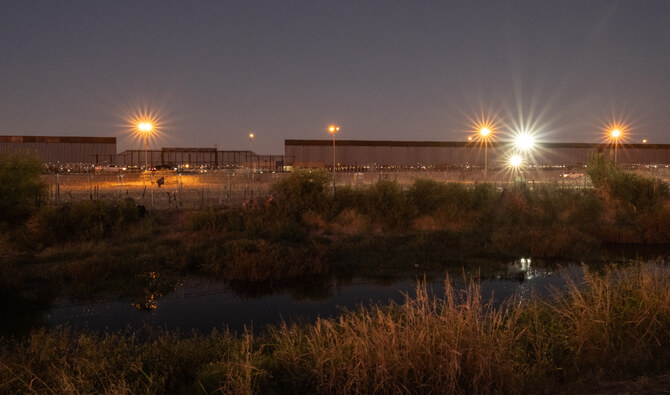
A 1.5-mile (2.4 kilometer) stretch of border wall was built under Republican Gov. Greg Abbott in 2021 on that land. Buckingham said with the recent purchase, the state has created another easement for more border wall construction.


![]()

Texas offers Trump land on US-Mexico border for potential mass deportations
Short Url
https://arab.news/m36am
Texas offers Trump land on US-Mexico border for potential mass deportations


Latest updates


Recommended


© 2026 SAUDI RESEARCH & PUBLISHING COMPANY, All Rights Reserved And subject to Terms of Use Agreement.