
JEDDAH: Saudi Arabia’s aviation authority is revolutionizing the passenger experience by incorporating artificial intelligence into its services, in alignment with the nation’s strategic aviation plan, a senior Saudi official said.
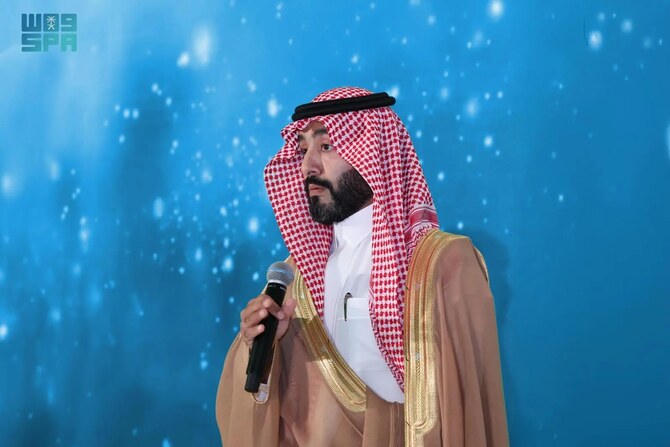
At the 2024 Global Civil Aviation Forum in Shanghai, Abdulaziz bin Abdullah Al-Dahmash, vice president of the General Authority of Civil Aviation for Quality and Passenger Experience, highlighted the authority’s ongoing initiatives designed to improve passenger satisfaction.
A session dedicated to GACA’s role in enhancing the passenger experience featured international experts and focused on the authority's efforts to align with Saudi Arabia's aviation strategy and Vision 2030.
The discussion underscored Saudi Arabia's use of data analytics and AI to transform the aviation sector, supporting the National Aviation Strategy and the broader Vision 2030 objectives. This approach is part of the Kingdom's goal to achieve excellence in both aviation services and infrastructure.
The National Aviation Strategy serves as a roadmap to solidify Saudi Arabia’s position as a global leader in tourism, business travel, and logistics. Built around three core pillars — empowering national tourism, improving domestic aviation, and aligning with Vision 2030 — the strategy aims to enhance interconnectivity, increase the market share of national carriers, and expand airport infrastructure.
By leveraging its strategic location and investment potential, Saudi Arabia’s aviation strategy directly contributes to Vision 2030, which aims to strengthen services and bolster the travel and logistics sectors.
Al-Dahmash noted that to achieve the National Aviation Strategy’s ambitious goals, which include tripling passenger traffic to 330 million annually by 2030, Saudi Arabia is prioritizing major infrastructure projects.
This includes constructing new airports, such as the King Salman International Airport, and expanding existing ones to accommodate the surge in passenger numbers. Alongside this, there is a strong focus on improving operational efficiency and enhancing the overall passenger experience.
In this context, GACA is actively developing and implementing programs to meet evolving passenger expectations. One such innovation is the introduction of AI-powered systems that manage and monitor passenger flow, tracking wait times across Saudi airports.
Additionally, the “Bagless Traveler” initiative is transforming the travel process by enabling passengers to complete check-in and baggage handling from their accommodation. During its pilot phase, the service successfully assisted over one million passengers, with more than 2 million bags processed without incident.
Al-Dahmash also emphasized the importance of regulatory frameworks that GACA has implemented, noting that these efforts have significantly improved services at Saudi airports, leading to higher levels of passenger satisfaction. This success has garnered recognition, with several airports receiving local and international awards.
Moreover, GACA has presented its innovative passenger experience programs at global conferences, sharing its best practices with civil aviation authorities worldwide, demonstrating how others can leverage these advancements for similar success.