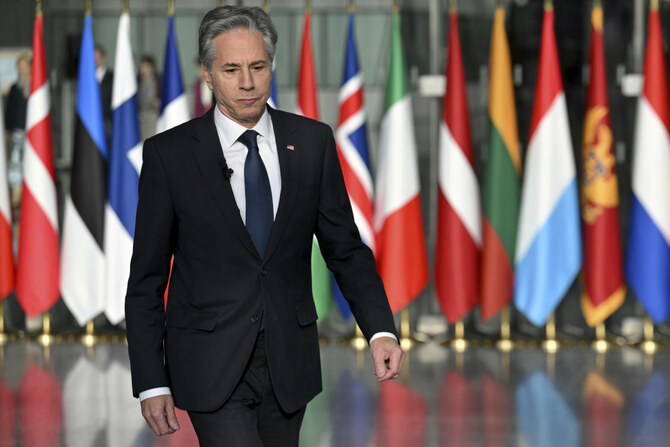
KYIV: The Biden administration is determined in its final months to help ensure that Ukraine can keep fighting off Russia’s full-scale invasion next year, sending it as much aid as possible so that it might hold Russian forces at bay and possess a strong hand in any potential peace negotiations, US Secretary of State Antony Blinken said Wednesday.
“President Biden has committed to making sure that every dollar we have at our disposal will be pushed out the door between now and Jan. 20,” when president-elect Donald Trump is due to be sworn in, Blinken said.
NATO countries must focus their efforts on “ensuring that Ukraine has the money, munitions and mobilized forces to fight effectively in 2025, or to be able to negotiate a peace from a position of strength,” Blinken said during a visit to Brussels.
The US will “adapt and adjust” with the latest equipment it is sending, Blinken said, without providing details.
The almost three-year war has shown no signs of winding down.
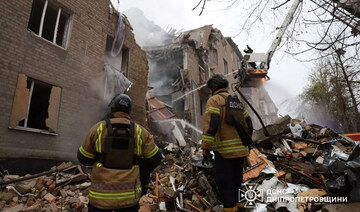
Russia attacked the Ukrainian capital Kyiv with a sophisticated combination of missiles and drones for the first time in 73 days on Wednesday. That came a day after the Pentagon said most of the North Korean troops sent to help Moscow’s war effort are fighting to drive Ukraine’s army off Russian soil in the Kursk border region.
Ukraine is also straining to hold back a monthslong Russian onslaught in the eastern Donetsk region.
Political uncertainty over how a US administration under Trump will change Washington’s policy on the war is a key new factor in the conflict. US military aid is vital for Ukraine, but Trump has signaled that he doesn’t want to keep giving tens of billions of dollars to Kyiv.
Air raid warnings blared for hours as Russia targeted eight regions of Ukraine on Wednesday, firing six ballistic and cruise missiles and 90 drones, the Ukrainian air force said.
Air defenses downed four missiles and 37 drones, and another 47 drones were stopped by electronic jamming, the statement said. The damage was being assessed.
The air assault came as most of the more than 10,000 North Korean troops sent by Pyongyang to help Moscow in the war are engaged in combat in Russia’s Kursk border region, according to the Pentagon. A Ukrainian army incursion into Kursk three months ago has succeeded in holding a broad area of land and has embarrassed the Kremlin.
Russia’s military has trained the North Korean soldiers in artillery, drone skills and basic infantry operations, including trench clearing, Pentagon deputy spokesperson Vedant Patel told a briefing Tuesday. The cooperation faces challenges, according to the Pentagon, including how to achieve military interoperability and overcoming the language barrier.
Kyiv officials say that Russia has deployed around 50,000 troops to Kursk in a bid to dislodge the Ukrainians.
Russia has in recent months been assembling forces for a counteroffensive in Kursk, according to the Institute for the Study of War think tank, though the timescale of the operation isn’t known.


![]()
Biden is sending aid to help Ukraine keep fighting next year, Blinken says

Short Url
https://arab.news/m8mbj
Biden is sending aid to help Ukraine keep fighting next year, Blinken says
- “President Biden has committed to making sure that every dollar we have at our disposal will be pushed out the door between now and Jan. 20,” Blinken said
- The US will “adapt and adjust” with the latest equipment it is sending, Blinken said, without providing details
Latest updates


© 2026 SAUDI RESEARCH & PUBLISHING COMPANY, All Rights Reserved And subject to Terms of Use Agreement.