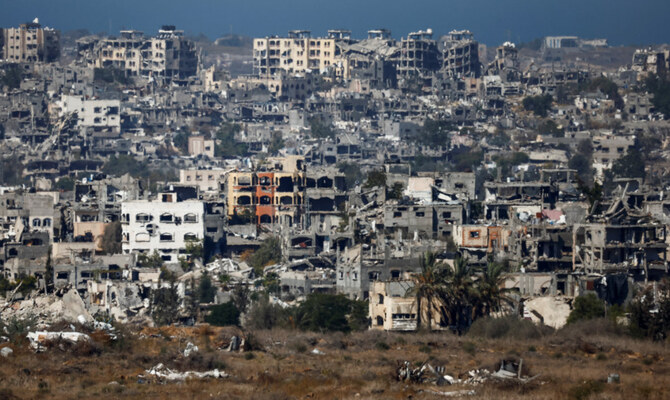
JERUSALEM: Israel said on Monday it had met most demands by the United States to improve humanitarian conditions in Gaza but was still discussing some items as a deadline looms to improve the situation or face potential restrictions on US military aid.
There are a number of things that remain under discussion and they touch on safety issues, an Israeli official told reporters. He said most issues had been addressed.
Among the US demands that Israel appears to have refused is allowing the entry of 50-100 commercial trucks a day.
The official said commercial activity had been halted because Hamas was controlling the merchants. Restrictions on the entry of closed containers would also not be lifted due to security risks, the official said.
Others, including the opening of a fifth crossing into Gaza, have been implemented.
The United States told its ally Israel in a letter on Oct. 13 that it must take steps to improve the aid situation within 30 days, with Tuesday as the final deadline.
Last week, the State Department said Israel had taken some measures to increase aid access to Gaza but had so far failed to significantly turn around the humanitarian situation.
Israeli Foreign Minister Gideon Saar said on Monday he had met the US ambassador and was confident that “we can reach an understanding with our American friends and that the issue will be solved.”
Last week, a committee of global food security experts warned of a strong likelihood that famine is imminent in certain areas of northern Gaza, a claim which Israel rejected outright.
The Israeli official said Israel had added entrances into Gaza, expanded the humanitarian zone, increased security for aid vehicles and managed joint task forces with the international community and many others as part of the process to improve the humanitarian situation.
Israel began a wide military offensive in northern Gaza early last month. Linda Thomas-Greenfield, the US envoy to the UN, said on Oct. 16 that Washington was watching to ensure Israel’s actions on the ground show it does not have a “policy of starvation” in the north.


![]()

Israel says it has met most US demands on Gaza aid as deadline looms
Short Url
https://arab.news/93ssf
Israel says it has met most US demands on Gaza aid as deadline looms
- The United States told its ally Israel in a letter on Oct. 13 that it must take steps to improve the aid situation within 30 days, with Tuesday as the final deadline


Latest updates


© 2026 SAUDI RESEARCH & PUBLISHING COMPANY, All Rights Reserved And subject to Terms of Use Agreement.