What We Are Reading Today: ‘Oxygen’ by Donald E. Canfield

Short Url
Updated 04 November 2024
Follow

What We Are Reading Today: ‘Oxygen’ by Donald E. Canfield

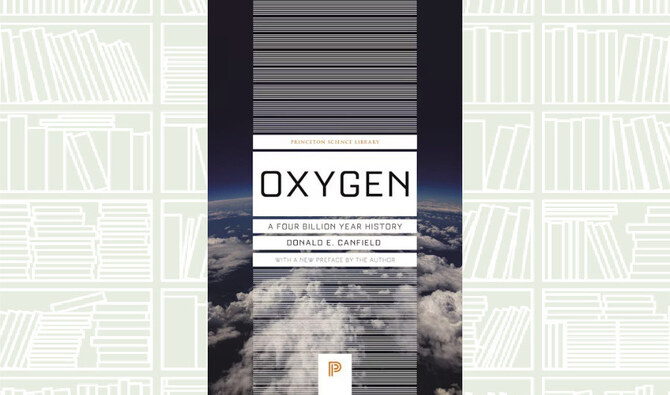
The air we breathe is 21 percent oxygen, an amount higher than on any other known world. While we may take our air for granted, Earth was not always an oxygenated planet. How did it come to be this way?

Donald Canfield covers this vast history, emphasizing its relationship to the evolution of life and the evolving chemistry of Earth.

He guides readers through the various lines of scientific evidence, considers some of the wrong turns and dead ends along the way, and highlights the scientists and researchers who have made key discoveries in the field.


What We Are Reading Today: ‘Rituals of War’

Photo/Supplied
Updated 29 December 2025
Follow

What We Are Reading Today: ‘Rituals of War’

  • Bahrani brings together and analyzes facets of war and sovereign power that fall under the categories of representation and display, the aesthetic, the ritualistic, and the supernatural

Author: Zainab Bahrani

“Rituals of War” is an investigation into the earliest historical records of violence and biopolitics. In Mesopotamia, ancient Iraq (ca. 3000–500 BC) rituals of war and images of violence constituted part of the magical technologies of warfare that formed the underlying irrational processes of war. In the book, three lines of inquiry are converged into one historical domain of violence, namely, war, the body, and representation.

Building on Foucault’s argument in “Discipline and Punish” that the art of punishing must rest on a whole technology of representation, Zainab Bahrani investigates the ancient Mesopotamian record to reveal how that culture relied on the portrayal of violence and control as part of the mechanics of warfare. Moreover she takes up the more recent arguments of Giorgio Agamben on sovereign power and biopolitic to focus on the relationship of power, the body and violence in Assyro-Babylonian texts and monuments of war.

Bahrani brings together and analyzes facets of war and sovereign power that fall under the categories of representation and display, the aesthetic, the ritualistic, and the supernatural.