


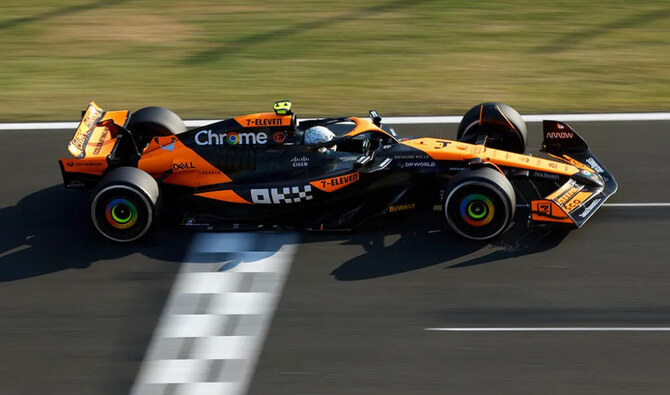

RIYADH: Artificial intelligence is transforming the automotive industry, from the advent of fully electric autonomous vehicles to radical advances in the world of motorsports, optimizing race performance and enhancing the fan experience.
Motorsports rely heavily on real-time data analysis, making AI indispensable in predicting tire wear, running simulations, and improving aerodynamics. For fans, AI offers new insights with predictive race analyzes and enhanced live experiences.
Formula 1 and Formula E are prime examples of how AI can optimize performance. Teams gather massive amounts of data during races, and AI analyzes these in real time, helping to adjust strategies and make key decisions.
Off the racetrack, this technology is also shaping the future of electric vehicles and autonomous driving, which will soon transform how the general public gets from A to B.
NetApp, a California-based leader in AI-driven data management, has partnered with brands such as Aston Martin and Porsche to help optimize motorsports performance through advanced AI tools.
“AI will play a pivotal role in developing next-generation vehicles and capabilities,” George Kurian, CEO of NetApp, told Arab News.
AI’s potential in Saudi Arabia is particularly significant. The Kingdom has hosted both Formula 1 and Formula E in recent years and is positioning itself as a key player in the AI revolution within motorsports.
Saudi Arabia hosts two major motorsport events that have become integral to its global sports calendar. The Formula 1 Saudi Arabian Grand Prix has been held annually since 2021 at the Jeddah Corniche Circuit.

Since 2018, the Kingdom has also hosted the Formula E Diriyah E-Prix, an electric car race that takes place in the historic city of Diriyah near Riyadh. The Jeddah E-Prix is scheduled to take place in February next year.
These events are considered crown jewels of the Kingdom’s burgeoning sports and entertainment industry.
As part of Saudi Arabia’s Vision 2030 social reform and economic diversification agenda, the Kingdom is keen to adopt cutting-edge technologies across various sectors, including the automotive industry.
“Unifying and securing data is crucial for supporting the ambitious goals of initiatives like Saudi Arabia’s Vision 2030,” Kurian said.
Opinion
This section contains relevant reference points, placed in (Opinion field)
NetApp’s AI technology enables the smooth flow of data between different cloud environments, facilitating everything from predictive maintenance to real-time data processing. In motorsports, this translates into the ability to simulate race conditions, predict failures, and enhance team decision-making.
By processing large volumes of data from electric and autonomous vehicles, companies can optimize everything from battery performance to driving efficiency.
“We see the increased adoption of electric vehicles and enhanced autonomous driving capabilities as major trends,” Kurian said.

These innovations are being integrated not only into elite motorsports but also into the consumer market, with automakers looking to optimize everything from energy efficiency to driverless capabilities.
Saudi Arabia is making significant strides in the electric vehicle and autonomous vehicle industries. In the EV sector, Saudi Arabia launched Ceer, its first homegrown EV brand, in partnership with Foxconn and with technical backing from BMW.
The Kingdom has also invested heavily in Lucid Motors, acquiring a majority stake in the American EV manufacturer.
However, the integration of AI into the automotive sector is not without its challenges. Managing the sheer volume of data produced by vehicles and ensuring data quality and security are major concerns for automakers.
DID YOU KNOW?
1. Saudi Vision 2030 promotes AI and clean technology, including advances in electric and autonomous vehicles.
2. AI helps race teams and automakers optimize energy efficiency and enhance autonomous vehicle capabilities.
3. Motorsports hosted by the Kingdom include the Formula 1 Saudi Arabian Grand Prix and Formula E Diriyah E-Prix.
Ensuring compliance with international data protection standards is also a critical focus for companies such as NetApp, which work to secure vehicle data against potential cyber threats.
“Data safety and security are critical as AI technologies become more integrated into vehicles,” Kurian said.
NetApp’s approach ensures that manufacturers can maintain compliance with international standards while safeguarding sensitive data, particularly as more autonomous driving solutions are developed.
As Saudi Arabia continues to host major motorsports events such as Formula 1 and Formula E, the Kingdom is positioning itself as a leader in the adoption of AI technologies in this field. With fan engagement increasingly driven by AI-powered insights, Saudi Arabia could lead the charge in offering cutting-edge spectator experiences.
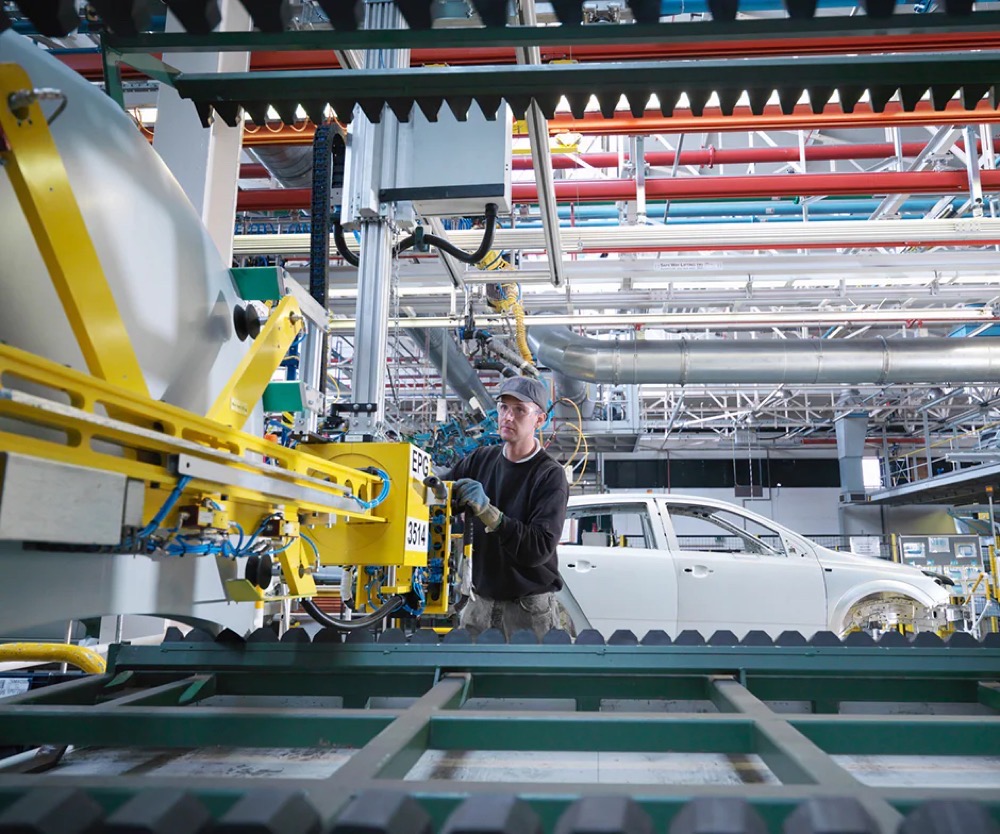
In a sport where milliseconds matter, the integration of AI allows teams to extract every possible advantage, whether it is through tire strategy or optimizing fuel efficiency. For fans, AI can predict race outcomes or enhance real-time viewing by offering deeper insights into team strategies and driver performance.
NetApp’s collaborations with motorsport brands underscore the broader trend of AI-driven innovation. “Our solutions enable manufacturers to create real-time data pipelines, facilitating the efficient processing and analysis of vehicle data,” Kurian said.
This seamless integration of AI into racing underscores the future of motorsports as a data-driven enterprise, where the ability to process vast amounts of information in real time can make or break a race.
AI’s influence on motorsports is only just beginning. With Saudi Arabia embracing this technology, the Kingdom is set to play a pivotal role in shaping the future of AI in the automotive world.
“AI will continue to drive the next wave of innovations in the automotive industry,” Kurian said.
As both Formula 1 and Formula E return to the region, Saudi Arabia’s commitment to innovation will likely accelerate the adoption of AI, enhancing not only the performance of the vehicles but also the experience for the millions of fans watching around the world.


