- Marks a significant contribution to the Kingdom’s goal to provide 40,000 families in need with new homes between 2021 and 2025
- Ministry of Municipalities and Housing added that it also provided financial support of SR110 million for 39,000 tenants
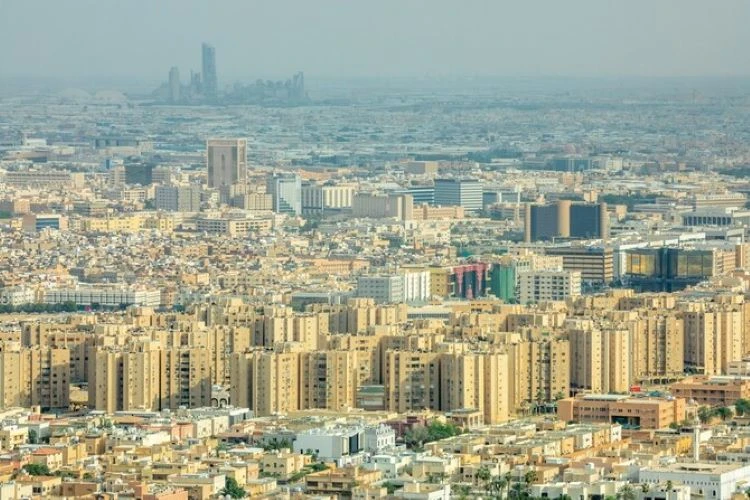
RIYADH: More than 12,000 housing units have been given to families in need in Saudi Arabia since the beginning of this year, authorities announced on Thursday.
This marks a significant contribution to the Kingdom’s goal to provide 40,000 families in need with new homes between 2021 and 2025, as part of its Vision 2030 Housing Program.
The Ministry of Municipalities and Housing added that it also provided financial support of SR110 million ($29.28 million) for 39,000 cases of tenants facing difficulties paying rent, according to the Saudi Press Agency.
In Tabuk, students from the city’s technical college carried out charitable electrical and plumbing maintenance work on the homes of needy families.
The work was done by trainees under the supervision of experienced trainers from the college.
Dean Majid Al-Anzi told the SPA that the initiative was part of the college’s mission to promote societal values and teach students the importance of supporting their local community.
Separately, the National Housing Co. announced on Thursday that it had opened registration for a new development in Jeddah — the Murjana project.
Furthermore, 182,000 people from across the country have volunteered their time to work for the ministry this year — improving urban landscapes by beautifying parks, maintaining public facilities, and monitoring housing units.
This year, 49 non-profit organizations were founded to support the development of the housing sector, the ministry added.
As part of the Vision 2030 aim to improve the quality of life in Saudi society, the national housing program is set to increase the rate of home ownership among nationals to 70 percent by the beginning of the next decade.
One aspect of the program was the introduction of the Ejar housing system in 2018 which created a national registry of landlords and tenants, strengthening the legal rights of both in case of rental disputes.
Also launched in 2018 was the Sakani program — providing a range of affordable financing options to Saudi families looking to purchase their first homes.
The surging population in Saudi cities is increasing demand for housing. From July 2023 to July 2024, the residential transactions soared by 51.6 percent with 18,500 sales valued at SR26.6 billion in Riyadh alone, according to a report from real estate services firm CBRE.
The volume of real estate transactions in Jeddah rose by 43.2 percent — or 9,392 transactions — in the same period. Meanwhile sales in Dammam increased by 22.4 percent, or 2,390 sales, worth SR2.4 billion.