KARACHI: A Pakistan-based global telehealth and online training technology provider has partnered with the Islamic Development Bank and Afghanistan Humanitarian Trust Fund to deliver critical support to Afghans in need of medical and livelihood assistance in their country, according to a statement on Wednesday.
Karachi-based Educast is a digital health and education platform that provides virtual training and telemedicine services. The Fund, established by the Islamic Development Bank in collaboration with the Organization of Islamic Cooperation (OIC), has sought its assistance to help Afghan nationals.
“The Islamic Development Bank and Afghanistan Humanitarian Trust Fund have joined forces to provide critical humanitarian aid to Afghanistan, and their telehealth and clinical support program is making a significant impact,” said a statement released by the Pakistani firm. “Through its partnership with Educast … they’re able to reach remote and underserved areas.”
“The program’s operational details include deploying smart hubs for enhanced education, constructing and operationalizing health facilities, and providing essential health care services to vulnerable communities,” the statement added.
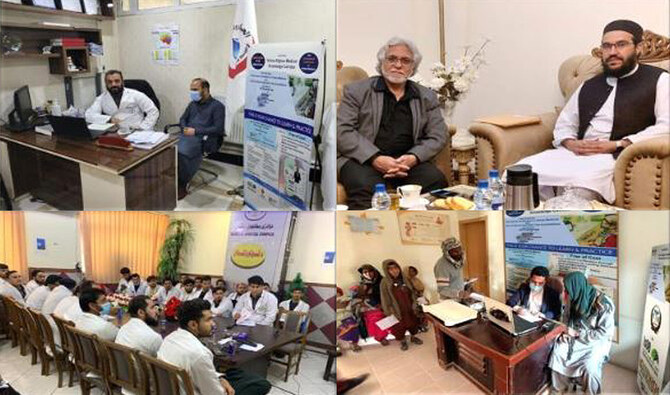
Educast said the key components of the programs include providing remote health services, training local health care professionals through online programs and setting up smart hubs to serve as educational facilities in 20 provinces of Afghanistan.
It also highlighted its aim to empower “thousands of Afghan female doctors,” medical students and health care workers in the field of digital health and telemedicine.
The statement informed the pilot phase of the project had already been carried out in six Afghan provinces, during which 1,000 consultations were provided, benefiting 5,000 individuals.
Educast also trained 1,500 local health care professionals, and work on setting up 20 medical education facilities is underway.
The statement further noted the partnership demonstrated the power of collaborative humanitarian efforts.
“The success of the pilot phase serves as a model for scalable, impactful interventions in conflict-affected regions,” it added.


![]()

Pakistan’s Educast partners with Islamic Development Bank to provide critical support to Afghans
Short Url
https://arab.news/6k9wv
Pakistan’s Educast partners with Islamic Development Bank to provide critical support to Afghans
- Project plans to empower ‘thousands of Afghan female doctors’ in the field of digital health and telemedicine
- Educast provided 1,000 consultations during the pilot phase in six Afghan provinces, benefitting 5,000 people
Latest updates


© 2026 SAUDI RESEARCH & PUBLISHING COMPANY, All Rights Reserved And subject to Terms of Use Agreement.