ISLAMABAD: The Cabinet Committee on Energy on Wednesday approved the formation of an independent entity to reform Pakistan’s energy market by enabling consumers to purchase power from multiple suppliers, moving away from the current government-controlled system, where it is the sole buyer of electricity.
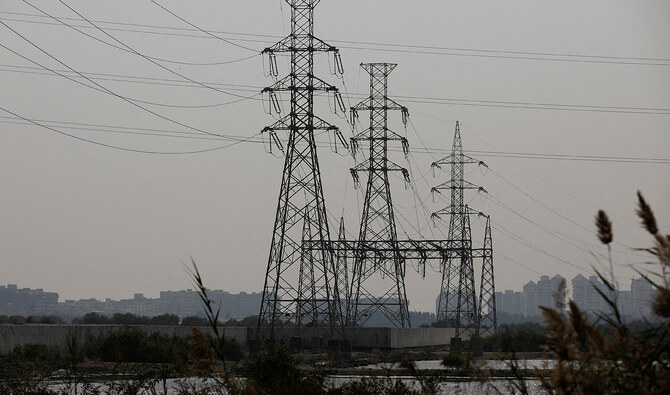
Pakistan’s energy sector has long struggled with financial strain due to circular debt, power theft and transmission losses, which have led to blackouts and high electricity costs.
The development of the independent market is viewed as a critical step toward addressing these issues by fostering competition, improving transparency and attracting foreign investment, ultimately easing the financial burden on the government and consumers alike.
The committee gave principal approval for the creation of the Independent System and Market Operator (ISMO) during a meeting chaired by Prime Minister Shehbaz Sharif, though the decision still requires endorsement by the federal cabinet for implementation.
“ISMO will gradually replace the government as the sole buyer of electricity and transition the energy market into a multi-player independent market,” the PM Office said in a statement issued after the meeting. “Consumers will be able to purchase electricity from suppliers other than just distribution companies under this system.”
“This initiative will help establish an efficient, transparent and competitive electricity market in Pakistan,” it added.
The creation of ISMO is also expected to reduce circular debt and stabilize electricity prices.
“The ISMO board will include experts from the energy sector to ensure smooth operations,” the statement informed.
Addressing the meeting, the prime minister emphasized the need to expedite efforts to reduce theft and losses in the electricity sector.
“We are taking priority-based measures to reform Pakistan’s energy sector,” Sharif added.


![]()

Pakistan approves new energy market system allowing consumers to choose electricity suppliers
Short Url
https://arab.news/22b5a
Pakistan approves new energy market system allowing consumers to choose electricity suppliers
- Cabinet Committee on Energy has approved an independent entity to transition to multi-player electricity market
- The initiative is expected to help address issues like circular debt, power theft and transmission losses in Pakistan
Latest updates


© 2026 SAUDI RESEARCH & PUBLISHING COMPANY, All Rights Reserved And subject to Terms of Use Agreement.