- Visit to take place ahead of SCO’s Council of Heads of Government summit in Islamabad on Oct. 15-16
- Malaysian Prime Minister Ibrahim is also scheduled to visit Pakistan on Wednesday with high-level delegation
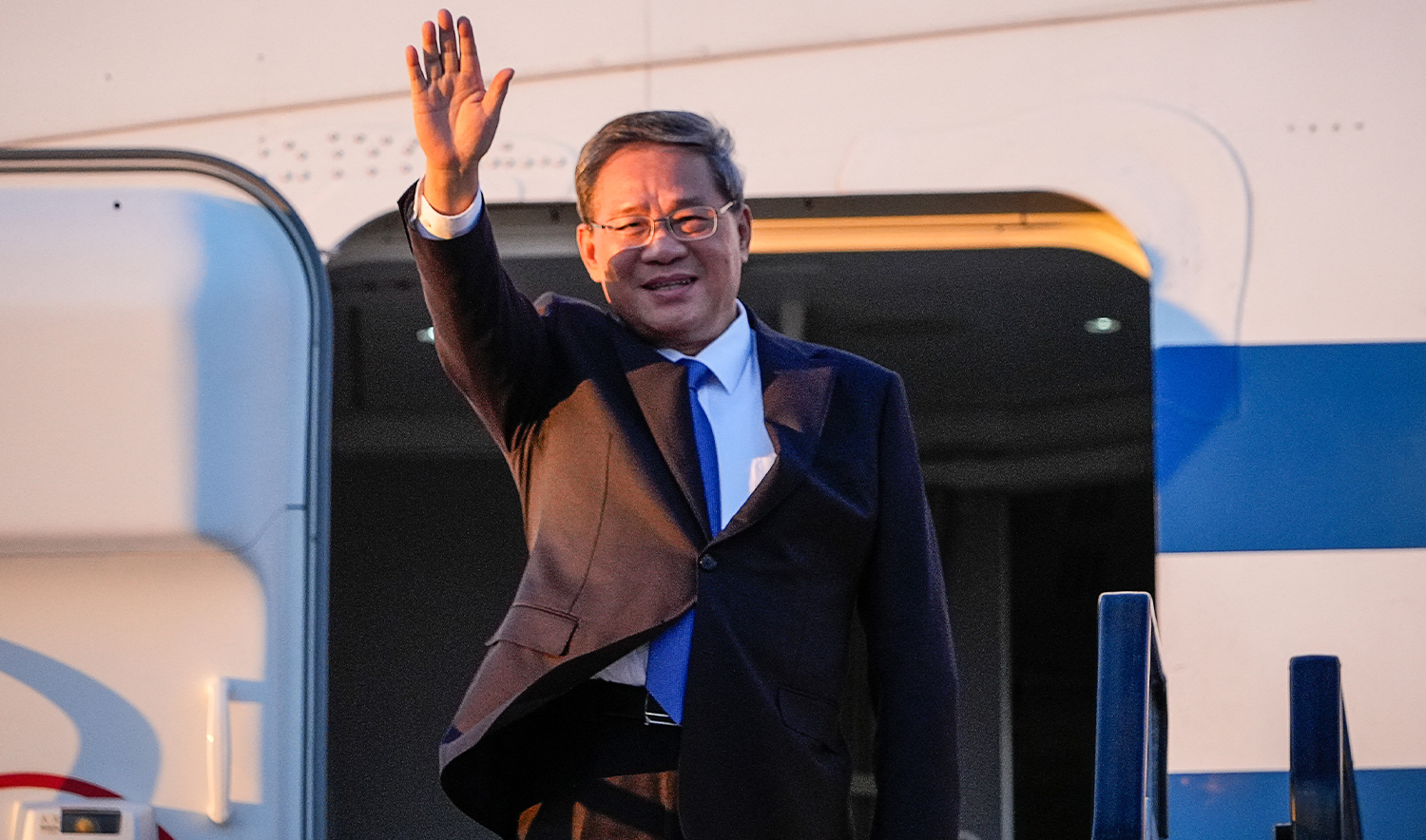
ISLAMABAD: China’s premier Li Qiang will undertake a bilateral visit to Pakistan on Oct. 14, Deputy Prime Minister Ishaq Dar confirmed this week, saying that a series of upcoming international visits hosted by the South Asian country will prove Islamabad is not isolated at the global stage.
China is a major ally and investor in Pakistan that has pledged over $65 billion in investment in road, infrastructure and development projects under the China-Pakistan Economic Corridor (CPEC) project. The CPEC is a part of the Belt and Road Initiative, a massive China-led infrastructure project that aims to stretch around the globe.
The Chinese prime minister’s visit comes ahead of the Shanghai Cooperation Organization Council of Heads of Government Meeting in Islamabad on Oct.15-16. Founded by China and Russia in 2001, the SCO is a prominent Eurasian entity focused on political, economic, international security and defense matters.
“In the next two weeks, three important international visits are taking place in Pakistan,” Dar told ARY News channel in an interview on Monday. “Malaysia’s prime minister is coming to Pakistan on Oct. 2 with his delegation after which China’s prime minister will arrive in Pakistan on Oct. 14, which is a bilateral visit.”
Chinese investment and financial support since 2013 have been key for Pakistan’s struggling economy, including the rolling over of loans so that Islamabad is able to meet external financing needs at a time its foreign reserves are low.
Though time-tested allies, relations between the two neighbors have undergone a slight strain over the past couple of years due to recent security challenges. Separatist and religiously motivated militants have attacked Chinese projects in Pakistan and killed Chinese personnel. China has repeatedly asked Pakistan to guarantee the security of its citizens in the country. Islamabad has in turn sought to ease Beijing’s fears, vowing to provide fool-proof security to its citizens living and working in the country.
Separately, Qiang’s visit to Pakistan will be preceded by Malaysian Prime Minister Dato’ Seri Anwar Ibrahim’s visit to Islamabad. The Malaysian premier will arrive in the South Asian country on Wednesday for a three-day visit to strengthen ties in trade, connectivity, energy and other sectors between the two nations.
The recent string of international visits to Pakistan highlights the government’s attempts to attract foreign investment in key sectors of the economy. Pakistan’s Prime Minister Shehbaz Sharif has repeatedly assured bilateral and regional partners that Islamabad prefers seeking mutually beneficial partnerships rather than loans.
Crisis-wracked Pakistan sees international investments as key to avert a prolonged macroeconomic crisis that has weakened the country’s national currency, drained its resources and lowered its foreign exchange reserves to alarming levels.