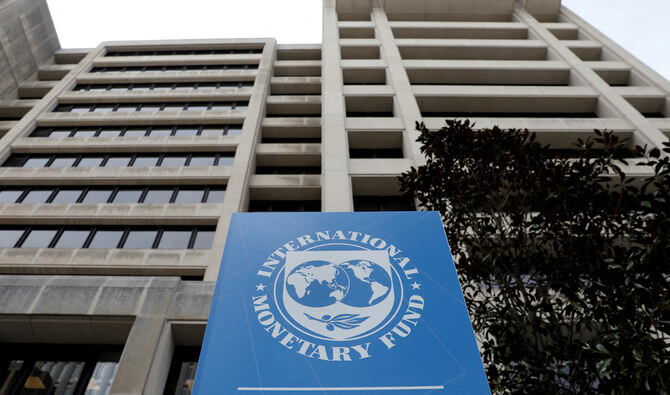
ISLAMABAD: The International Monetary Fund (IMF) reiterated its appreciation for Pakistan’s policies that restored economic stability over the past year in its latest statement on Friday, while emphasizing the need to increase revenue by broadening the tax net.
The IMF approved a 37-month, $7 billion loan program for Pakistan this week, recognizing the government’s commitment to implementing the stringent economic reforms it had recommended.
The government has already announced plans to improve its tax-to-GDP ratio and is reforming the revenue generation system by incorporating more integrated, automated technology to enhance efficiency and compliance.
“The implementation of sound policies over the past year has been critical to restore economic stability, reduce near-term risks and rebuild confidence,” IMF Deputy Managing Director Kenji Okamura said while highlighting continued structural challenges that require government’s attention.
He emphasized continued fiscal consolidation in the ongoing financial year and beyond through enhanced revenue mobilization.
“Increasing revenue mobilization by broadening the tax base, removing special sectoral regimes, and placing a fairer burden on previously undertaxed sectors (including industrialists, developers, and large-scale agriculture), will enhance fairness and efficiency and create needed space for essential investments in human capital, infrastructure, and social spending,” he added.
The IMF statement also highlighted “insufficient” spending on health and education, saying it had made it difficult to address “persistent poverty” in the country.
Federal Minister for Finance and Revenue Muhammad Aurangzeb said this week the government wanted to eliminate the “non-filer” category by taking punitive actions against those who previously paid nominal amounts on various transactions to avoid filing tax returns.
He pointed out that measures were being taken to improve tax compliance and enforcement, which had previously remained weak.
The minister also said the government aimed to widen the tax net by incorporating the agriculture, retail and wholesale sectors, saying its “hand has been forced.”


![]()

IMF emphasizes broadening tax base while praising Pakistan’s commitment to economic reforms
Short Url
https://arab.news/mqwkk
IMF emphasizes broadening tax base while praising Pakistan’s commitment to economic reforms
- A top lending agency official asks government to place ‘fairer burden on previously undertaxed sectors’
- IMF highlighted ‘insufficient’ health and education spending, says it makes it difficult to address poverty
Latest updates


© 2026 SAUDI RESEARCH & PUBLISHING COMPANY, All Rights Reserved And subject to Terms of Use Agreement.