GENEVA: The United Nations voiced alarm Monday at the escalating violence between Israel and Hezbollah in Lebanon, warning that actions and rhetoric was catapulting the Mideast conflict “to another level.”
“We are extremely concerned, deeply worried about the escalation in Lebanon,” Ravina Shamdasani, spokeswoman for the UN rights office, told AFP.
“The attacks that we saw on the communication devices, the pagers, followed by rocket attacks and rocket fire being exchanged on both sides ... marks a real escalation,” she said.
“What we’ve been warning about all along, the regional spillover of the conflict, it appears that both the actions and the rhetoric of the parties to the conflict is taking the conflict to another level.”
After nearly a year of tit-for-tat cross-border fire between Hezbollah and Israeli forces, the strikes since the weekend are the most intense since the outbreak of war between Israel and Palestinian Hamas militants in the Gaza Strip last October 7.
Lebanon’s health ministry said Israeli strikes on the south killed 100 people and wounded more than 400 others on Monday, while Lebanese official media said people were receiving Israeli phone warnings telling them to move away from Hezbollah targets.
Israel meanwhile said more than 300 Hezbollah sites had been targeted on Monday in dozens of strikes.
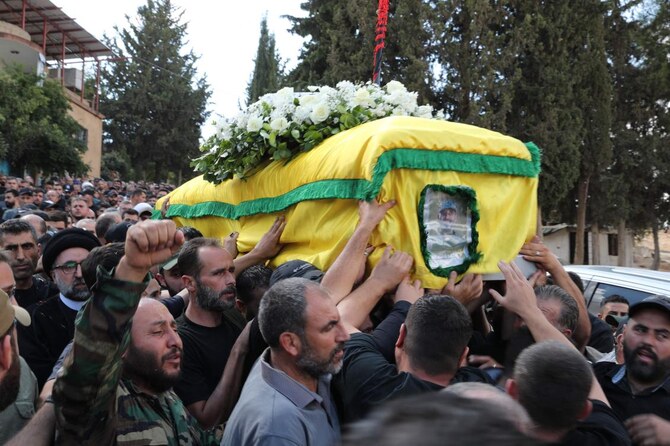
That came after at least 39 people were killed and nearly 3,000 wounded last week when hand-held communications devices used by Hezbollah operatives detonated across Lebanon. Hezbollah has blamed Israel, which has not commented.
On Friday the UN’s High Commissioner for Human Rights, Volker Turk, told the Security Council the attack on Hezbollah communications devices violated international law and could constitute a war crime.
Without attributing the attack on the communications devices, Shamdasani stressed that “it is a war crime to commit violence that is intended to spread terror among civilians.”
“The simultaneous targeting of thousands of individuals, whether they are civilians or members of armed groups, without knowledge of where these people will be ... this is not acceptable under international law.”
Shamdasani highlighted the calls from across the international community “pleading for a deescalation.”
“But instead of a deescalation, what we have seen ... is further rhetoric with further plans of an escalation,” she said. “This needs to stop.”


![]()

UN ‘extremely concerned’ as Mideast conflict moves to new level
Short Url
https://arab.news/rkzct
UN ‘extremely concerned’ as Mideast conflict moves to new level


Latest updates


Recommended


© 2026 SAUDI RESEARCH & PUBLISHING COMPANY, All Rights Reserved And subject to Terms of Use Agreement.