


RIYADH: Saudi Arabia is gearing up to elevate its global profile with the FIFA World Cup in 2034. This landmark event will transform the Kingdom’s central location into a vibrant travel nexus while celebrating its deep-rooted football legacy.
Unveiled in Paris, Saudi Arabia’s bid, dubbed “Growing Together,” has garnered enthusiastic support from Crown Prince Mohammed bin Salman. This visionary project aims to showcase the Kingdom’s progress by leveraging its dynamic football scene and cutting-edge infrastructure to captivate a global audience.
Central to Saudi Arabia’s World Cup strategy is a major upgrade of its transport infrastructure. Riyadh Air, a new contender in the aviation arena, is spearheading efforts to boost connectivity. In an exclusive interview, a spokesperson from Riyadh Air shared insights on the airline’s preparations for the anticipated wave of World Cup visitors.
“Saudi Arabia is demonstrating how the power of sport brings people closer together. For many years, the Middle East has been developing as a global aviation hub, linking north to south and east to west, ideally situated between Europe, Africa, and Asia,” said Osamah Alnuaiser, senior vice president of Marketing and Corporate Communications at Riyadh Air, to Arab News.
He added: “With over 80 percent of the world’s population within an eight-hour flight of Saudi Arabia, it is one of the most accessible locations for the World Cup.”

Riyadh Air’s launch will significantly enhance connectivity for the capital, Riyadh, fostering growth in both business and sports. (Supplied)
Alnuaiser emphasized that Riyadh Air’s launch will significantly enhance connectivity for the capital, Riyadh, fostering growth in both business and sports. “When the FIFA World Cup 2034 takes place, Riyadh will be one of the best-connected G20 capital cities in the world. The country’s central location and expanding sector will create the perfect venue for the World Cup,” he said.
On the topic of connectivity, Alnuaiser elaborated on Riyadh Air’s vision for the World Cup’s legacy and its role in enhancing the Kingdom’s global travel status. “With the Kingdom set to welcome the world, the demand for seamless connectivity within and beyond its borders is rising. Riyadh Air is poised to meet this need in anticipation of the World Cup,” he said.
He added: “There will be a very positive legacy from the World Cup as it will introduce many more people to Saudi culture, history, and heritage, as well as showcase the Kingdom’s growth in business and technology.”
“Saudi Arabia has always been at the forefront of sports developments in the region, and its potential hosting of the 2034 FIFA World Cup clearly reflects its ambitious goals,” remarked Mohammed Makni, a university professor at Imam Muhammad ibn Saud University, to Arab News.

Riyadh Air’s launch will significantly enhance connectivity for the capital, Riyadh, fostering growth in both business and sports. (Supplied)
He continued: “With Vision 2030, Saudi Arabia is entering a new phase of development, and hosting the 2034 World Cup represents a significant step toward achieving this vision.”
“Regarding transportation, the Kingdom’s strategic location makes it an ideal travel hub for fans. This move is part of a broader strategy to position Saudi Arabia as a global hub for commerce and tourism, supporting the objectives of Vision 2030 and enhancing its appeal as an international destination,” added the academic.
In May, Abdulaziz Al-Dahmash, vice president of the General Authority of Civil Aviation for Quality and Traveler Experience, told Arab News at the Future Aviation Forum that the sector has set “very ambitious targets.” These include tripling passenger numbers from 2019, handling 4.5 million tonnes of cargo, and establishing over 250 direct routes from the Kingdom’s airports.
“Those key targets require enablers, and one of the essential pillars is our passenger experience. We always say that the passenger comes first, so from that perspective, we started various programs from a regulatory standpoint,” Al-Dahmash said.
He added: “We initiated the Total Quality Evaluation program. This program focuses on the passenger experience across all touchpoints at the airport, from entrance to boarding.”
Infrastructure upgrades
Saudi Arabia’s transport infrastructure is undergoing a major overhaul. Significant upgrades to airports, including the expansion of King Abdulaziz International Airport, are set to handle increased passenger traffic. New facilities and enhancements to existing ones will ensure top-tier amenities for fans.
“To manage the surge in passengers expected during the World Cup in 2034, public transport providers must adopt a proactive and multi-faceted strategy,” Ashley Koussa, partner of Transport and Logistics at PwC, told Arab News.
He added: “The influx of visitors will create high demand for easy access and transport to various locations. Key to success will be increasing service frequency, capacity, deploying dedicated routes, and utilizing advanced technologies to enhance operational efficiency.”
Koussa further explained that managing large crowds and peak times effectively will require improved access systems and data analytics for better predictions and management. Close collaboration with event organizers and other key stakeholders is crucial for seamlessly integrating transportation services with overall event logistics, ensuring a smooth experience for attendees.
“Other key stakeholders will play a vital role in creating a seamless integration of transport services with the broader event logistics,” Koussa continued.
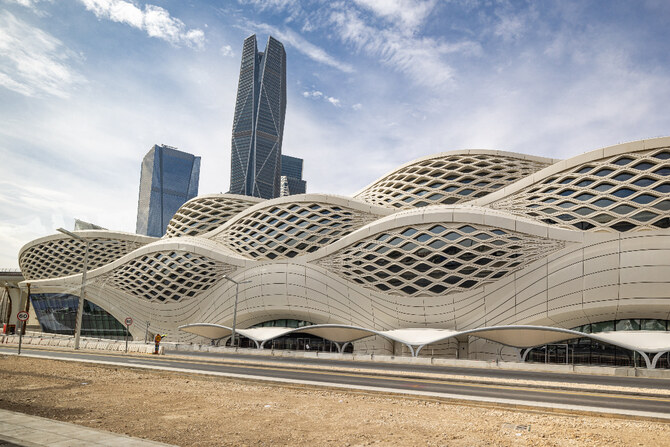
Public transport services are also being upgraded. The Riyadh Metro and regional rail services are expanding to connect key World Cup venues, facilitating smooth and efficient travel for visitors. These enhancements aim not only to handle the World Cup but also to leave a lasting legacy that will benefit the Kingdom long after the tournament concludes.
Saudi Arabia witnessed a 79 percent surge in the value of construction contracts awarded during the first quarter of 2024, reaching SR118.8 billion ($31.65 billion), according to the latest US-Saudi Business Council report. This is the second-highest figure on record, following SR147.1 billion awarded in the third quarter of 2015. Compared to the fourth quarter of 2023, contract values jumped by 35 percent.
“Saudi Arabia’s construction sector is experiencing exponential growth, marked by significant advancements in social and physical infrastructure, improved quality of life, and substantial foreign direct investments,” said Albara’a Al-Wazir, director of Economic Research at USSBC.
A unified vision
Football’s legacy in Saudi Arabia spans over a century. The first football clubs emerged in the early 1900s, laying the foundation for a vibrant sporting tradition. The Kingdom’s formal entry into football competitions began in the 1950s, marking the start of an era characterized by burgeoning local tournaments and the eventual establishment of the Saudi Pro League in the 1970s. This period not only saw football’s growth but also mirrored the nation’s development alongside its sport.
Saudi Sports Minister Prince Abdulaziz bin Turki, commenting on the official bid book’s publication, said, “These plans will combine our rich football heritage with our deep passion for the game and will ensure Saudi Arabia’s success as the first nation to host a 48-team tournament in one country.”
“The government is strategically aligning transport infrastructure improvements with the broader objectives of Vision 2030. This has included implementing a comprehensive approach that integrates both planning and execution,” Koussa noted.
He further elaborated on how the government is synchronizing transport infrastructure improvements with Vision 2030’s broader goals and the economic benefits to the transport sector.
“The transport infrastructure plays a crucial role in this ambition, with the government coordinating improvements through several key initiatives, including integrated urban planning, public-private partnerships, and investments, as well as focusing on sustainability and innovation,” Koussa said.
Integrated urban planning involves aligning transport infrastructure development with other aspects of urban growth, such as economic zones, smart city projects, and sustainable development. Koussa explained that this approach ensures transportation networks complement and support new business districts and residential areas, contributing to the city’s overall economic and social development.
Regarding public-private partnerships and investments, Koussa elaborated that the Kingdom is leveraging collaborations between government entities and private companies to accelerate infrastructure development, particularly for major transportation changes. By combining resources and expertise from both sectors, they aim to enhance and expedite transportation system improvements.
He also noted that the government is incorporating cutting-edge technologies into transportation projects, investing in eco-friendly solutions and smart systems. This includes developing electric vehicle charging stations and upgrading public transport to reduce carbon emissions and enhance urban mobility.
These improvements aim to boost regional connectivity, shorten travel times, and facilitate the movement of goods and people. Additionally, enhanced infrastructure is expected to promote tourism, increase global competitiveness, attract foreign investment, and support business expansion, all contributing to the Kingdom’s long-term economic growth.


