

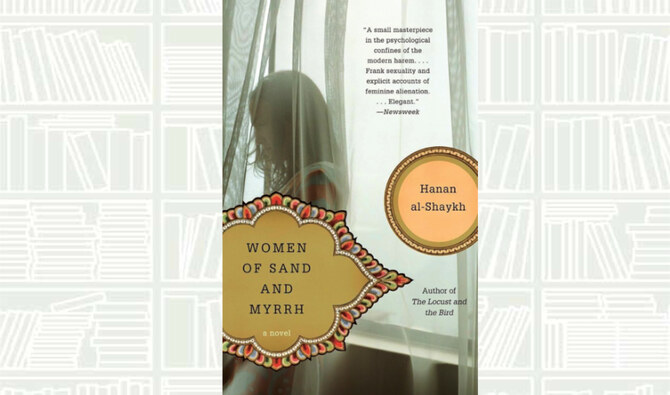

Author: Hanan Al-Shaykh
Hanan Al-Shaykh’s 1989 novel “Women of Sand and Myrrh” — translated into English by Catherine Cobham in 1992 — is a poignant exploration of the lives of Arab women, interweaving their struggles with identity, tradition, and desire.
The novel is set in an unnamed Gulf state, where the lives of its four female protagonists — a teacher, a wealthy woman, a rebellious young girl, and a mother — collide in unexpected ways. Al-Shaykh crafts a rich tapestry that reveals the complexities of womanhood in a world often defined by patriarchal constraints.
Al-Shaykh’s prose is both lyrical and incisive, capturing the nuances of her characters’ inner lives. Each woman’s story is a thread in the intricate fabric of their shared experiences, reflecting broader societal issues such as gender roles, sexual freedom, and the quest for autonomy.
What I found particularly compelling was Al-Shaykh’s ability to evoke empathy for her characters. For instance, her portrayal of Amani’s turmoil is raw and honest, allowing readers to connect deeply with her journey.
The narrative is peppered with moments of humor and warmth, which serve to balance the weight of the characters’ challenges.
This blend of light and dark enhances the reading experience, making the women’s resilience all the more impactful. Al-Shaykh doesn’t shy away from depicting the harsh realities these women face, yet she also celebrates their strength and solidarity.
Moreover, the novel invites readers to reflect on the universal themes of love, betrayal, and the quest for self-identity. It’s a reminder that while the cultural backdrop may differ, the emotional landscapes are often strikingly similar across borders.
Al-Shaykh’s characters are not just products of their environment but individuals with dreams, fears, and aspirations.
“Women of Sand and Myrrh” is a beautifully crafted narrative that transcends cultural barriers.
This book is not just a story; it’s an invitation to engage with the voices of women who have often been silenced.
It left me with a profound appreciation for the resilience of women everywhere, and is a must-read for anyone interested in literature that challenges and inspires.


