


LONDON: News platform Semafor launched its Gulf edition on Monday with former Dow Jones reporter Mohammed Sergie as editor, supported by a roster of local and international journalists, editors and analysts.
Joining Sergie at the platform is former Beirut-based Washington Post Middle East correspondent Sarah Dadoush, and Kelsey Warner, the former editor of UAE-based media startup The Circuit.
The new platform, which includes a thrice-weekly newsletter, will examine how the region’s financial, business, and geopolitical direction shape the world. The coverage will include culture, investment, infrastructure, climate and technology, as well as the dramatic transformations of the Gulf states.
Semafor Gulf marks the firm’s third edition, which joins its US and sub-Saharan Africa newsletters as it expands across the globe.
Contributors to the latest Semafor edition include prominent voices from Riyadh, Abu Dhabi, Dubai, and around the region. They will work in concert with Semafor’s topflight business reporters in New York, its technology journalists in San Francisco, and its Washington D.C. bureau.
The experienced lineup includes veteran journalist, editor and former Bloomberg energy correspondent Wael Mahdi, and award-winning international journalist and host at Al Arabiya Hadley Gamble.
Other contributors will include Omar Al-Ubaydli, an affiliated associate professor of economics at George Mason University and senior research fellow at the Mercatus Center in Washington, D.C., Arab News editor-in-chief Faisal Abbas as well as Camilla Wright, an award-winning journalist and media commentator.
“The Gulf is this incredibly important site for politics, and these things (politics and other topics like economy and business) are intertwined,” Ben Smith, co-founder and editor-in-chief of Semafor, told Arab News in a previous interview.
While global legacy news media brands usually report for their home country, Semafor Gulf aims to “flip that on its head and actually report for the region and the world interested in the region,” Justin Smith, co-founder and CEO of Semafor (no relation to Ben), told Arab News in a previous interview.
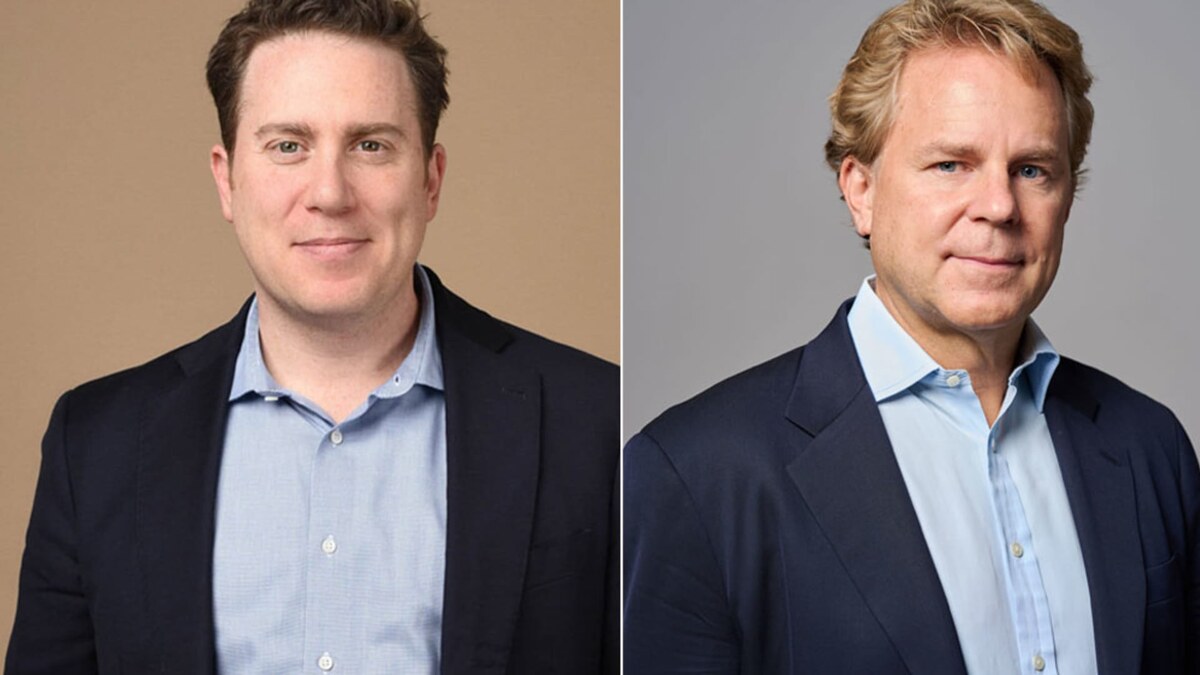
Semafor co-founders Ben Smith and Justin Smith.
“My understanding is that some of the big global English-language news brands have not necessarily invested as aggressively into the Gulf region, commensurate with the growth of the Gulf story,” he said.
Representative pre-launch coverage includes scoops on Nvidia’s plans to sell chips to Saudi Arabia and tensions in the office of a major global consulting firm in the UAE.
In addition, the company has established digital and event collaborations with some of the region’s top brands across a diverse range of sectors.
Joining Semafor Gulf as its inaugural launch partners are First Abu Dhabi Bank, G42, Mubadala, and Invest Qatar.
This expansion builds on the company’s success since its 2022 launch, having built a global audience of over 700,000 subscriptions across nine premium newsletters.
The firm was named as one of Fast Company’s Most Innovative Companies of 2024 for “rewriting the story on international reporting.”


