

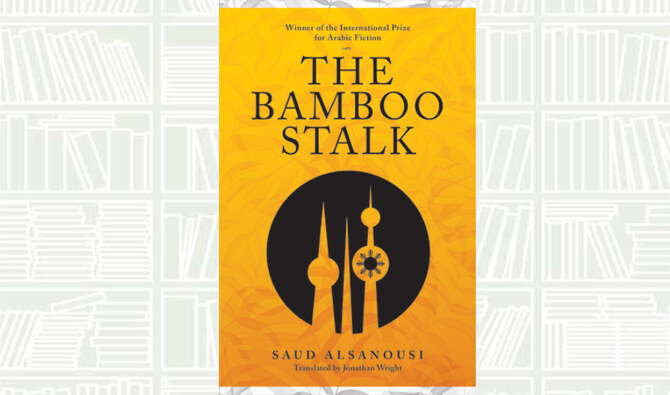

Author: Saud Alsanousi
“The Bamboo Stalk” by Saud Alsanousi, translated by Jonathan Wright and published in 2012, is a profound exploration of identity, belonging, and the complexities of cultural heritage.
Through the life of its protagonist, a young man named Kadhim, the winner of the 2013 International Prize for Arabic Fiction intricately weaves themes of race, nationality, and the search for self in a world that often feels divided.
Kadhim, born to a Filipino mother and a Kuwaiti father, embodies the challenges of living between two cultures. His journey is marked by the struggle for acceptance in a society that often views him as an outsider.
Alsanousi captures Kadhim’s internal conflict beautifully, presenting a character who is torn between his Filipino roots and the expectations of Kuwaiti society. This duality resonates deeply, especially for readers who have experienced the complexities of multicultural backgrounds.
The narrative is rich with vivid descriptions that transport the reader to the streets of Kuwait and the Philippines. Alsanousi’s prose is both lyrical and poignant, allowing readers to feel the weight of Kadhim’s experiences.
The author skillfully uses the metaphor of bamboo — flexible yet strong — to represent resilience in the face of adversity. This symbolism runs throughout the book, reminding us of the importance of adaptability in our quest for identity.
One of the most compelling aspects of “The Bamboo Stalk” is its exploration of Kadhim’s relationship with his mother. Her unwavering support contrasts sharply with the societal rejection they face. This dynamic adds depth to the narrative, highlighting the unconditional love that can exist even in the most challenging circumstances.
Alsanousi also addresses broader social issues, such as discrimination and the immigrant experience. Through Kadhim’s eyes, we witness the harsh realities faced by those who do not fit neatly into societal categories.
The author’s critique of these social norms is both subtle and powerful, encouraging readers to reflect on their perceptions of identity and belonging.
The novel prompts important questions: What does it mean to belong? How do we reconcile our diverse backgrounds in a world that often demands conformity?
Alsanousi’s “The Bamboo Stalk” is a beautifully crafted narrative that invites readers to reflect on their own journeys while fostering empathy for those navigating similar paths.


