

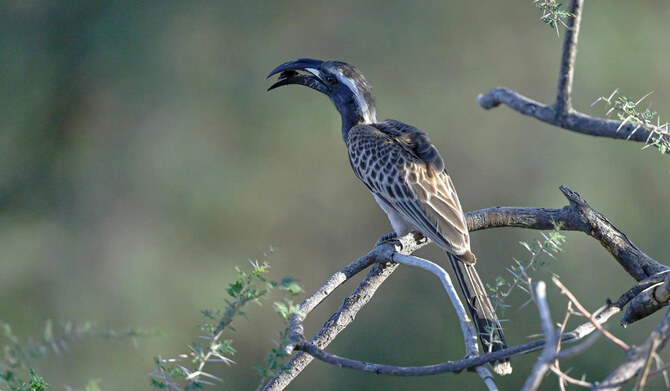
Vibrant feathers in Asir’s cap

1 / 13
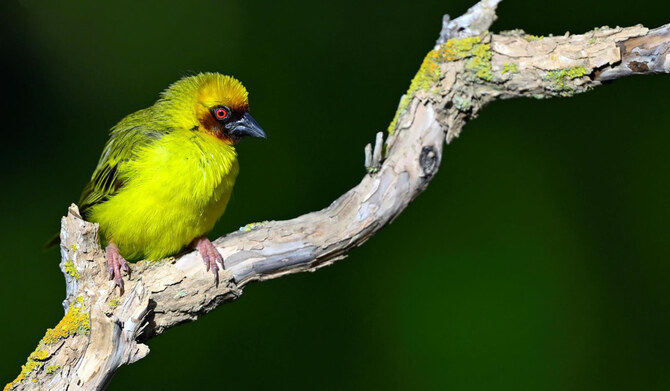
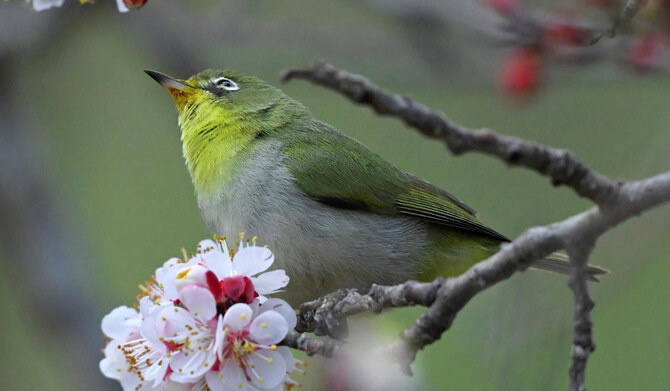
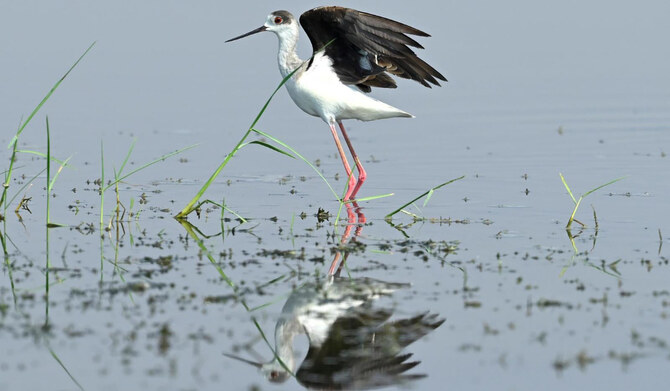
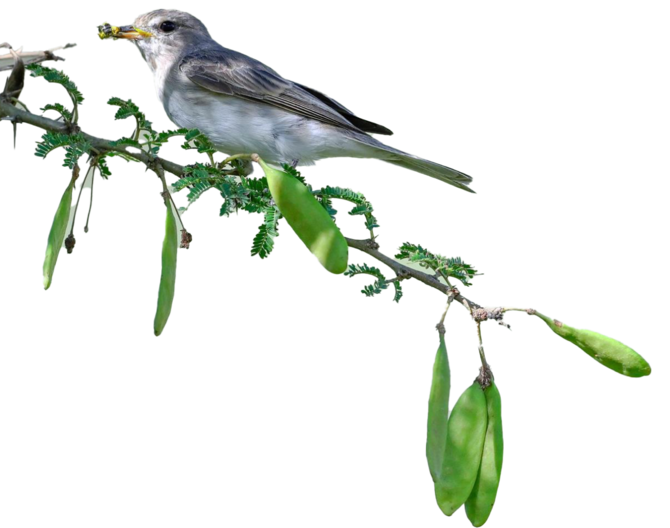
Asir region’s diverse habitats, from highlands to plains, provide ideal conditions for a variety of bird species to thrive. (SPA)
2 / 13
The acacia, juniper and natural flowers provide suitable habitats for different bird species. (SPA)
3 / 13
The acacia, juniper and natural flowers provide suitable habitats for different bird species. (SPA)
4 / 13
Asir region’s diverse habitats, from highlands to plains, provide ideal conditions for a variety of bird species to thrive. (SPA)
5 / 13
The acacia, juniper and natural flowers provide suitable habitats for different bird species. (SPA)
6 / 13
The acacia, juniper and natural flowers provide suitable habitats for different bird species. (SPA)
7 / 13
The acacia, juniper and natural flowers provide suitable habitats for different bird species. (SPA)
8 / 13
The acacia, juniper and natural flowers provide suitable habitats for different bird species. (SPA)
9 / 13
The acacia, juniper and natural flowers provide suitable habitats for different bird species. (SPA)
10 / 13
The acacia, juniper and natural flowers provide suitable habitats for different bird species. (SPA)
11 / 13
The acacia, juniper and natural flowers provide suitable habitats for different bird species. (SPA)
12 / 13
The acacia, juniper and natural flowers provide suitable habitats for different bird species. (SPA)
13 / 13
The acacia, juniper and natural flowers provide suitable habitats for different bird species. (SPA)
Short Url
Updated 14 September 2024
Follow

Vibrant feathers in Asir’s cap

  • Asir is home to a wide range of avian life, including endemic species such as the Asir magpie, a rare bird found only in this region of Saudi Arabia

RIYADH: Asir, a region renowned for its natural beauty, is also a sanctuary for a range of migratory birds.

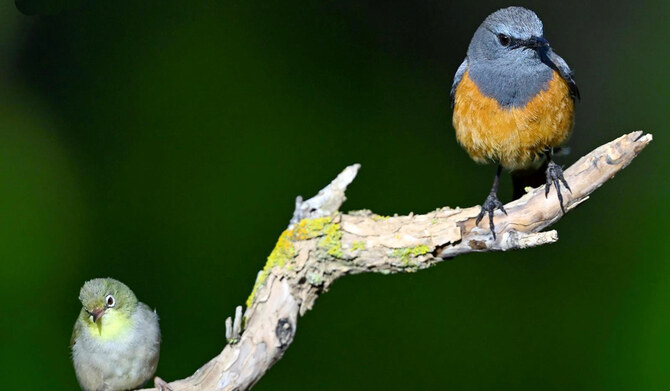
These feathered visitors, some of which have inhabited the region for millennia, contribute significantly to the area’s rich biodiversity. The region’s diverse habitats, from highlands to plains, provide ideal conditions for a variety of bird species to thrive, the Saudi Press Agency reports.


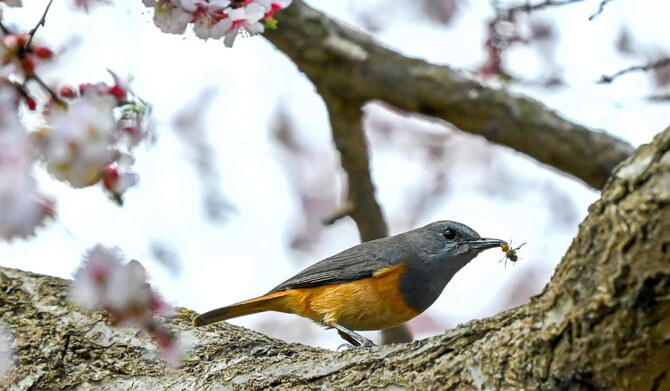
The acacia, juniper and natural flowers provide suitable habitats for different bird species. (SPA)

In the spring, the forests of Asir come alive with the vibrant colors and songs of these avian guests. The region’s blend of climate and topography attracts birds from around the world, including species from Africa, Europe and Asia.

HIGHLIGHTS

• Asir’s blend of climate and topography attracts birds from around the world, including species from Africa, Europe and Asia.

• The endemic species such as the Asir magpie is a rare bird found only in this region of the Kingdom.

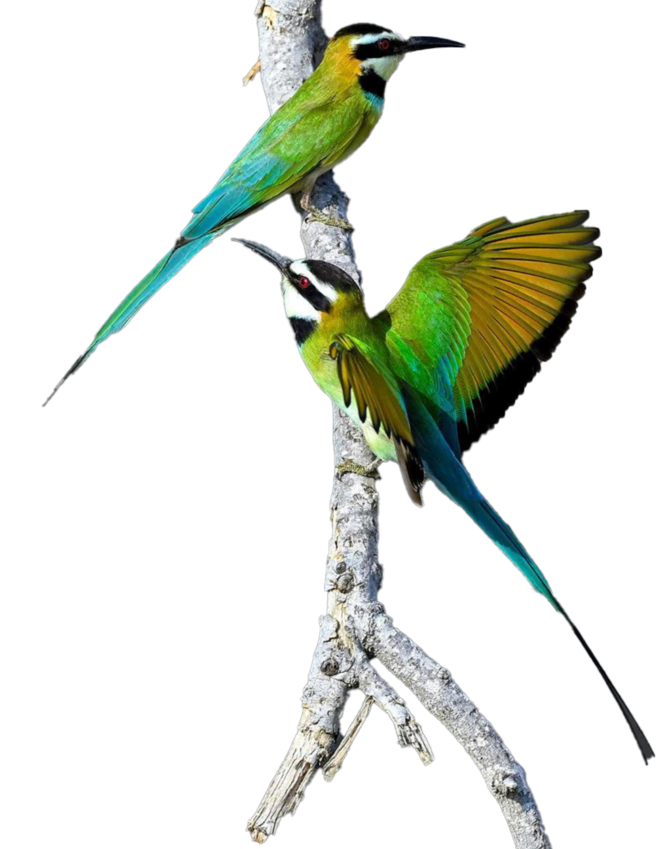
• European species such as the European bee-eater also visit the region during the spring and summer.

The SPA team, accompanied by bird enthusiast Ahmed Niazi, recently embarked on a journey to witness the natural spectacle of gathered birds.


Asir region’s diverse habitats, from highlands to plains, provide ideal conditions for a variety of bird species to thrive. (SPA)

According to Niazi in an interview with SPA, Asir appeals to migratory birds through its diverse tree species and varying temperatures. The acacia, juniper and natural flowers provide suitable habitats for different bird species.

Asir is home to a wide range of avian life, including endemic species such as the Asir magpie, a rare bird found only in this region of the Kingdom.


The acacia, juniper and natural flowers provide suitable habitats for different bird species. (SPA)

The fall and spring seasons are peak migration periods in Saudi Arabia, as birds traverse the region on their journeys between the northern and southern hemispheres.

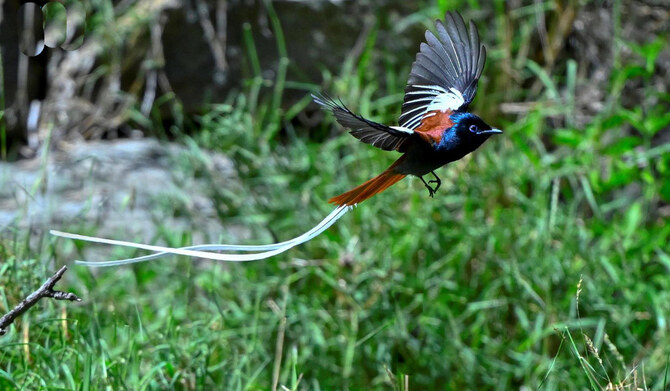
Migratory birds from Africa, such as the African paradise flycatcher, pied cuckoo and gray-headed kingfisher, find suitable breeding grounds in Asir’s humid southwestern highlands. European species such as the European bee-eater also visit the region during the spring and summer.

The book, “Birds of Saudi Arabia,” published by Aramco in 2020, highlights the Kingdom’s rich avian diversity; 499 species are recorded, including 401 resident or migratory birds and 11 rare species.


Japanese researchers hope to restore coral from Saudi-made structures

Updated 05 January 2026
Follow

Japanese researchers hope to restore coral from Saudi-made structures

  • Coral skeletons made for Saudi Pavilion at Japan expo last year
  • Results of Japanese study to be revealed at Riyadh Expo 2030

TOKYO: Japanese universities are seeking to restore coral reefs and marine ecosystems after receiving artificial structures that Saudi Arabia made and showcased at last year’s Osaka-Kansai Expo.

The coral skeletons were donated to the University of the Ryukyus in Okinawa and Kansai University in Osaka Prefecture, Kyodo News reported at the weekend.

The structures are made from calcium carbonate, a material on which corals are believed to grow more easily compared to artificial alternatives such as concrete or metal.

The skeletal structures were created using 3-D printers, with one piece produced a day during the expo, and displayed across an entire wall in the Saudi Arabia Pavilion, which had an area focusing on sustainable marine environments.

Coral reefs serve as habitats for much marine life, but over 40 percent of the world’s 892 species face possible extinction, according to the International Union for Conservation of Nature.

The University of the Ryukyus, which received about 150 of the artificial coral skeletons, will place them in waters off the eastern coast of Okinawa’s main island and then examine their impact on the ecosystem.

Kansai University has placed theirs in the sea around Kagoshima Prefecture’s Yoron Island to observe their growth after transplanting coral polyps onto the structures.

The results of the research are expected to be revealed at the Riyadh Expo in 2030.

“I had never imagined that Japan and Saudi Arabia would cooperate on coral research,” said Masato Ueda, a professor specializing in regenerative medicine at Kansai University.

Ueda said he wants to demonstrate to children that “humanity is attempting to restore the environment.”