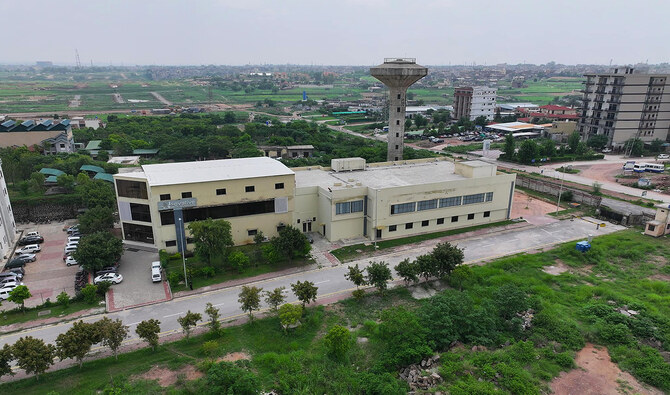
ISLAMABAD: Pakistan has established four new special technology zone that can house up to 50,000 professionals and have an annual export potential of $350 million, the Special Technology Zones Authority (STZA) said on Friday.
The newly designated zones include the Mindbridge Special Technology Zone in Lahore, Capital Smart Technology Zone in Rawalpindi, and NUST Special Technology Zone and Tech7 Special Technology Zone in Islamabad, according to the STZA.
These zones, consisting of 1.4 million square feet high-quality tech infrastructure at 130 acres of land, will foster innovation, drive economic growth, enhance technology exports and position Pakistan as a key player in the global technology arena.
“An investment of PKR30 billion has already been made in developing the specialized tech infrastructure by the zone developers while more than PKR150 billion investment is expected in next 2-4 years by local and foreign technology companies,” the STZA said in a statement.
“The four new zones will have the capacity to house more than 50,000 professionals with an export potential exceeding $350 million annually.”
The accelerated roll-out of such zones is in line with the economic pillars of Pakistan’s Special Investment Facilitation Council (SIFC), a civil-military hybrid forum established in June 2023 to attract foreign direct investment in agriculture, mining, information technology, defense production and energy sectors, according to the STZA. These zones will increase technology-related local and foreign direct investment in the country.
“In addition to the 12 existing zones, which are home to over 15,000+ technology professionals, the newly notified zones will offer state-of-the-art facilities, cutting-edge infrastructure, and high-speed Internet connectivity, ensuring that enterprises can compete and thrive in the global market.” the authority said.
“Exclusively designated for technology sector companies under STZA policy, these zones also offer significant incentives, including 10-year exemptions on Income Tax and Customs duties, and forex benefits to licensed technology companies operating within them.”
Pakistan, which has been facing low foreign exchange reserves, currency devaluation and high inflation, last month reached a staff-level agreement with the International Monetary Fund (IMF) for a new $7 billion loan deal. The South Asian country is making desperate attempts to boost foreign investment to cut its reliance on foreign debts to support its $350 billion fragile economy.


![]()

Pakistan sets up four new technology zones with $350 million annual export potential
Short Url
https://arab.news/ptekn
Pakistan sets up four new technology zones with $350 million annual export potential
- The new technology zones are located in Islamabad, Rawalpindi and Lahore
- The initiative aims to create jobs for youth and prioritize the technology sector
Latest updates


© 2026 SAUDI RESEARCH & PUBLISHING COMPANY, All Rights Reserved And subject to Terms of Use Agreement.