



DUBAI: Sudanese freelance photographer Faiz Abubakr has been documenting the crisis in his home country that began in April 2023, when violence broke out between rival military factions.
The Sudanese Armed Forces, led by Sudan’s de facto president, Abdel Fattah Al-Burhan, have been locked in battle with the paramilitary Rapid Support Forces, under Mohamed Hamdan Dagalo, commonly known as Hemedti, ever since.
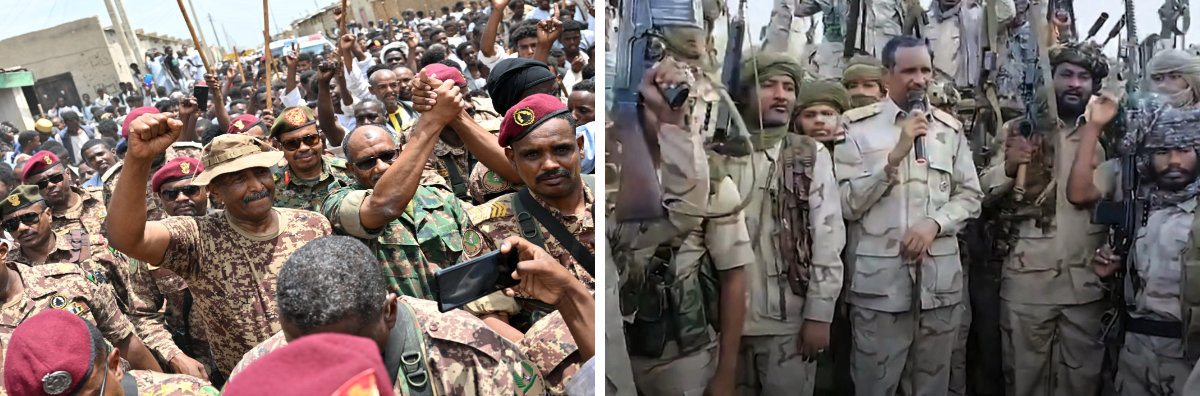
In this combination photo, Sudan's army chief Abdel Fattah al-Burhan (left frame) attends a graduation ceremony in Gibet near Port Sudan on July 31, 2024, while paramilitary forces commander Mohamed Hamdan Dagalo is shown in the other photo addressings his followers at an undisclosed location on July 28, 2023. (AFP photos)
Despite the immense danger, Abubakr felt compelled to go out into the streets with his camera to record the catastrophe unfolding in his home city of Khartoum and capture the impact of the generals’ bitter rivalry on its beleaguered citizens.
“Many questions ran through my mind about the lives of these residents who fled daily from the scourge of war, whose homes and belongings were consumed by fire, and who died in tragic ways,” Abubakr told Arab News. “These questions related to how they spent their days under the roar of planes and explosions, which forced them to abandon their homes and were haunted by the curses of displacement.”
According to the UN, Sudan is now in the grips of the world’s largest internal-displacement crisis, with millions forced to flee their homes, including Abubakr who initially sought refuge in Egypt with his family

After a few months, he returned to Sudan to work for several news agencies until he was wounded, he said, by an RSF gunman. While he recovered, he and his family moved to Kassala, located in the east of Sudan, close to the border with Eritrea.
Abubakr’s clients had included AFP, Le Monde, and The New York Times. Prior to the conflict, he was the recipient of the 2022 World Press Photo Award in the “Africa, singles” category. Now he is just trying to survive.
“The situation is much worse than before,” said Abubakr. “Life is very difficult due to lack of food and livelihood. There is the threat of famine in all parts of the country.
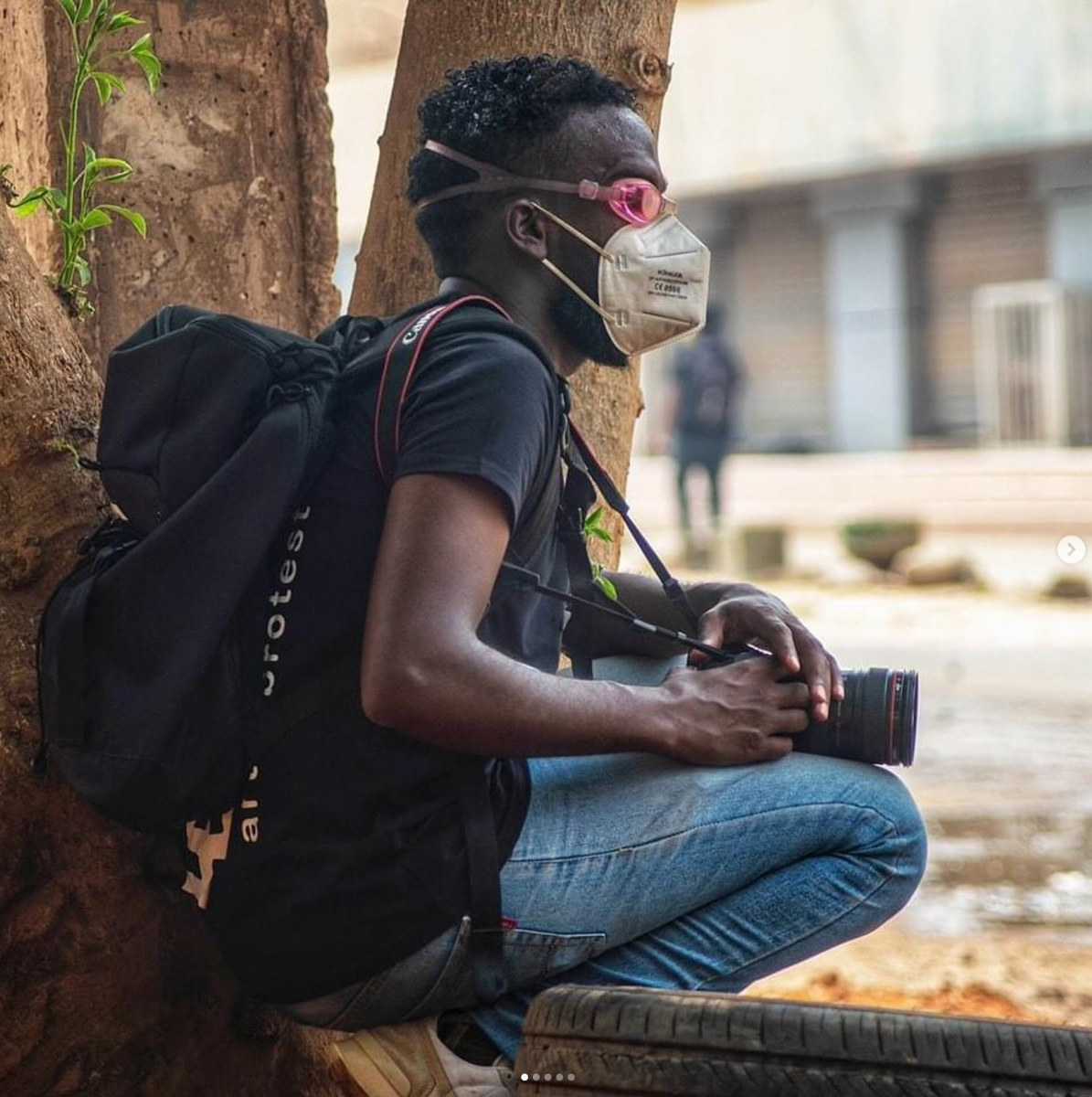
Even in displacement, freelance photographer Faiz Abubakr has continued to photograph the conflict unfolding around him in Sudan. (Instagram)
Even in displacement, Abubakr has continued to photograph the conflict unfolding around him, in particular its impact on civilians forced to leave their homes.
“I try to document their stories, but it is very difficult to photograph due to security reasons,” he said. “I lost everything during the war, including most of my photography equipment. My psychological state is becoming worse.”
INNUMBERS
• 10 million People internally displaced in Sudan, according to the UN.
• 25 million More than half of the population in need of humanitarian aid.
Abubakr is not alone. The conflict has taken a devastating toll on the health and wellbeing of Sudanese civilians, according to a new report by Medecins Sans Frontieres, whose staff operate in eight states across Sudan.
The population has faced “horrendous levels of violence, succumbing to widespread fighting and surviving repeated attacks, abuse, and exploitation” by the warring parties, the report states.
“The violence in Sudan shows no signs of abating,” Vickie Hawkins, executive director of MSF UK, writes in the report. “In fact, it is intensifying at a pace that outstrips our ability to process, document and respond to the daily events that our teams and patients experience in Sudan.”
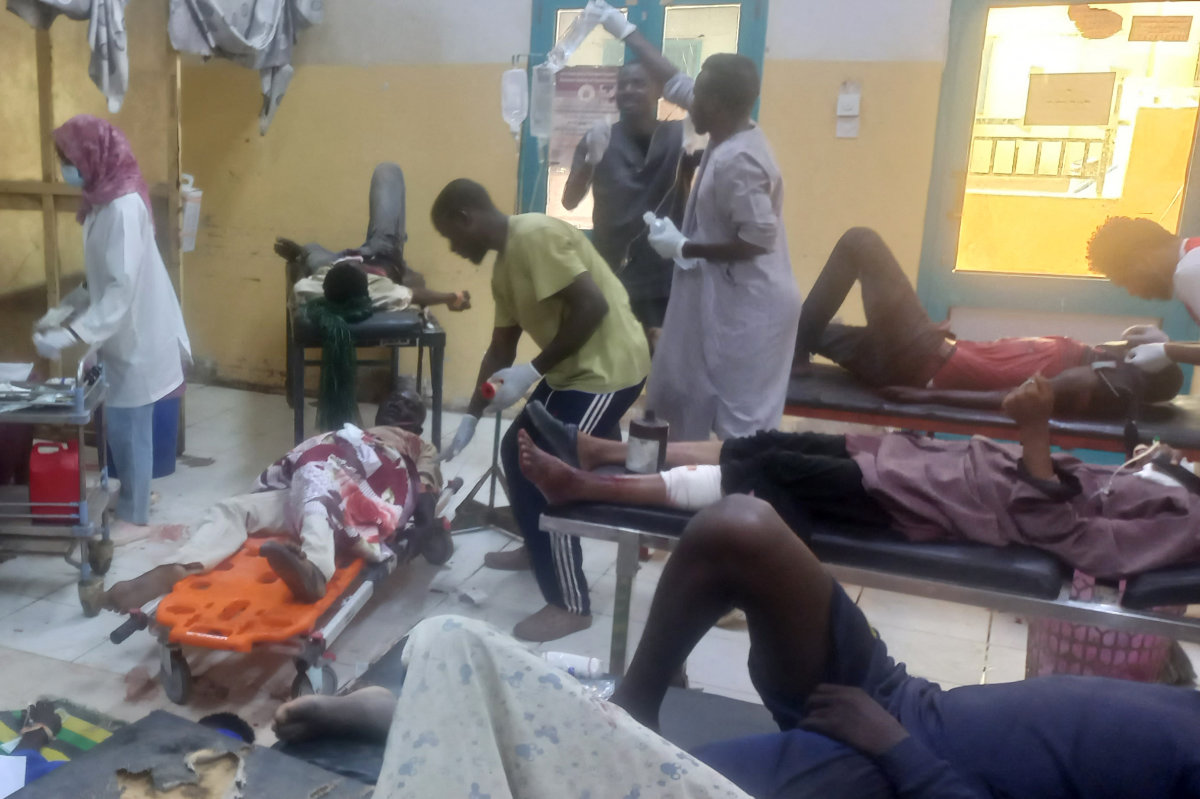
People receive treatment at the Bashair hospital in Sudan's capital during the early weeks of the war last year. Many hospitals in Khartoum and other states have closed because of attacks against health workers. (AFP/File)
The report draws on medical and operational data collected by MSF from April 15, 2023, to May 15 this year. It notes the patterns of violence and abuse observed by MSF teams and the devastating impact of the fighting on public health.
In the report, an unnamed health worker at Al-Nao hospital in Omdurman, west of Khartoum, described the aftermath of recent shelling in a residential area of the city.
“About 20 people arrived and died straight after. Some arrived already dead,” the health worker said. “Most of them came with already hanging hands or legs, already amputated. Some only with a small part of skin keeping two limbs together.
“One patient came with an amputated leg, their caregiver followed behind, carrying their missing limb in their hand.”
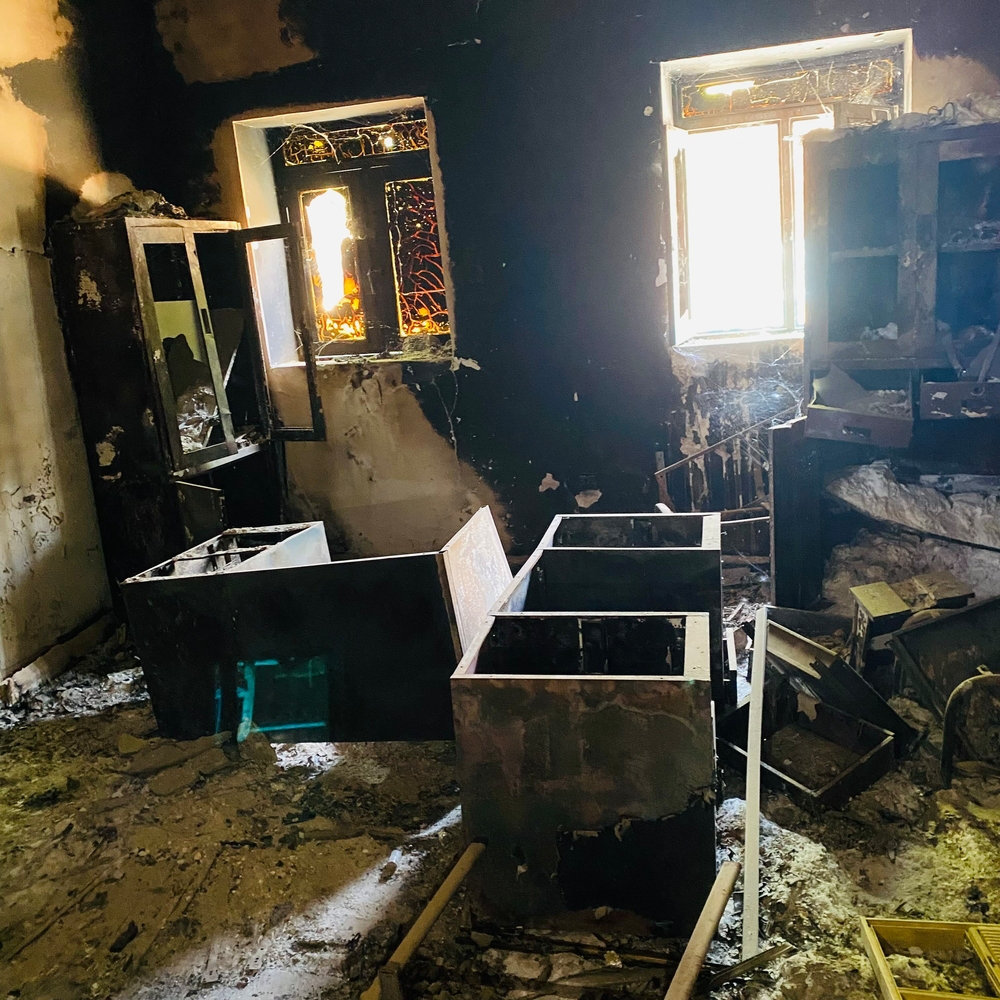
The destruction that followed the storming and looting of an MSF-supported health facility in Sudan. (MSF)
According to MSF, Al-Nao hospital has treated 6,776 patients for injuries caused by armed violence between Aug. 15, 2023 and April 30 this year — an average of 26 people per day.
“After 15 months of conflict, the warring parties show a complete lack of regard for any civilian life,” Kyle McNally, a project coordinator for MSF who was recently stationed in Sudan’s southwestern city of Nyala, told Arab News.
“These are the people that they claim to be representing and fighting for. Instead, this is really a war on the people of Sudan in the way that they’re conducting their hostilities. We see very egregious violations of civilian protection and attacks against civilians as well as civilian infrastructure.
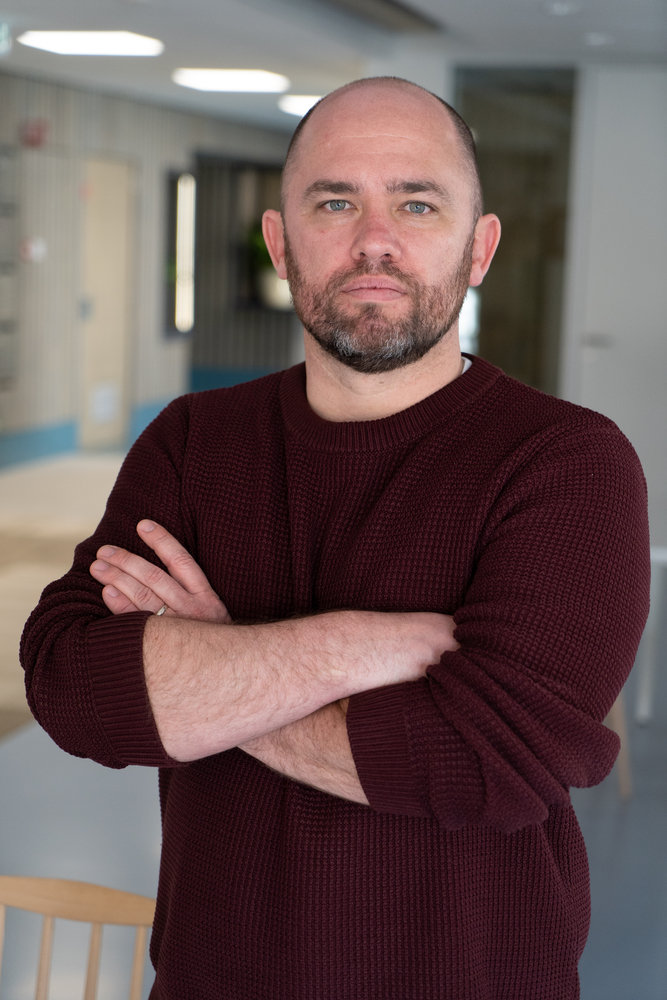
Kyle McNally, a project coordinator for Medicins Sans Frontieres. (MSF photo)
“Hospitals and medical staff have not been spared. We see numerous attacks against healthcare facilities. The hospital system and the healthcare system have been completely decimated by the fighting.”
According to the UN, Sudan faces a deepening food crisis, with around 25 million people — including more than 14 million children, of whom 3 million are under the age of five, suffering acute malnutrition — in dire need of humanitarian assistance.
At least 10 million people have been forced to flee their homes to escape the violence, according to newly released data from the UN’s International Organization for Migration.

“The conflict in Sudan has become one of the largest displacement crises in the world,” Alyona Synenko, spokesperson for the Africa region at the International Committee of the Red Cross, told Arab News from Nairobi.
“We’re talking about a quarter of the population of the country that has fled their homes. People have lost their homes and lost access to essential means for survival.”
The displacement of farmers, in particular, has led to the collapse of Sudan’s agricultural sector, exacerbating food insecurity. “Food production has suffered immensely, and we’re witnessing a worsening food crisis,” said Synenko.
“We have hundreds of people who call us, desperate, because they don’t know what happened to their loved ones. We have more and more families who are separated and have lost any means to contact each other.”
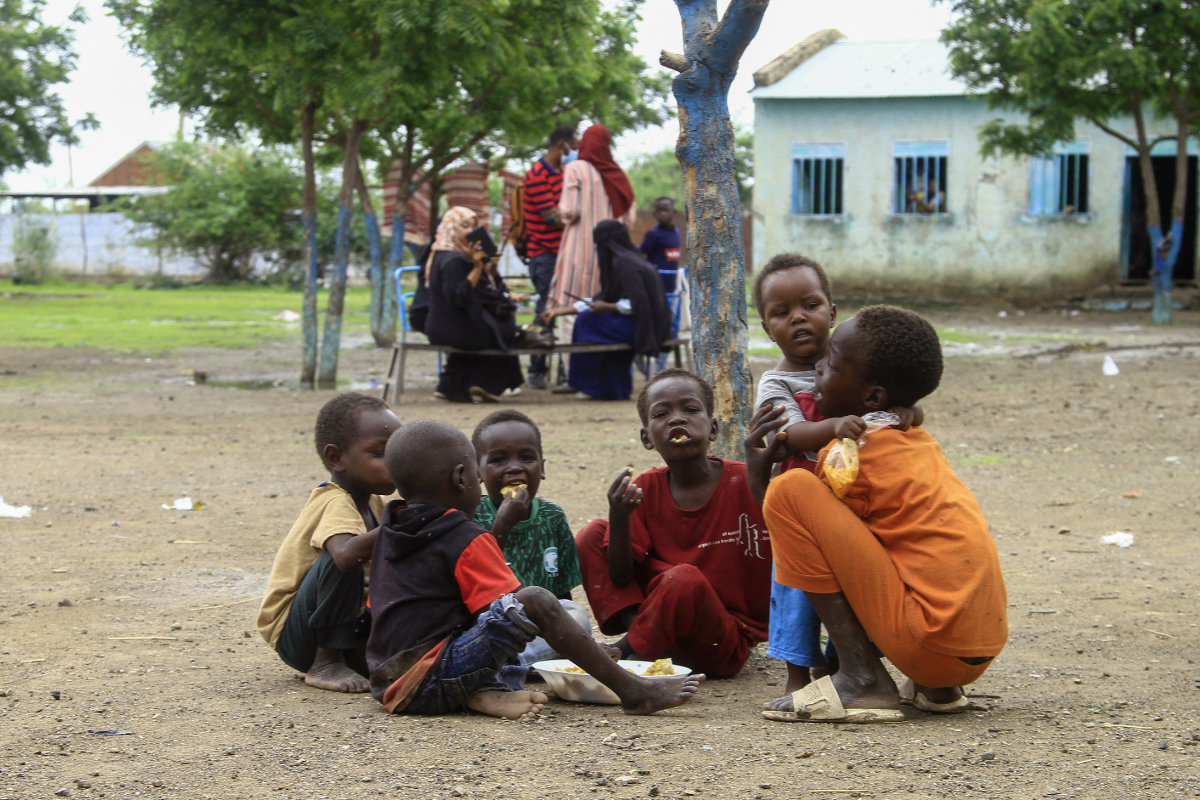
Displaced children share a meal provided through a charity initiative at a displacement camp in Gedaref city in the east of war-torn Sudan on July 13, 2024. (AFP)
During the first half of 2024, the ICRC worked in partnership with the Sudanese Red Crescent to provide emergency assistance and essential services. However, its efforts have been frustrated by the security situation, administrative challenges, and difficulties accessing communities.
Nowhere is this more obvious than in Sudan’s troubled Darfur region, where allegations of ethnic cleansing and attacks on hospitals have emerged.
“We saw just utter devastation throughout the city of Nyala, which used to be the second most populous city in Sudan,” said McNally of MSF.
“The entire northern half of the city is almost completely destroyed. You see a complete lack of basic services anywhere. There has been virtually no international humanitarian response in this part of the country.
“You really see people struggling. You have the residents who remained, and then you also have IDP camps in the surrounding area with hundreds of thousands of people. You see a lot of people who are incredibly desperate and very little assistance currently reaching them.”
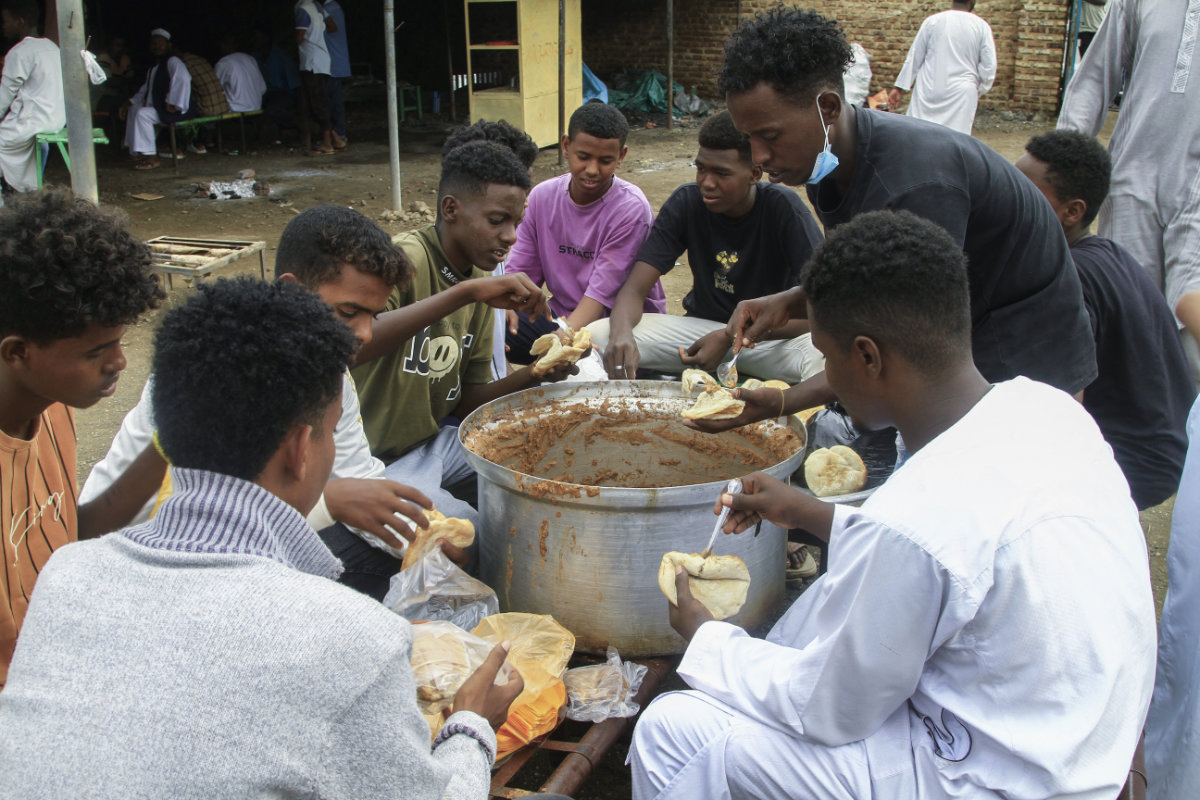
Volunteers in a charity provide meals at a displacement camp in Gedaref city in the east of war-torn Sudan on July 13, 2024. (AFP)
According to Abubakr, Sudanese civilians suffer especially badly in areas controlled by the Rapid Support Forces. The paramilitary group now controls most of Khartoum, Al-Jazirah, Kordofan, and the vast western region of Darfur.
Of particular concern are reports of sexual and gender-based violence emerging from across the country, but especially from Darfur.
An MSF survey of 135 survivors of sexual violence, treated in refugee camps in Chad by MSF teams between July and December 2023, found that 90 percent were abused by an armed perpetrator. Fifty percent were abused in their own home and 40 percent were raped by multiple attackers.
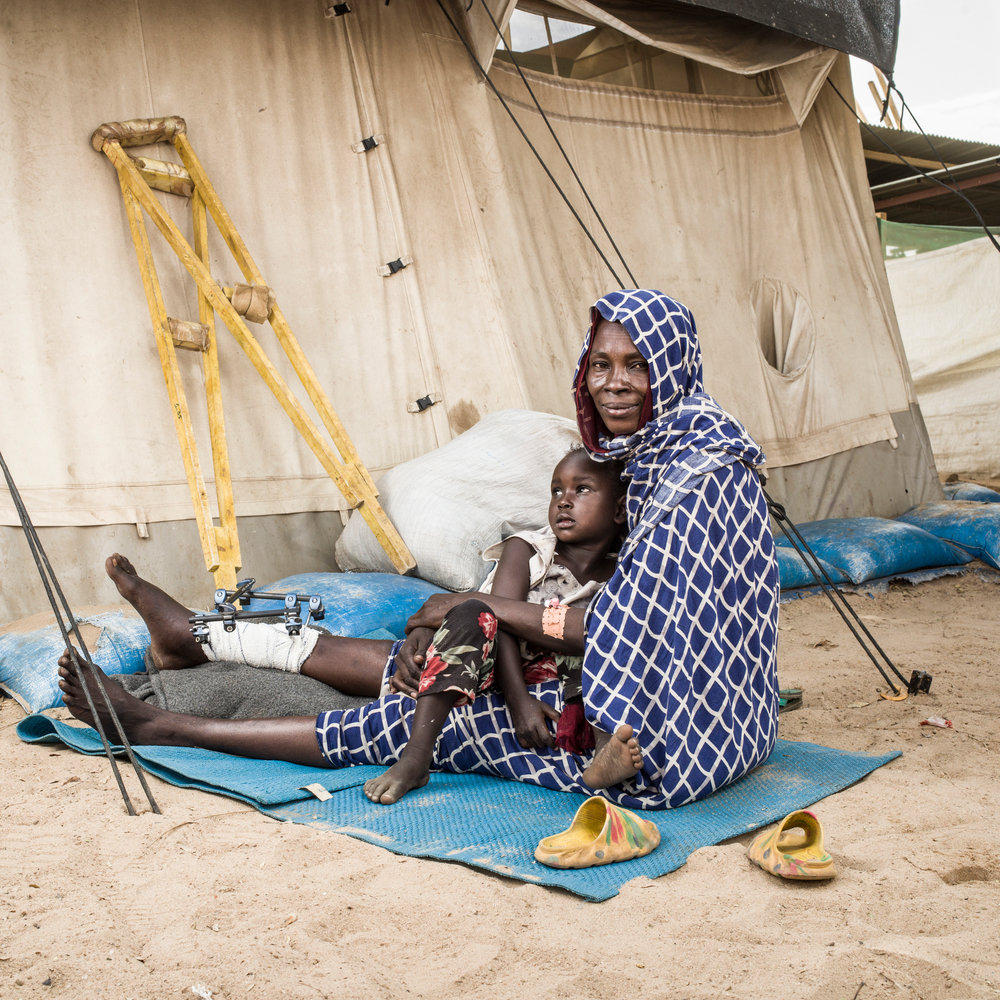
The conflict has left tens of thousands of people disabled. (Corentin Fohlen/Divergence
Abubakr recalls feeling haunted by the sight of his neighbors in Khartoum abandoning their homes — leaving places and belongings that were integral to their identity, not knowing whether they would ever return. He never believed that he, too, would flee the city of his birth.
Now, only the memories and the photographs of a home he someday hopes to reclaim remain.
“I see that a person does not inhabit the place as much as the place inhabits them,” said Abubakr. “The images and scenes of my home never left my mind. I wish to return to it again.”


keywords


