- Glass, a British-American author and freelance journalist, tried to meet Khan at Rawalpindi’s central prison, Khan’s sister wrote on X
- Islamabad-based journalist, at whose house Glass was when police arrived, says his visa was valid until Monday but was given four hours to leave
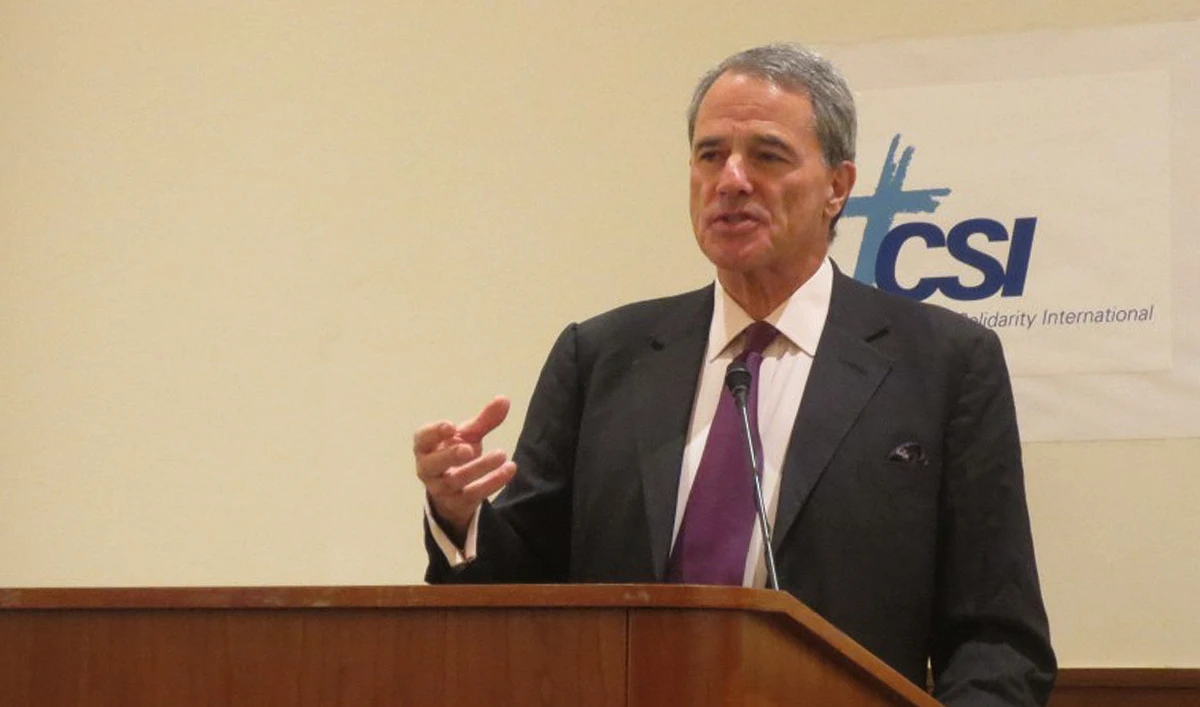
ISLAMABAD: British-American author and journalist Charles Glass was deported from Pakistan after he tried to meet former prime minister Imran Khan in prison, a colleague and the ex-premier’s family said.
Glass, 73, is an author, journalist, broadcaster, and publisher who specializes in the Middle East and World War II. He has worked for renowned international media organizations such as Newsweek, ABC TV, and The Telegraph and currently works as a freelance journalist.
Aleema Khanum, former premier Khan’s sister, shared a letter on social media platform X purportedly written by Glass to Pakistan’s interior secretary on Wednesday requesting authorities to allow him to meet Khan at Rawalpindi’s central jail.
The foreign journalist, who arrived in Pakistan last week, said authorities had not allowed him to meet Khan for the past three days despite a court order granting him permission to do so.
Glass was visiting Islamabad-based journalist Zahid Hussain on Wednesday when police arrived at his house. Hussain said the foreign journalist told him the same day that his visa had been canceled despite it being valid until Monday.
Hussain said police informed him that Glass needed to leave the country within four hours.
“He was then put on a flight, and I received his message today that he had reached Dubai,” Hussain added.
Describing it as a “strange move,” he said Glass wasn’t told by police why he was being deported.
“He had been stopped by jail authorities from seeing Khan when he visited Adiala Jail earlier and had returned without meeting him, so why deport him,” he added.
Arab News sent queries to Pakistan’s interior ministry, Islamabad Police, Federal Investigation Agency [FIA] and the information ministry but did not receive a comment till the filing of this report.
Khanum, Khan’s sister, described Glass as ” a very old friend” of her brother and also said he was deported.
“When Mohsin Naqvi has to resort to deporting Imran Khan’s friends visiting from overseas, it speaks volumes about the government’s state of mind and panic,” she wrote on social media platform X.
Khan, a former cricket star, came to power in 2018 and was ousted in 2022 in a parliamentary no-trust vote after what is widely believed to be a falling out with Pakistan’s powerful military, which had helped propel him into office. The army denies political interference.
Since his ouster, Khan and his Pakistan Tehreek-e-Insaf (PTI) party have led a defiant campaign against the army, even blaming senior military officials for an assassination bid on Khan in November 2022 as he was leading a protest caravan to Islamabad.
The PTI founder has been in jail since August last year, even though all four convictions handed down to him ahead of a parliamentary election in February have either been suspended or overturned. Khan says all legal cases against him are motivated to keep him out of politics and suppress his party’s popularity.
Khan and his party have complained of an ever-widening crackdown against the party since May 9 last year when alleged supporters of the PTI attacked and damaged government and military installations. Hundreds of PTI supporters and leaders were arrested following the riots and some continue to remain behind bars as they await trial.