Over 25,000 beehives spread across Saudi royal reserve for honey production season

The authority aims to engage the local community in beekeeping and create job opportunities. (SPA)
Short Url
Updated 30 July 2024
Follow

Over 25,000 beehives spread across Saudi royal reserve for honey production season

  • The authority aims to engage the local community in beekeeping, support the sustainable development of local bee products, encourage innovation, and create job opportunities, boosting farmers’ and beekeepers’ incomes

RIYADH: The Imam Turki bin Abdullah Royal Nature Reserve Development Authority has said that 25,737 beehives spread across 256 sites in the reserve are participating in this year’s honey production season.

The season, which opened at the beginning of July, will close at the end of April 2025, the Saudi Press Agency reported.
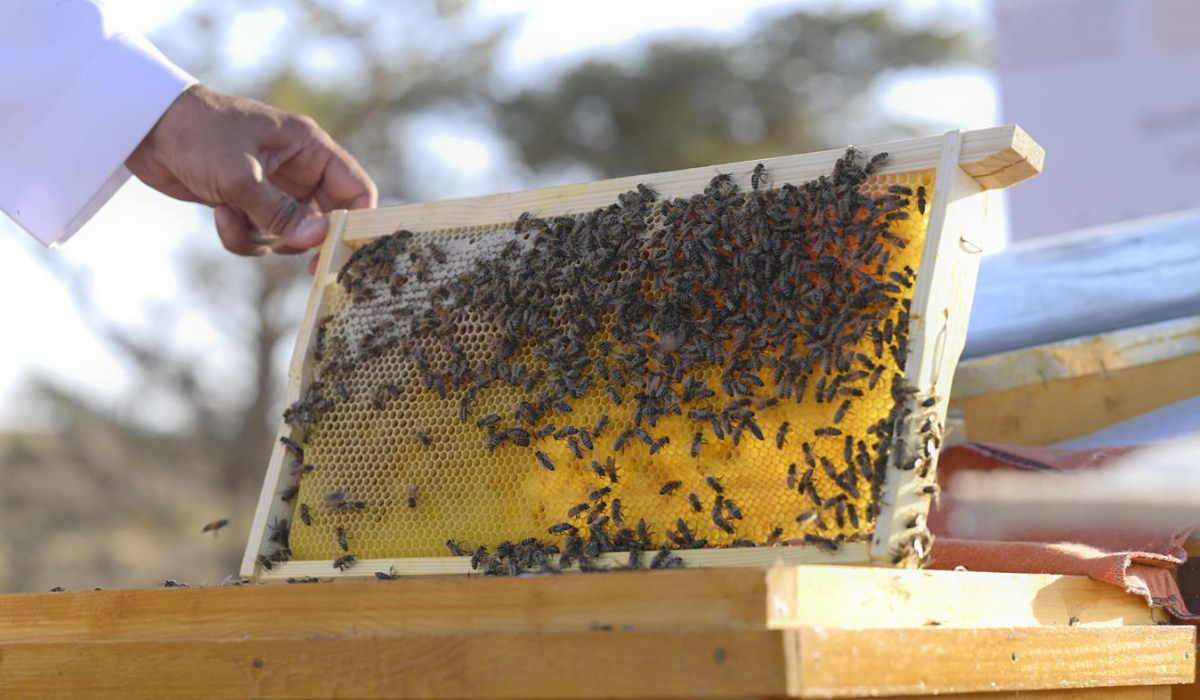


The reserve produces two of the finest types of honey, namely talh and sidr, whose production will continue until the end of September. (SPA)

The authority aims to engage the local community in beekeeping, support the sustainable development of local bee products, encourage innovation, and create job opportunities, boosting farmers’ and beekeepers’ incomes.

Since the launch of the season, the authority has sought to highlight the role bees play in the ecosystem, in plant pollination, and in preserving the biodiversity of the reserve, as well as to demonstrate its commitment to protecting the environment and applying sustainability standards. It has also underscored the importance of honey products as an example of the contribution of natural resources to economic development.
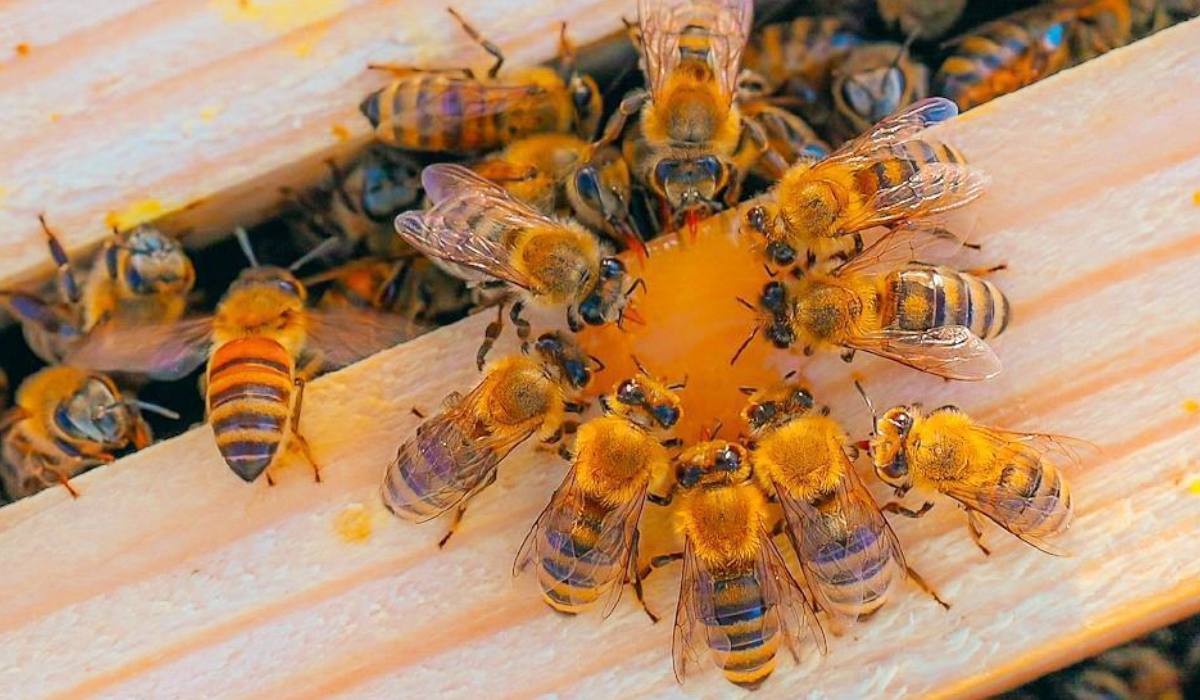


The reserve produces two of the finest types of honey, namely talh and sidr, whose production will continue until the end of September. (SPA)

So far, 109 permits have been issued to beekeepers, according to the authority, which added that the reserve produces two of the finest types of honey, namely talh and sidr, whose production will continue until the end of September. The spring blossom honey production season begins in February and continues until the end of May.

The beekeepers’ season is a distinctive event that contributes to encouraging ecotourism in the reserve by highlighting its picturesque and pristine natural environment, consolidating its position as a unique ecotourism hub.


Saudi wildlife center releases 140 wild animals into royal reserve

The initiatives aim to enhance ecological balance and restore biodiversity in natural habitats. (SPA)
Updated 07 February 2026
Follow

Saudi wildlife center releases 140 wild animals into royal reserve

  • This milestone reflects significant progress in the management and governance of wildlife across the Kingdom, supporting the goals of the Saudi Green Initiative and aligning with the objectives of Saudi Vision 2030

RIYADH: The National Center for Wildlife released 140 wild animals into the King Salman bin Abdulaziz Royal Reserve as part of ongoing programs to reintroduce endangered species. The initiatives aim to enhance ecological balance and restore biodiversity in natural habitats.

The release, carried out in cooperation with the King Salman bin Abdulaziz Royal Reserve Development Authority, included 30 Arabian oryx, 70 reem gazelles (sand gazelles), and 40 houbara bustards, the SPA reported on Thursday. 

The initiative forms part of efforts to reintroduce species to their natural habitats and establish stable, self-sustaining wildlife populations capable of breeding, contributing to improved ecosystem functioning and sustainability.

The NCW continues to implement its strategic plans for wildlife development, with the total number of animals reintroduced through its specialized programs now exceeding 10,000.

This milestone reflects significant progress in the management and governance of wildlife across the Kingdom, supporting the goals of the Saudi Green Initiative and aligning with the objectives of Saudi Vision 2030.