RIYADH: Citizens and residents of Saudi Arabia are no strangers to extreme heat conditions, and over the years they have learned to adapt. But as temperatures rise, so do the bugs. And sometimes the problem cannot simply be swatted away.
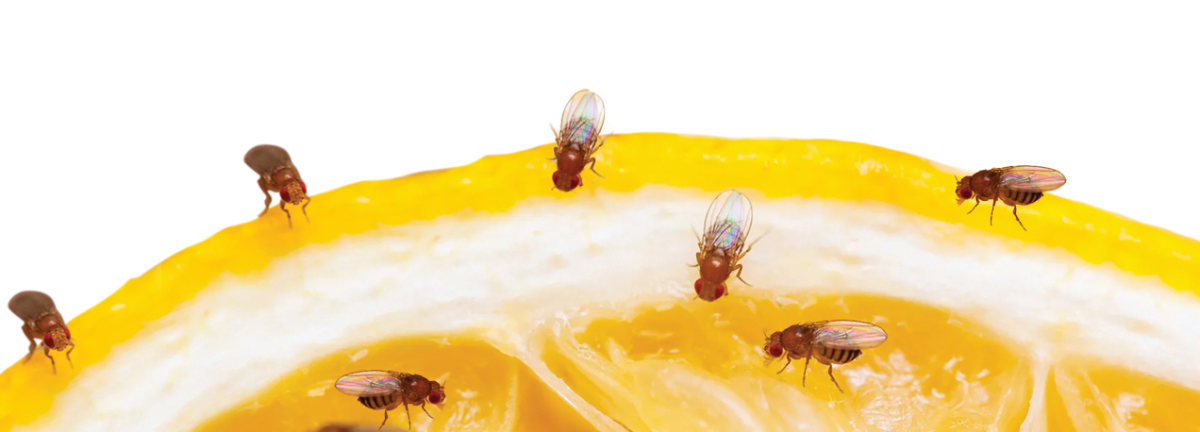
Tephriditae fruit flies, such as the Mediterranean fruit fly and the olive fruit fly, as well as insects such as the red palm weevil, are among the biggest antagonizing forces against the nation’s plant and fruit supply.
According to research by Topian, NEOM’s food company, the SR9.2 billion ($2.4 billion) date industry loses an average of SR1 billion annually in date palms and associated forgone revenues because of red palm weevil infestations.
Saudi farmers preserve date crops using a technique called ‘sleeving,’ which involves covering the fruit to protect it from pests, weather conditions and other forms of contamination. (AN photo)
At the launch of the Saudi Agrifood Tech Alliance in early July in Riyadh, Andrew Yip, head of innovation and ecosystem activation at Topian, revealed the development of new technology designed to target the red palm weevils threatening Saudi Arabia’s 36 million palm trees.
In partnership with AK-Sens, a King Abdullah University of Science and Technology start-up, Topian plans to commercialize and scale optical fiber sensing technology for early-stage detection of the insect in thousands of trees in under an hour, Yip said.
HIGHLIGHTS
• In partnership with AK-Sens, a King Abdullah University of Science and Technology startup, Topian is developing a new technology designed to target the red palm weevils threatening Saudi Arabia’s 36 million palm trees.
• The project plans to commercialize and scale optical fiber sensing technology for early-stage detection of the insect in thousands of trees in under an hour.
• It has the potential to increase overall efficiency and sustainability in the agrifood sector and farms nationwide.
Following initial testing with only a handful of trees in Tabuk, the team’s latest trial at NEOM involved a thousand trees and achieved 96.3 percent accuracy with a two thirds reduction of set-up time from previous trials.
Saudi farmers preserve date crops using a technique called ‘sleeving,’ which involves covering the fruit to protect it from pests, weather conditions and other forms of contamination. (Supplied)
While the sensing technology has been so far exclusive to palm trees and red palm weevils, it has the potential to increase overall efficiency and sustainability in the agrifood sector and farms nationwide.
To better understand the health risks associated with consuming pest-infested fruits and vegetables, Arab News spoke to Dr. Basem Al-Bahrani, the emergency medicine consultant at Johns Hopkins Aramco Healthcare and a member of the Canadian Association of Emergency Physicians.
He said: “Eating vegetables and fruits is an essential part of a healthy diet, but there are health risks associated with eating them if they are contaminated or not washed properly. These risks may include a variety of issues that may affect individuals in different ways.”
Saudi farmers preserve date crops using a technique called ‘sleeving,’ which involves covering the fruit to protect it from pests, weather conditions and other forms of contamination. (AN photo)
Food poisoning as a result of salmonella, Escherichia coli (or E. coli), or listeria bacteria is among the most common issues and its symptoms include diarrhea, nausea and vomiting, abdominal cramps, and a fever, Al-Bahrani explained.
Other possible health risks are parasitic infections that at their best present the same as food poisoning and at their worst may cause weight loss and anemia. Finally, ingesting pesticide remnants could lead to hormonal imbalances, nervous system disorders, and increased risk of cancer.
NUMBER
$2.4bn
According to research by Topian, NEOM’s food company, the SR9.2 billion ($2.4 billion) date industry loses an average of SR1 billion annually in date palms and associated forgone revenues because of red palm weevil infestations.
Arab News also spoke to Salman Al-Wahib, a Saudi Advanced Business Co. Holding retiree turned farmer and owner of a plant tissue culture laboratory and nursery for outdoor and indoor plants, with 11 years of experience in the field.
He said that fruit pests are a problem that “requires great care from those responsible, farmers, and consumers.” Al-Wahib also warns that summer is an especially dangerous time because rising temperatures and humidity levels provide conditions for the pests to thrive and contribute to the spread of bacteria and plant mold.
He explained that the problem begins, expectedly, at the farming stage. While pests are most common in local fruits, it is more often than not the symptom of imported seeds and soil. If the seeds and soil are not properly treated before the initial shipment, these containers become welcoming habitats for pest procreation, ready to continue their infestation at their final destination.
Farmers and producers follow strict sanitation, inspection, and clearance procedures to avoid large-scale infestation. According to Al-Wahib, the fruit undergoes an interior and exterior inspection to check for any traces of pests. Then, fruit samples are taken to the lab and tested for pests and any pesticide remnants.
The Ministry of Environment, Water, and Agriculture monitors farming sites to ensure that no highly poisonous and environmentally harmful pesticides are used and the standard provisions of Pesticide Law — agreed upon by the agricultural department of the Gulf Cooperation Council in 2005 — are followed. The law states that “it is essential to control and regulate the way they (pesticides) are formulated, used, marketed, stored and handled to stave off any potential risks.” Finally, a certification is granted deeming the selected crop pest and pesticide free and safe for human consumption.
As much as the development of organic pesticides has seen great strides in the last few decades, and farmers such as Al-Wahib agree that they are the superior option to chemical pesticides in efficacy and plant health, there is yet a long way to go to bring down that SR1 billion loss to a much more reasonable number and prevent widespread health issues.
According to Al-Wahib, in addition to thoroughly washing fruits at home, watching for signs of infestation, and using suitable storage techniques, the best way to avoid the dangers of fruit pests is to “buy from trusted local markets or farms that have an official certification deeming them free of harmful chemical pesticides and fertilizers.”
That way our favorite summer fruits may be readily enjoyed worry-free to refresh from the sweltering summer heat.