GENEVA: Swiss prosecutors said Saturday they were investigating a Russian diplomat and suspected agent alongside two others reported to have tried to procure weapons and other potentially dangerous material.
The Office of the Attorney General (OAG) said it had been conducting an investigation into the two accused people without diplomatic immunity, suspected of violating laws including Switzerland’s War Material Act and Embargo Act.
It confirmed to AFP that its request to Switzerland’s Federal Department of Justice and Police (FDJP) for authorization to also look into the third man in the case had been granted.
“A national arrest warrant” had been issued, it said.
The Tages-Anzeiger daily reported that the man had been accredited as a diplomat in Bern, who had been under surveillance by Swiss intelligence.
After facing accusations of spying with the aim of procuring dangerous material, he had discretely left Switzerland, the paper said.
After the Swiss foreign ministry confirmed that the man’s diplomatic immunity was lifted when he left the country, and following searches of “several houses,” “the FDJP has now granted ... authorization to prosecute,” the OAG said.
It added that the accused enjoyed the presumption of innocence.
The case comes amid concern over swelling numbers of Russian spies in Switzerland since Moscow’s 2022 invasion of Ukraine.
Swiss lawmakers in May demanded that the government take a harsher stance on Russian spies operating in the country — a center of international activity considered a hub for espionage.
That came after Switzerland’s Federal Intelligence Service (FIS) warned last year that the country was among European nations with the highest number of Russian intelligence officers operating under diplomatic cover.
FIS chief Christian Dussey suggested then that around a third of the some 220 people accredited as diplomatic or other staff at the Russian mission in Geneva were intelligence service operatives.


![]()

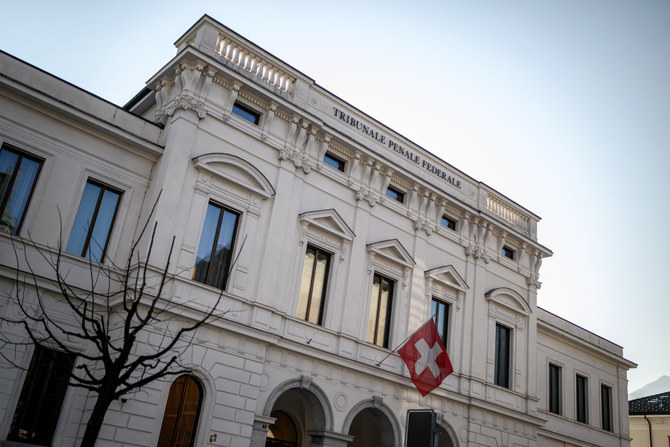
Swiss prosecutors say probing suspected Russian agent
Short Url
https://arab.news/bejus
Swiss prosecutors say probing suspected Russian agent
- The man had been accredited as a diplomat in Bern, who had been under surveillance by Swiss intelligence
- After facing accusations of spying with the aim of procuring dangerous material, he had discretely left Switzerland


Latest updates



© 2026 SAUDI RESEARCH & PUBLISHING COMPANY, All Rights Reserved And subject to Terms of Use Agreement.