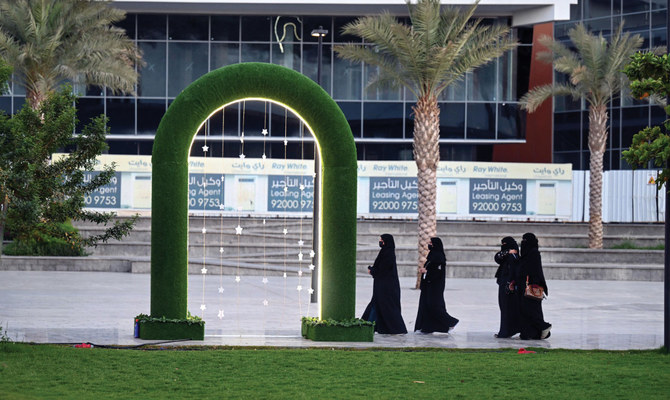

RIYADH: Tourism and hospitality in Saudi Arabia are experiencing a remarkable transformation driven by the increased participation of women, thanks to inspirational leaders and strong government action.
This shift is significant considering that tourism is one of the few global industries where women already constitute the majority of the workforce.
Saudi Arabia is keen to get more women in the workforce, and the Kingdom has already surpassed its Vision 2030 ambition of achieving 30 percent female participation in the labor market.
Indeed, the goal has now been upscaled to 40 percent — double the rate seen in 2010, according to World Bank figures.
Tourism and hospitality is seen as a sector where women can thrive, and the Kingdom is working hard to create more opportunities in this area.
According to EHL Insights, just five years ago, Saudi females faced significant barriers when it came to working in hospitality companies, and women had to go to great lengths to convince their families to allow them to pursue education or employment opportunities in this industry.
This has changed thanks to the economic and cultural shifts spearheaded by the Vision 2030 initiative, and according to data issued by R Consultancy Group in March, 45 percent of the sector’s workforce now comprises female professionals – 925,000 workers.
“There are several inspirational female leaders that have helped to strategically shape both the Saudi tourism sector and the regional tourism sector more broadly such as Princess Haifa bint Mohammed Al-Saud, vice minister of tourism, and Basmah Al-Mayman, regional director of the UN World Tourism Organization,” Anne-Laure Malauzat, partner at Bain & Co. in the Middle East, told Arab News.
She went on to stress that on the ground in Saudi Arabia, there is a massive presence of women across different parts of the tourism and hospitality sectors, from the architects designing the Kingdom’s key airports, passport control officers, and cab drivers as well as hospitality leaders and tourist guides.
“Examples of these success stories include Sarah Gasim, senior vice president — head of KSA Hotels and Hospitality at JLL — who managed hotel complexes in the past. (She) is a published author and lectured on hospitality, helping to shape future generations in the sector,” Malauzat said.
From Red Sea Global’s point of view, spokesperson Zainab Hamidaddin Al-Hanoof Al-Hazzani told Arab News that women bring unique perspectives, skills, and insights to roles such as hospitality management, customer service, marketing, and event planning, which significantly enhance the overall quality of service and customer satisfaction.
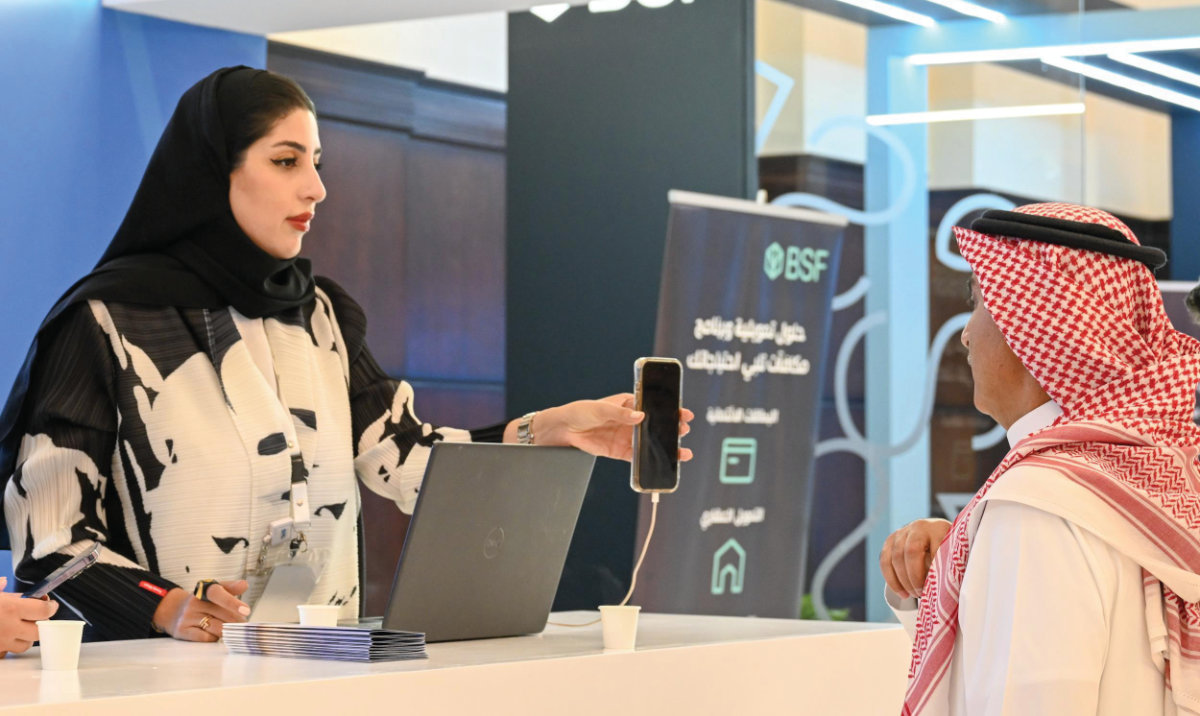
Tourism and hospitality is seen as a sector where women can thrive, and the Kingdom is working hard to create more opportunities in this area. (SPA)
“Their diverse perspectives, enhanced service delivery, and inclusive workplace contributions are driving innovation and economic growth, making them indispensable to its success,” she said.
Al-Hazzani claimed that women are actively shaping the future of the tourism and hospitality industry in Saudi Arabia, adding: “This is particularly true at RSG where women play a pivotal role in elevating guest experiences, fostering cultural diversity, and contributing to the overarching success of our projects.
For example, our Elite Graduate Program has provided employment opportunities for 250 individuals, with 30 women advancing to management positions.”
Opportunities and challenges for women in the tourism and hospitality sector
The tourism and hospitality sector in Saudi Arabia is undergoing a significant transformation, with a growing focus on cultural tourism, luxury experiences, and heritage preservation which presents a wealth of opportunities for women.
Laila Kuznezov, director, Implementation Practice at management consulting firm Oliver Wyman told Arab News that from leadership roles in hotel management to careers in event planning, cultural tourism experiences, and hospitality education, women can leverage their “unique skills and perspectives” to shape the future of Saudi tourism.
“By empowering women in tourism and hospitality, they are not only creating a more inclusive workforce, but also sending a powerful message to the world. With a diverse pool of talent contributing to the industry, they can create a world-class visitor experience that reflects the Kingdom’s rich heritage, culture tapestry, and forward-thinking vision for the future,” Kuznezov added.
Speaking on the key constraints women face in entering the labor force and securing employment, Kuznezov shed light on how many of the barriers in Saudi Arabia are similar to those faced globally.

By empowering women in tourism and hospitality, they are not only creating a more inclusive workforce, but also sending a powerful message to the world.
Laila Kuznezov, director, Implementation Practice at Oliver Wyman
“A gender wage gap persists, and women at certain education levels, particularly those with only a secondary school leaver’s certificate, have much lower participation rates than men. A huge opportunity lies in capitalizing on the highly skilled female workforce in Saudi Arabia,” she explained.
The director also noted that: “We need to see more women as CEOs, CFOs, and senior managers across all industries, particularly in highly productive sectors driven by technology and knowledge. Encouraging female entrepreneurship is also crucial. The talent and ambition are there – it’s about providing continued support and fostering a culture that actively supports and promotes women in transformative roles.”
She continued to clarify that the recent rise in female labor force participation is a positive indicator, but the next step is ensuring these women secure high-quality jobs that leverage their full capabilities.
“It is also important to support gains for women at all levels and geographic areas. A key focus in Saudi Arabia is ensuring access to the training and childcare options needed for success, especially for women who have been out of the workforce for long periods of time, are first-time job holders, or have lower education levels,” Kuznezov emphasized.
“Since Saudi women tend to stay closer to their hometowns, geographically dispersed training programs and readily available childcare are crucial to expanding regional employment opportunities,” the director further said.
According to Kuznezov, Saudi Arabia is embracing a progressive approach by developing and enabling regulations to promote new forms of work, such as freelancing, part-time work, platform and gig economy work, and remote working.
“These models offer women increased flexibility and more channels to enter and participate in the workforce, which should contribute to continuing the positive trends of increased participation and reduced unemployment for women,” she said.
Women participation’s impact on Vision 2030
Female participation in the tourism and hospitality sector has helped support the Vision 2030 agenda on multiple fronts, believes Bain & Co.’s Malauzat.
“From a talent perspective, enabling the sector transformation through their leadership, skills, and contribution across all parts of the tourism and hospitality lifecycle,” she said.
FASTFACT
In Saudi Arabia, there is a massive presence of women across different parts of the tourism and hospitality sectors, from the architects designing the Kingdom’s key airports, passport control officers, and cab drivers as well as hospitality leaders and tourist guides.
“From a consumer understanding perspective, women globally take an estimated 80 percent of consumer-related decisions so having women represented in the sector is critical to ensure a real understanding of consumers in this space,” the partner affirmed.
She concluded: “From a gender equity perspective, this has been an important contributing factor to helping the Kingdom achieve its overall aspirations for female participation in the labor market nationally.”
From RSG’s lens, according to Al-Hazzani, by actively promoting gender diversity in the workforce within the tourism and hospitality sector, the firm is taking significant strides towards realizing the vision outlined in Vision 2030.
“This initiative aligns seamlessly with the broader objective of cultivating a vibrant and inclusive economy that harnesses the full spectrum of talent and capabilities within the nation,” Al-Hazzani said.
“Recognized as a fundamental driver of economic diversification, the tourism and hospitality sector in particular benefits immensely from the integration of female talent. Their presence not only fuels the sector’s growth but also enhances its competitive edge and long-term viability through delivering an enriched tourism experience and driving innovation,” she added.
The spokesperson justified that by prioritizing gender diversity in the tourism and hospitality workforce, RSG is not only embracing Vision 2030’s ideals but also paving the way for other sectors to do the same.
“Our dedication to inclusivity not only strengthens our economy but also reaffirms our collective commitment of creating a more prosperous and equitable society,” Al-Hazzani concluded.