



RIYADH: With a goal of sourcing at least 50 percent of its electricity from renewables by 2030, Saudi Arabia has invested heavily in diversifying its energy mix toward renewable sources to meet its pledge to cut carbon emissions and promote sustainable development.
To promote public understanding of renewable energy technologies and to advance the goals of Vision 2030, the King Abdullah City for Atomic and Renewable Energy launched the Mishkat Interactive Center for Atomic and Renewable Energy in Riyadh in 2017.
“The National Renewable Energy Program, with all its achieved and under-construction projects, really reflects how promising this strategic initiative is to fulfill Vision 2030,” Reham Aldous, the center’s content and program development manager, told Arab News.

Wind
Saudi Arabia has immense wind energy potential, particularly in its northwestern and coastal regions. The Kingdom has set a target of producing 50 gigawatts of wind energy capacity by 2030.
In 2021, Saudi Arabia inaugurated its first commercial-scale wind farm, the 400-megawatt Dumat Al-Jandal project, which is currently the largest in the Middle East. Additional large-scale wind projects are in the pipeline.
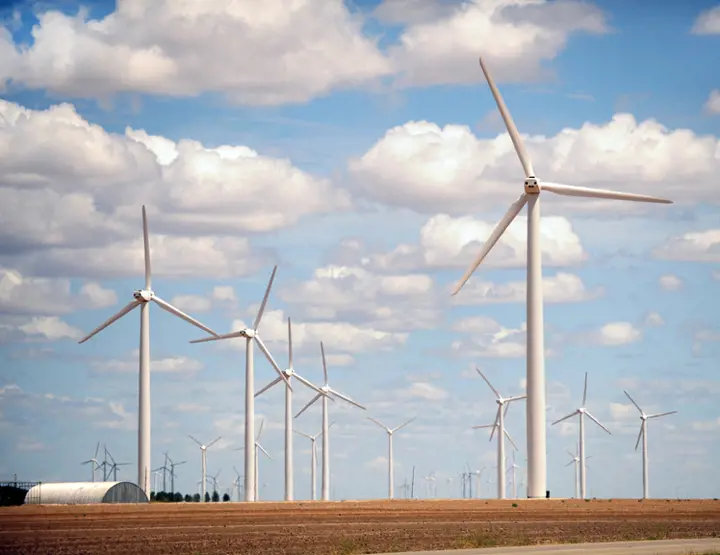
Duma Al-Jandal wind farm in the nothern Saudi province of Al-Jouf. (Vision 2030 photo)
Solar
As one of the sunniest countries in the world, Saudi Arabia has an abundance of solar energy resources. The country aims to install 50 GW of solar capacity by 2030.
Major projects include the 300-MW Sakaka solar plant, the 420-MW Sudair solar park, and the planned 2-GW Al-Shuaibah solar project. Saudi Arabia is also exploring innovative applications like floating solar farms on its reservoirs.
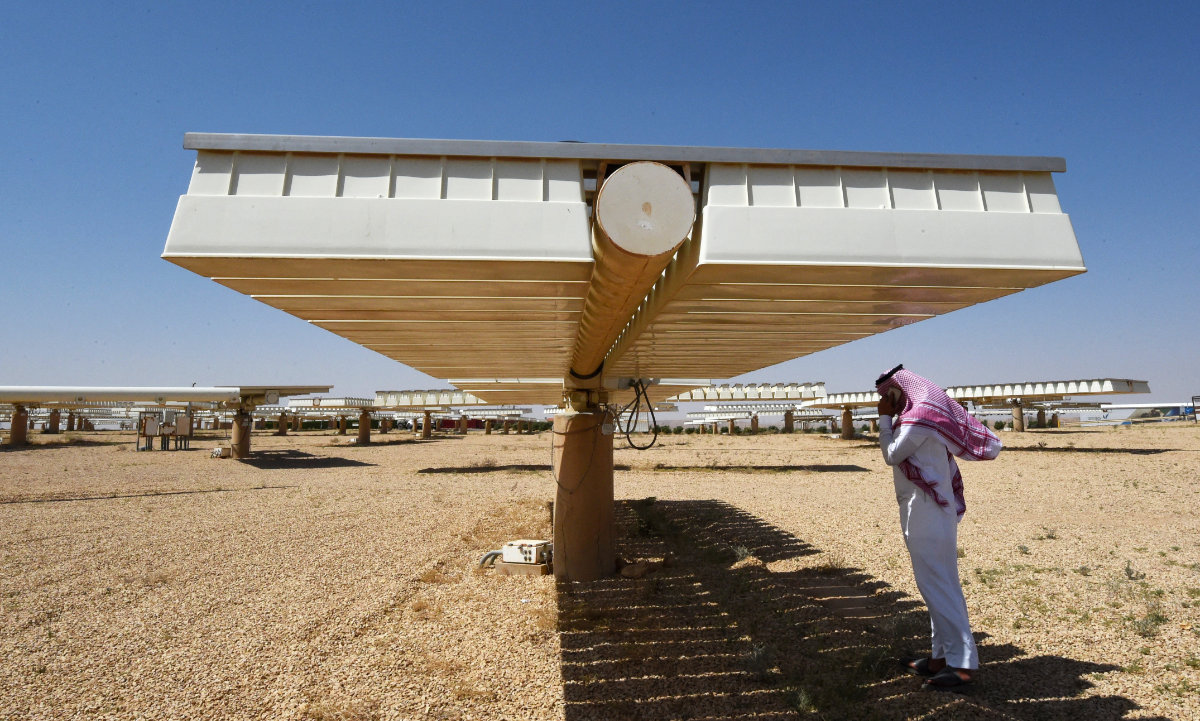
A view of the solar plant in Uyayna, north of Riyadh, on March 29, 2018. (AFP/File)
Inaugurated in 2021, the Sakaka Solar Power Plant in Al-Jouf uses photovoltaic technology. Made up of more than 1.2 million solar panels arranged across 6 sq. km, it produces low-cost energy at just $0.023 per kWh.
Besides using photovoltaic cells to capture the sun’s rays, another method is thermal solar energy, where mirrors focus sunlight in a specific spot to collect and concentrate it, allowing for the production of very high temperatures, which are used to generate electricity.
Hydro
Although Saudi Arabia’s hydropower potential is limited due to its limited moving bodies of water, the country does have some small-scale hydroelectric facilities.
The Baisha Dam in the southwest generates about 2.1 MW of power. Saudi Arabia is also investigating the potential for pumped storage hydropower projects.
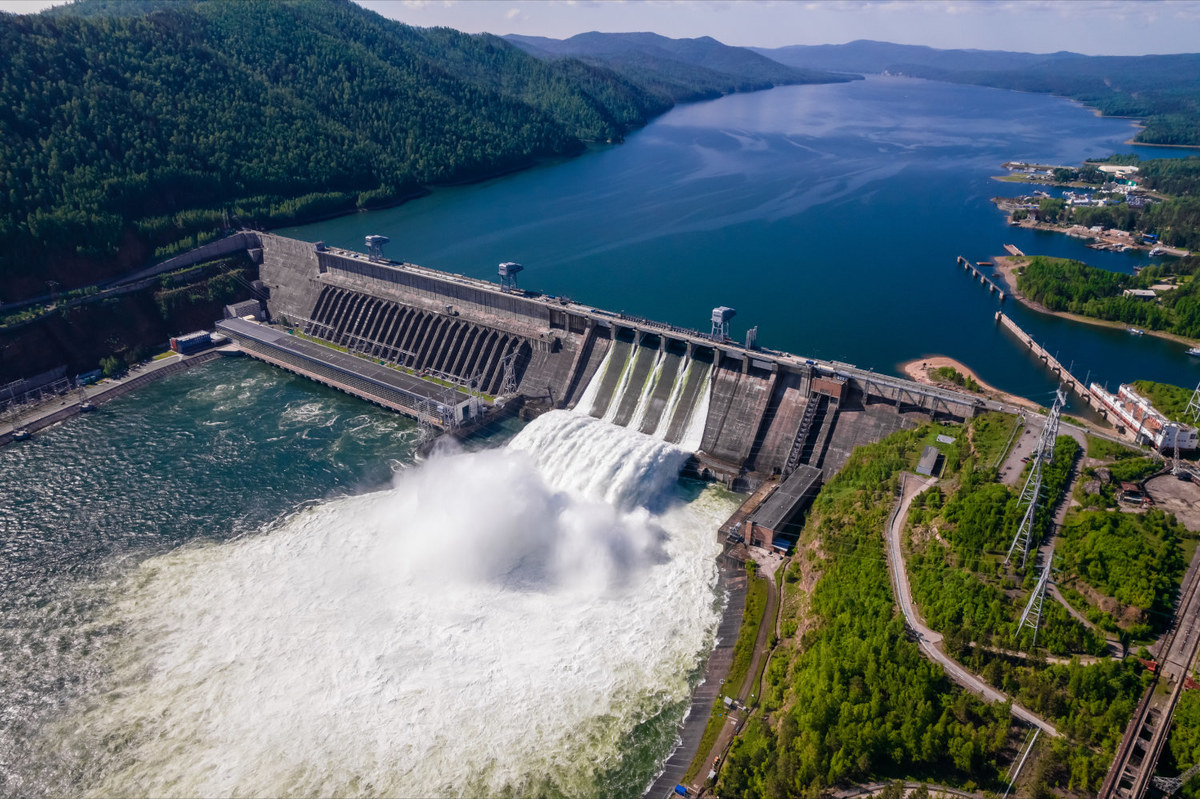
Saudi Arabia also has some small-scale hydroelectric facilities. (Shutterstock photo)
Geothermal
Saudi Arabia has begun to explore its geothermal energy resources, particularly in the volcanic areas of the Hijaz and Asir mountains.
Pilot projects are underway to assess the viability of geothermal power generation in the Kingdom. Early estimates suggest a potential of up to 3 GW of geothermal capacity.
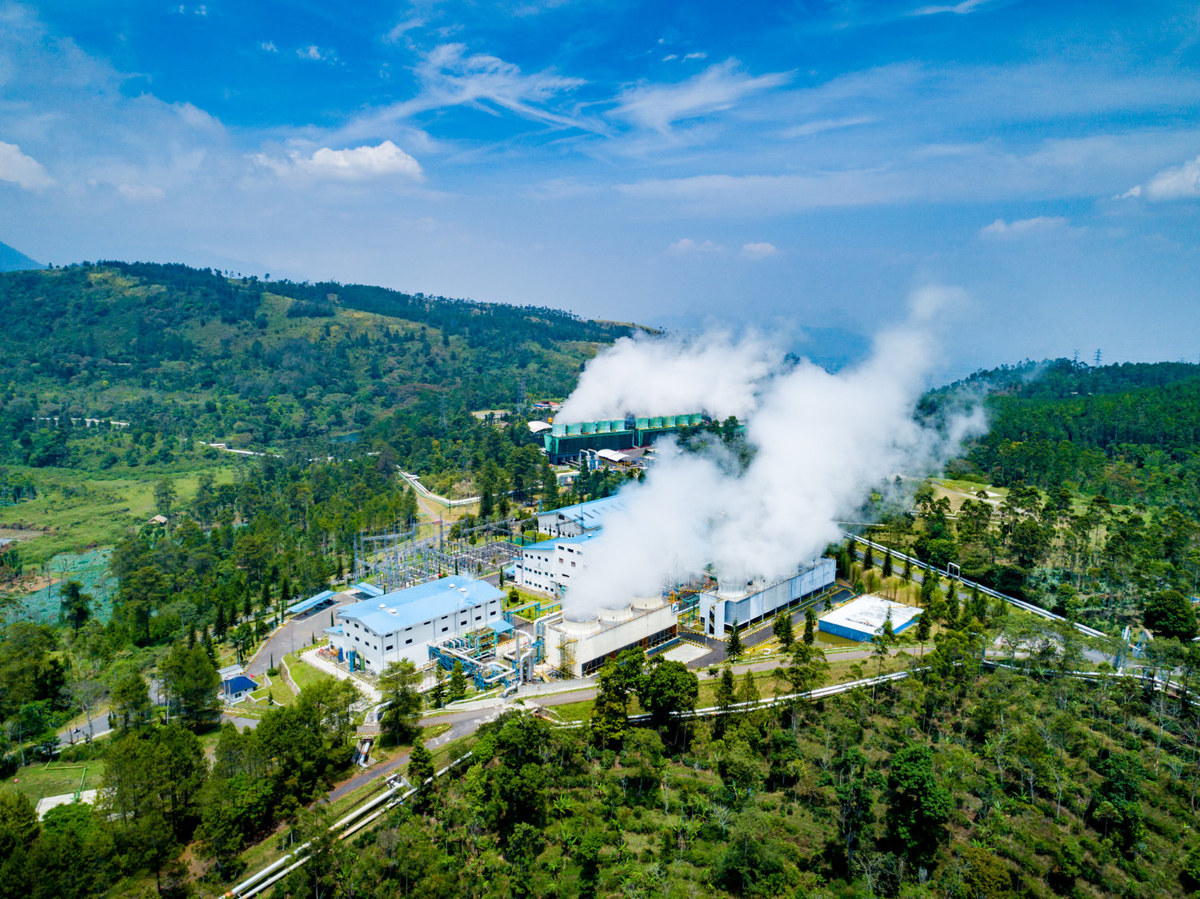
Aerial View of Kamojang Geothermal Power Plant in Garut, West Java, Indonesia. (Shutterstock)
Bio
Saudi Arabia has made strides in developing its bioenergy sector, focusing primarily on biofuels.
The Kingdom aims to produce 9.5 million liters of bioethanol and 0.3 million liters of biodiesel annually by 2030. Agricultural and municipal waste-to-energy projects are also being explored.
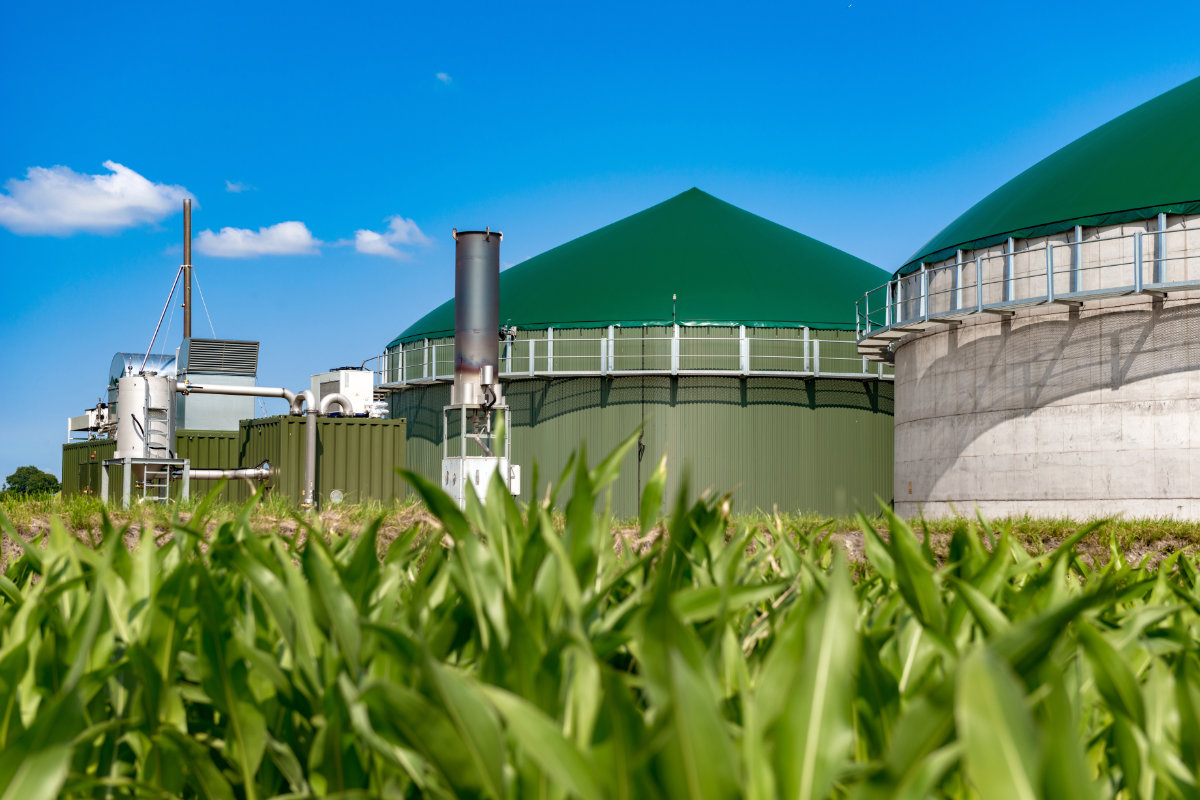
Biogas plant behind a corn field. (Shutterstock photo)
Wind, biofuels, geothermal, and thermal solar energy all use the kinetic energy produced by these resources to move turbines, either directly or by heating water to create steam, thereby generating electricity.
Saudi Arabia’s Ministry of Energy has been the driving force behind the country’s renewable energy transformation.
Opinion
This section contains relevant reference points, placed in (Opinion field)
The ministry has set clean energy targets, launched competitive bidding for projects, and partnered with local and international stakeholders to develop a robust renewable energy sector.
Through strategic policies, dedicated funding, and collaborative efforts, the Ministry of Energy has been instrumental in positioning Saudi Arabia as a regional leader in the global shift toward sustainable power generation.
DID YOUKNOW?
Saudi Arabia is developing some of the world’s largest solar projects, including its Sakaka plant in Al-Jouf.
The Kingdom is developing large-scale wind farms, such as the 400 MW Dumat Al-Jandal wind project.
It is also exploring the potential for ‘green hydrogen’ — produced using renewable energy sources.
The ministry’s comprehensive approach to renewable energy integration has been crucial in diversifying the Kingdom’s energy mix and securing its long-term energy future.
Much of this success, however, is owed to Saudi Arabia’s geography, said Aldous of the Mishkat Interactive Center.
“The Kingdom is characterized by an abundance of renewable energy resources,” she said, “highlighting solar energy and wind energy as the main two green energy resources with great potential.”


