

Resin art shines at third Hail House Festival

1 / 2
Resin art is a modern handcraft which involves blending liquid resin with a hardening agent to create shapes. (SPA)
2 / 2
Resin art is a modern handcraft which involves blending liquid resin with a hardening agent to create shapes. (SPA)
Short Url
Updated 05 July 2024
Follow

Resin art shines at third Hail House Festival

  • The festival aims to introduce visitors to ancestral lifestyles, showcasing traditional food, clothing, housing and everyday life practices, while also presenting various regional and external folk arts and shows

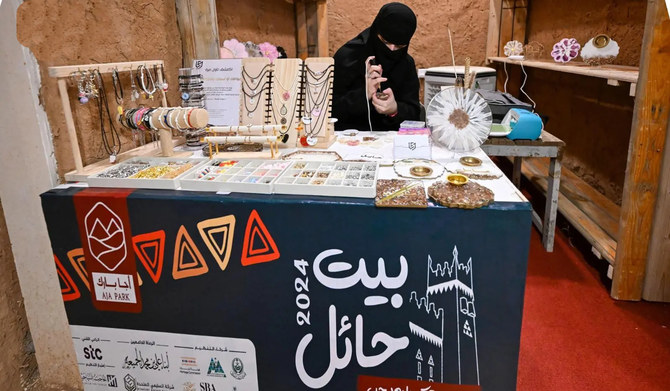
RIYADH: The resin art pavilion at the “Hail House,” themed “Your Home Away from Home,” now in its third year, has become a major attraction at the Aja Park during its 30-day run.

The Saudi Press Agency reported that visitors of all ages, drawn to this distinctive art form, have flocked to the pavilion amid the festival’s traditional and artistic atmosphere.


Resin art is a modern handcraft which involves blending liquid resin with a hardening agent to create shapes. (SPA)

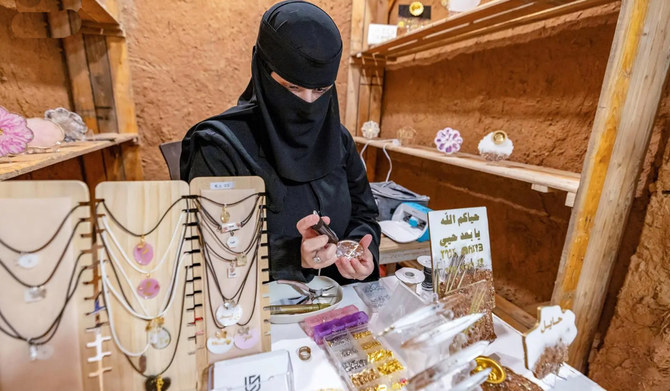
Resin art, a modern handcraft, involves blending liquid resin with a hardening agent to create solid, aesthetically pleasing shapes used in various applications.

Artist Layla Saleh Al-Shammari, who has been perfecting the craft for five years, showcased a diverse range of creations including women’s accessories, office and home decor, wall art, pens and serving platters.

HIGHLIGHT

The festival also features popular folk art performances, including the Saudi Ardah and Samri dances.

Her work incorporates techniques such as sea wave and shell imitations, geode stone replications, and the integration of natural materials such as plants and flowers. Al-Shammari also highlighted her use of local elements such as coffee, cardamom and the red sands characteristic of the Hail region, as well as palm fronds and Thamudic inscriptions.


Resin art is a modern handcraft which involves blending liquid resin with a hardening agent to create shapes. (SPA)

Al-Shammari outlined the financial viability of her craft due to its high demand, expressing gratitude to the festival organizers for the opportunity to exhibit these handcrafted items in a heritage setting.

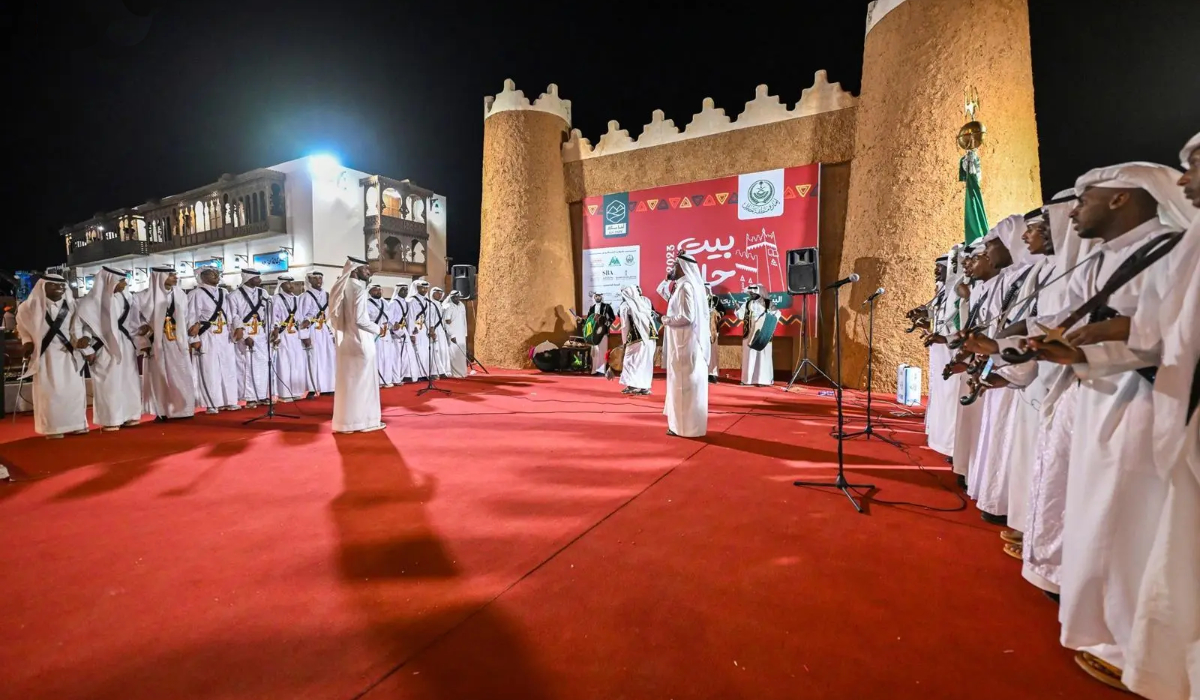
The festival also features popular folk art performances, including the Saudi Ardah and Samri dances, which have captivated visitors with their traditional sword dances and chants.
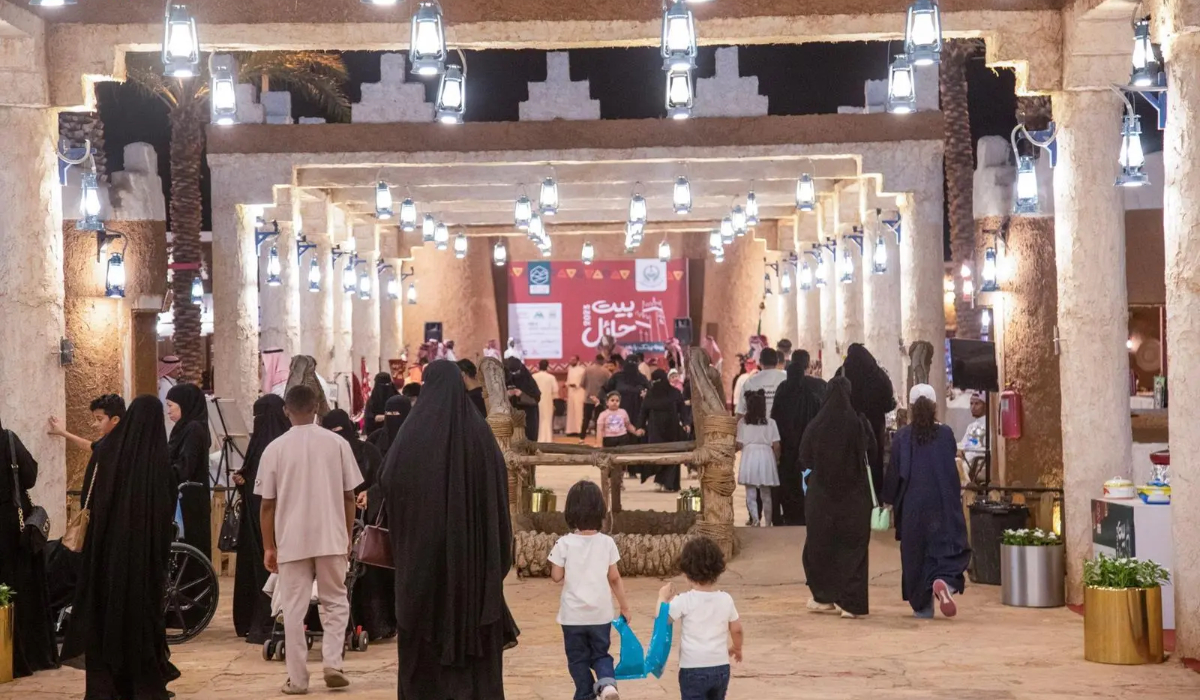


Resin art is a modern handcraft which involves blending liquid resin with a hardening agent to create shapes. (SPA)

Marsal Al-Marsal, head of the Hail Folk Arts Group, said that “over 30 young performers present eight daily shows, incorporating national themes and traditional instruments like drums and swords.”

The performances showcased traditional Haili arts featuring aerial maneuvers, drums, swords and banners, reaffirming the enduring appeal of Haili folk arts at such festivals among enthusiasts of regional heritage.
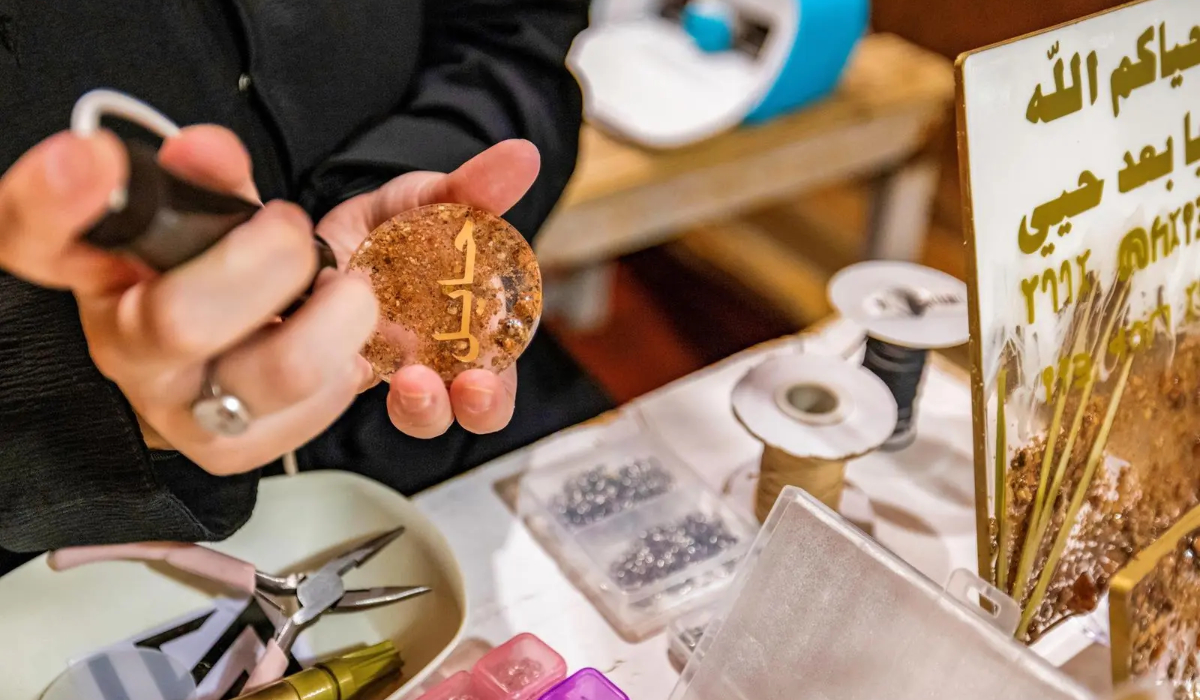


Resin art is a modern handcraft which involves blending liquid resin with a hardening agent to create shapes. (SPA)

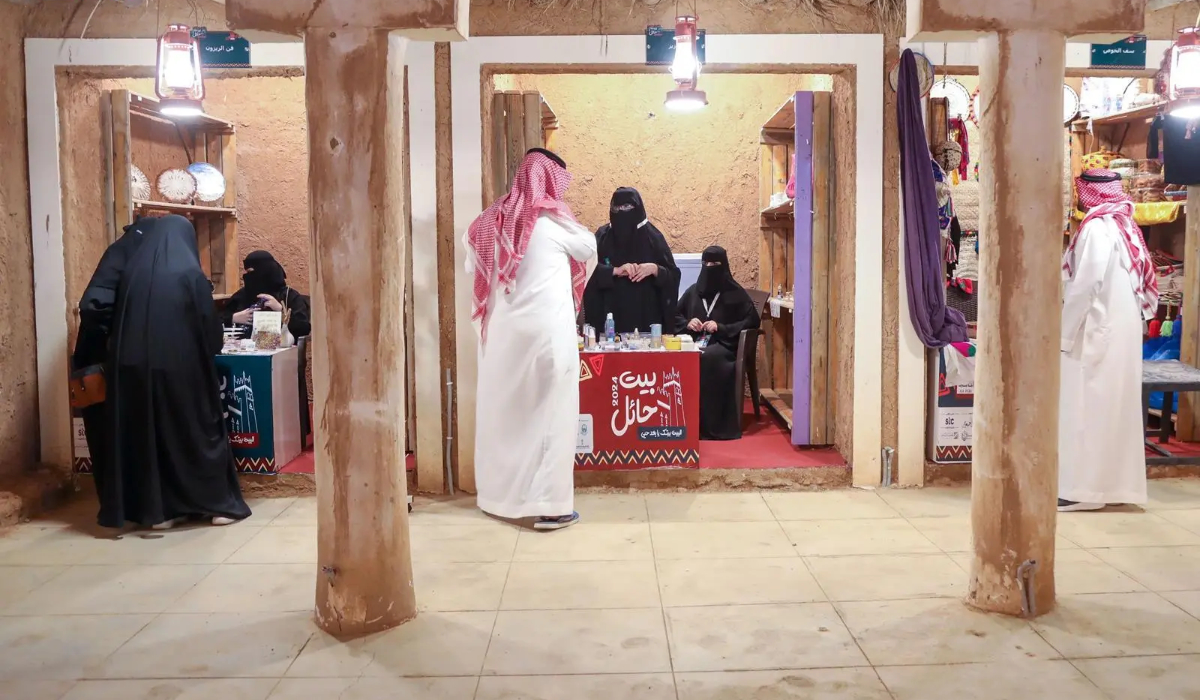
The festival aims to introduce visitors to ancestral lifestyles, showcasing traditional food, clothing, housing and everyday life practices, while also presenting various regional and external folk arts and shows.

This year, the Madinah region, represented by Yanbu governorate, is also participating with a special pavilion.

Faisal bin Salem Al-Juhani, the pavilion supervisor, explained that it featured Hijazi architecture, including two 150-year-old houses that demonstrated the distinctive and renowned “rawashin” (projecting oriel windows) of the region. These prominent windows, measuring between 60 cm to more than one meter, not only served ventilation purposes but also enhanced the aesthetic appeal and provided wide vistas for the household members.

The Madinah pavilion includes models of old Madinah neighborhoods, a fully equipped traditional fishing boat representing the western coast, and displays of traditional utensils, clothing and heritage models.

According to Al-Juhani, “the participation aims to promote Saudi cultural heritage, particularly that of the Madinah region.”

Al-Juhani thanked the organizers for providing the platform and opportunity for participation in these well-received events over the past three events. He said that he looked forward to future engagements at Hail House.


Saudi Reef has played key role in empowering rural communities, says spokesperson

Updated 55 min 1 sec ago
Follow

Saudi Reef has played key role in empowering rural communities, says spokesperson

  • Program has benefited more than 90,000 rural families, enabled productive projects
  • Majed Al-Buraikan: The eight sectors supported by the Saudi Reef program help diversify agricultural production, support sustainable use of resources and improve supply chains

JEDDAH: The Saudi Reef program has played a key role in strengthening food security and empowering farmers and rural families across the Kingdom since its launch in 2019.

The program forms part of Saudi Arabia’s broader efforts under Vision 2030 to support sustainable agricultural development, diversify the economy, and enhance the contribution of rural communities to national growth.

Majed Al-Buraikan, the official spokesperson for Saudi Reef and its director of corporate communications and media, told Arab News that the program had made a positive impact in rural communities.

He said: “It has empowered small farmers and rural families to develop their agricultural projects and increase productivity.

“This support has helped strengthen food security, improve the use of resources, and support the long-term sustainability of the agricultural sector, in line with Vision 2030 goals to diversify the economy and develop rural areas.”

Through targeted support across eight priority agricultural sectors — including Saudi coffee, value-added development, livestock, rainfed crops, beekeeping and honey production, aromatic plants, fisheries, and fruit — the program focuses on enhancing the sustainability of these sectors to achieve empowerment and stability for rural families.

Al-Buraikan added: “The eight sectors supported by the Saudi Reef program help diversify agricultural production, support sustainable use of resources and improve supply chains.

“This diversity supports economic stability in rural areas, encourages balanced growth, and helps build a flexible rural production system that can expand over time.”

By benefiting more than 90,000 rural families and enabling productive projects rooted in local communities, the program has also opened up new economic opportunities for women and youngsters, supported entrepreneurship, and improved productivity across the rural sector.

Al-Buraikan said: “This shows the wide developmental impact of the Saudi Reef program and its strong geographic and social reach.

“It demonstrates the ability of rural areas to become productive economic spaces.

“This expansion has improved income levels, strengthened social stability in rural areas, and increased the contribution of agriculture to the national economy.”

The program has helped make rural work a competitive economic option by improving agricultural productivity, supporting a wide range of sectors, and enabling beneficiaries to access local and global markets.

The program announced in 2025 that the market value of production across its sectors had exceeded SR5.6 billion ($1.49 billion) since its launch.

Al-Buraikan said: “This reflects the strong economic potential of rural investment and its role in supporting the national economy, food security, and sustainability goals under Vision 2030.”

The Sustainable Reef initiative was launched in September 2025 to highlight the significant impact the program had made in supporting rural communities and enhancing agricultural and economic sustainability across various regions of the Kingdom.

Al-Buraikan said the initiative was a development-focused media extension of the Saudi Reef program.

“It highlights the real impact of government support through inspiring success stories that show how rural projects have become sustainable, productive businesses,” he said.

“What makes it different is that it goes beyond traditional support by building public awareness of the value of rural areas as promising economic and investment contributors.”

Saudi Reef has helped position rural work as a competitive and sustainable economic option, reinforcing its role in driving long-term development across the Kingdom.

The program has also empowered women in rural areas by opening new opportunities in agricultural activities while providing sustainable sources of income.

Al-Buraikan said: “It has also supported young people through an integrated entrepreneurship system that includes incubators, accelerators, and training programs, helping to turn rural ideas into productive projects led by and benefiting rural communities.”

In addition, the program supports Vision 2030 by empowering farmers, increasing local production, and building a sustainable agricultural sector that contributes to food security and economic development.

Demonstration farms serve as practical platforms where farmers can observe modern agricultural practices, learn improved production methods, and adopt modern technologies, thereby increasing efficiency and improving crop quality.

Al-Buraikan said: “The program balances agricultural production with environmental protection by promoting smart agriculture, improving resource use, and linking production to modern technologies. The program ensures agricultural growth while protecting the environment.”