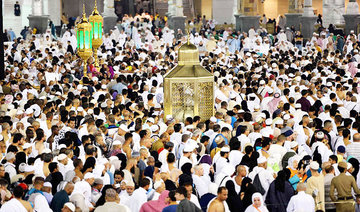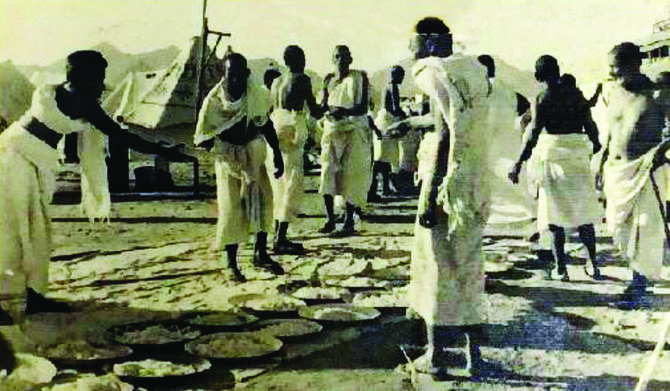

RIYADH: During the sacred days of Hajj, Makkah witnesses an influx of pilgrims and locals themselves engage more fervently in Islamic practices such as prayer and fasting.
Sami Al-Alwani, a local citizen, enjoys the spiritual aspects of the pilgrimage and says the Hajj season is unlike any other month.
“This annual tradition of welcoming, joy and enthusiasm with which we receive the pilgrims of the House of God is passed down from generation to generation,” he told Arab News.
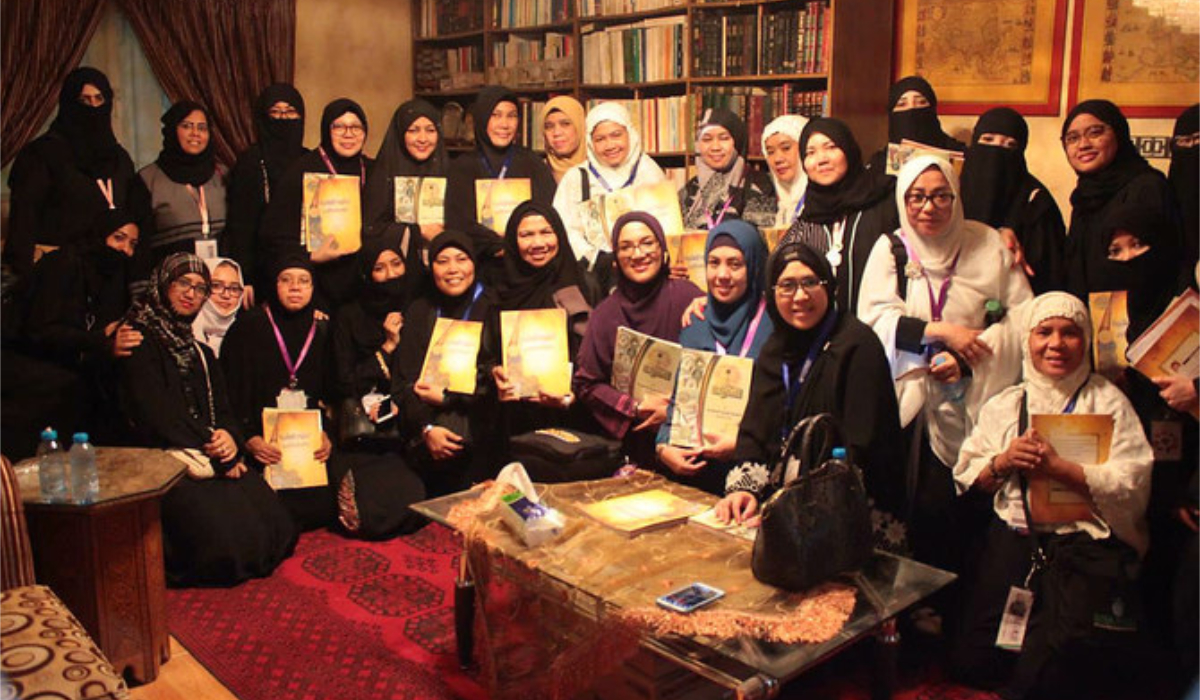
Muttawwif Wejdan Buqas with Malaysian pilgrims after Hajj. (Supplied)
The arrival of pilgrims also means a peak in economic activity and boost for local employment.
Al-Alwani added: “One significant economic aspect we notice is the full occupancy of hotels, leading to a noticeable economic boost in restaurants and services.
HIGHLIGHTS
• Locals of Makkah, including young men and women, volunteer through available programs to assist and guide pilgrims.
• The sacred time of Hajj also brings forth the deep- rooted compassion and friendliness that are hallmarks of the people of Makkah.
“We have numerous job opportunities during Hajj to assist pilgrims and work with them in Mina, Arafat, Muzdalifah and the train station. We also serve as their supervisors and assist them in completing their Hajj obligations. Many volunteers, including young men and women from Makkah, participate voluntarily through available programs.”
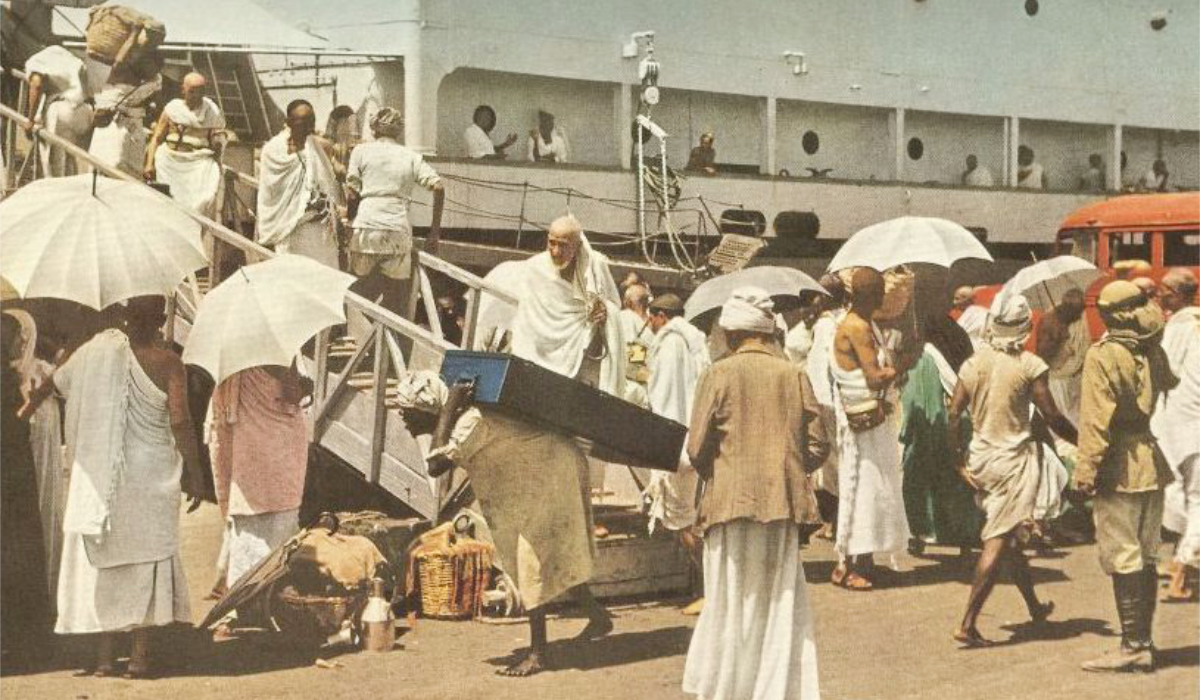
Residents of Makkah have historically played a crucial role in hosting and supporting the millions of Muslims who come to perform Hajj. (Supplied)
Al-Alwani added pilgrimage routes and traffic patterns in recent years had had no negative effects for Makkah’s population.
Wejdan Buqas is a female mutawwif — someone who leads pilgrims in the traditional rites and prayers of Hajj and Umrah — who says she used to offer to drive people to Mount Hira and other holy locations.
“Back in the 1980s, we used to greet pilgrims, let them stay in our homes, and transport them to the Al-Tanaim Mosque, Al-Maala Cemeteries, and Hira Mountain. We used to also take them to private, tiny museums that highlighted Makkah inhabitants’ customs, such as telling them about our Eid celebrations,” she said, adding such activities were now streamlined by the government.
Due to the high volume of pilgrims, nearby companies and service providers were set up to meet their needs by providing lodgings, transportation, medical care, and guidance. The sacred time of Hajj also brings forth the deep-rooted compassion and friendliness that are hallmarks of the people of Makkah.
Bakur Hemdi is a Makkah native from a long lineage of muttawifs, including his grandfather and father. He followed in their footsteps and took up the role when he was 21 years old.
“As a mutawwif, my role goes beyond just guiding the pilgrims through the rituals and ceremonies of Hajj and Umrah,” he said.
“I’m a cultural ambassador, helping them navigate the intricacies of Makkah’s landscape and ensuring they can fully immerse themselves in the spiritual journey they’ve come to undertake.”
He added: “Through my interactions with pilgrims from diverse backgrounds, I've gained a deep appreciation for the richness of their traditions and the shared devotion that unites them in their pursuit of spiritual enlightenment. I take great pride in upholding the legacy of my ancestors, while also adapting to the evolving needs of modern-day pilgrims.”
Hayat Eid, who also comes from a family of mutawwifs, said everyone in Makkah mostly worked during Hajj or, if not, they traveled.
“We make a profit of a whole year during Hajj season, so many people will not miss that opportunity,” she said. “We also remark to each other, ‘Hajj wala dajj?’ which translates to ‘Are you working in Hajj or are you fleeing?’ which is a humorous statement.”
She added many women participated by preparing treats like maamoul cookies and date cakes to share during Eid.
Every activity contributes to the Hajj season, a time of great spiritual significance and community engagement for the residents of Makkah who play a crucial role in hosting and supporting the millions of Muslims who come to perform this important religious duty.