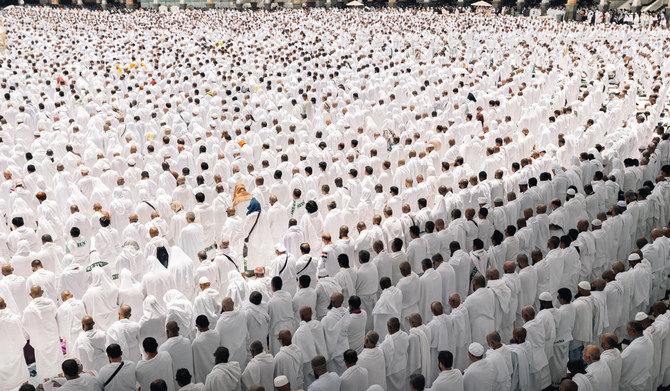

RIYADH: One of the five pillars of Islam, Hajj is a physically taxing yet spiritually rewarding journey — and completing it is considered a great blessing and honor in the Muslim community.
Previous Hujjaj, or Hajj pilgrims, spoke to Arab News about their experiences and offered advice to those embarking on it this year.
For Makkah local Hatoon Nabeel, Hajj was a spiritual and unforgettable experience.
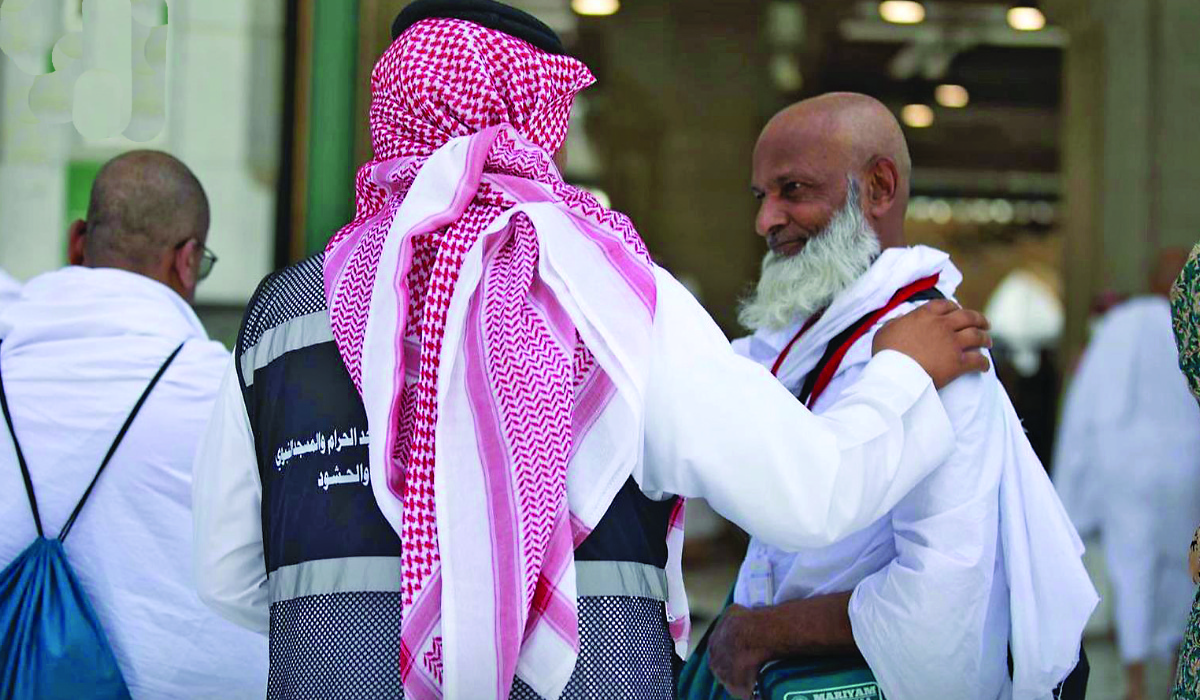
The Hajj pilgrimage is among the five pillars of Islam and must be undertaken by all Muslims with the means at least once in their lives. (SPA)
“The best part was the services provided to the pilgrims. We did not feel hungry or thirsty,” she said. The trickiest situation she could recall was when they had to vacate the area over safety concerns due to sudden rain.
Nabeel advised comfortable clothes and cool fabrics that allow freer movement in the heat, and said Hajj gave her a sense of purity and new beginnings.
“I have a different awareness now that will make my experience more profound (next time). Perhaps I would mingle more with my pilgrim sisters and take a lot of pictures,” she said.
HIGHLIGHTS
• Hatoon Nabeel, a Makkah local, advised wearing comfortable clothes and cool fabrics that allow freer movement in the heat.
• She said Hajj gave her a sense of purity and new beginnings.
• Haifa Al-Tuwaijri recommends coming with a clear intention, vulnerability, and to set your awareness and heart on the experience you are about to have.
Born and raised in Makkah, Rabab Abbas Matar was assigned to lead one of the field service centers of the Company of Mutawifs for Pilgrims from African Non-Arab Countries.
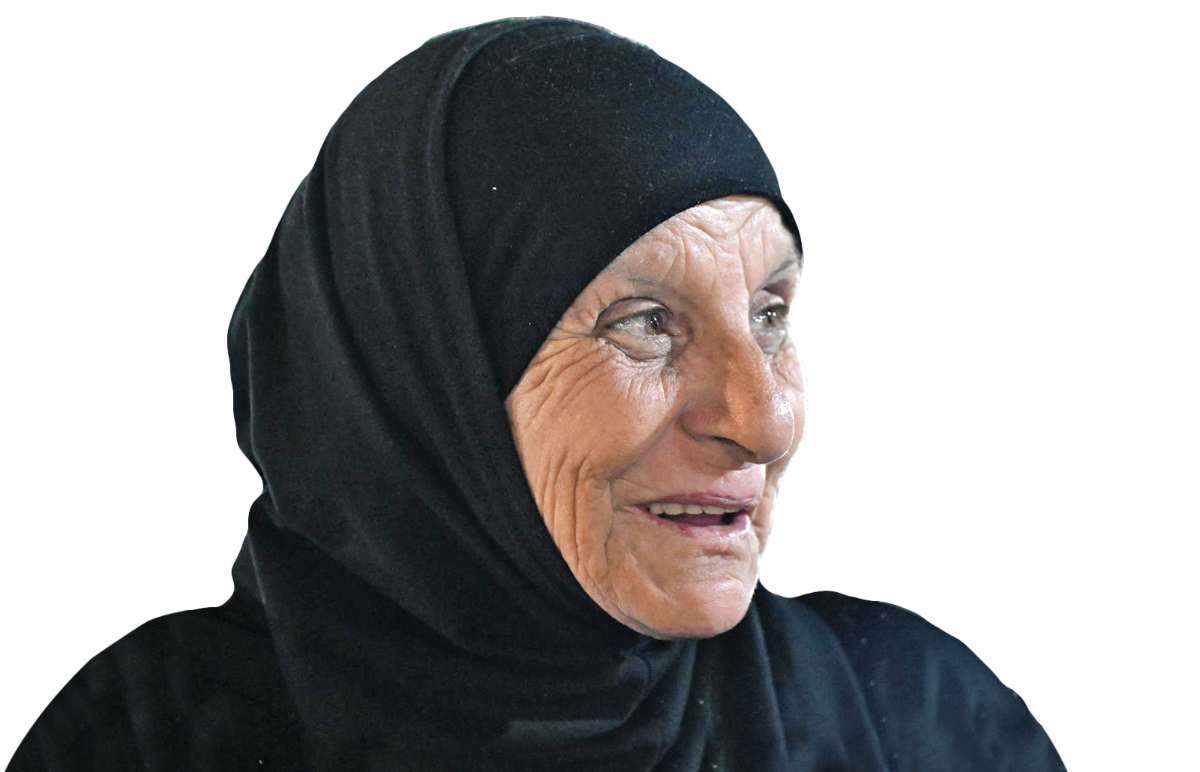
The Hajj pilgrimage is among the five pillars of Islam and must be undertaken by all Muslims with the means at least once in their lives. (SPA)
“I inherited the profession of tawaf from my father and from my grandmother,” she told Arab News. “My father, may God have mercy on him, is a tawaf. He inherited the profession from my grandfather, and I am considered the third generation of tawafs.”
Matar has been around Hajj culture all her life.
“One of (my) beautiful memories is that my father used to dig the ground and put water inside the hole to keep it cold and serve it to the pilgrims,” she said.
Her advice for this year’s pilgrims is to adhere to instructions, maintain the cleanliness of honorable places, ensure the comfort of others and yourself, and treat people as you would like to be treated.
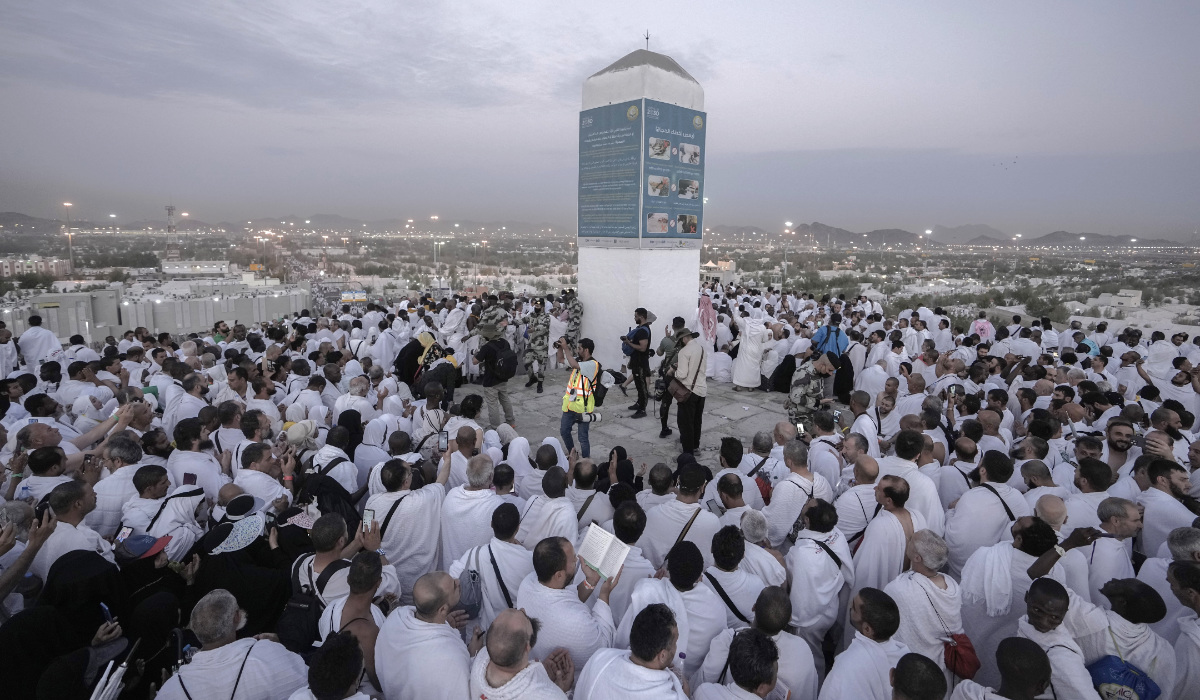
Muslim pilgrims gather at top of the rocky hill known as the Mountain of Mercy, on the Plain of Arafat, during the annual Hajj pilgrimage, near the holy city of Makkah, Saudi Arabia. (AP file photo)
She also recommends enriching the experience after completing the Hajj rituals by touring archaeological and historical sites with licensed Ministry of Tourism expeditions.
On a personal level, Matar said performing Hajj and assisting other Hujjaj has increased her self-confidence and helped her overcome fears and challenges, such as learning how to communicate with all ages and nationalities, working under pressure, and adapting to unusual circumstances.
Haifa Al-Tuwaijri, a self-proclaimed explorer, said she went to Hajj out of curiosity and desire alongside her extended family and friends. There were challenges around travel and using foreign facilities, but they provided many opportunities for growth outside her comfort zone.
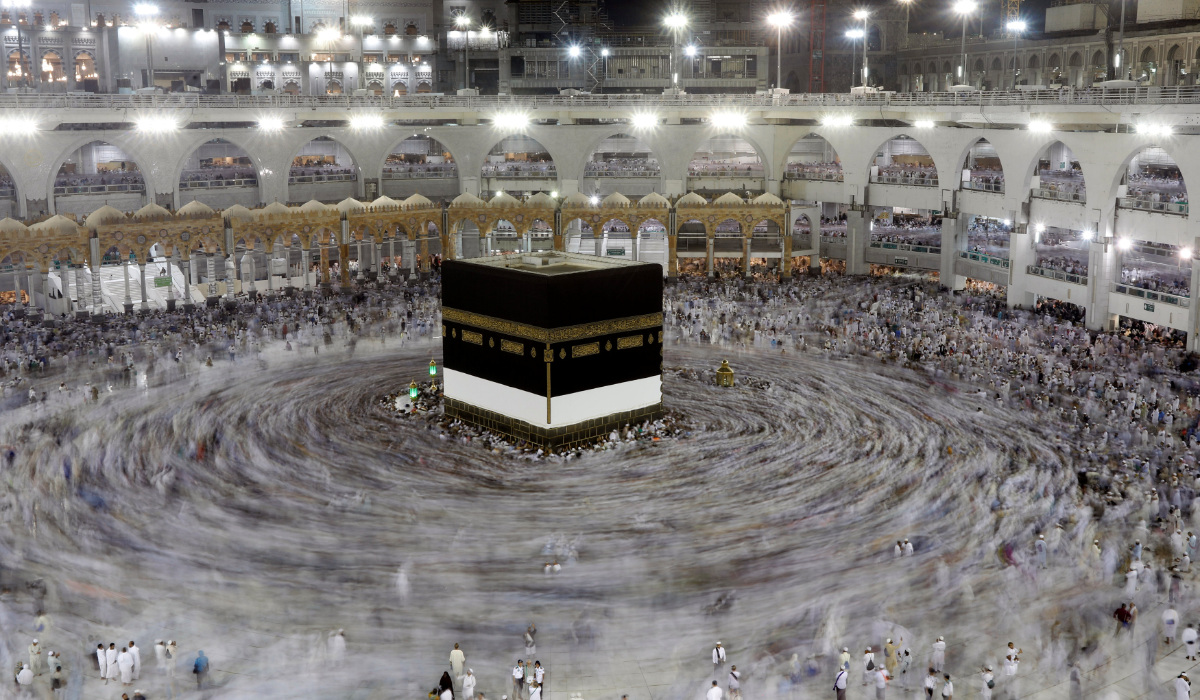
Muslim pilgrims circle the Kaaba at the Grand mosque ahead of the annual Hajj pilgrimage, in Makkah, Saudi Arabia. (REUTERS file photo)
The Riyadh local first experienced Hajj at the age of 16, but she plans to go again as an adult.
“I want to be more present and spend more time alone,” she explained. “In the hamla there are a lot of group activities, like group lectures and prayers … I wanted this (time) to be more intimate between me and God. Maybe I was too young for that, but I would definitely do that in my next Hajj.”
Her number one tip is to come with a clear intention, vulnerability, and set your awareness and heart on the experience you are about to have.
Plan your activities and Hajj steps mindfully … Be mindful of what you’re wearing in terms of the weather, mind the rush hour, and look for others in your group.
Haifa Al-Tuwaijri, Riyadh local
“Immerse yourself in this one-of-a-kind activity that has been a holy ancient practice,” she said. “People from different backgrounds and languages are all unifying and doing the same practice, it’s very holy.”
While the main locations will be crowded and hot, there are ways to make it easier.
Al-Tuwaijri said: “Make sure you’re helping yourself. The activities that aren’t time-based, try to do them before or after the rush hour, so you’re not over-exhausting yourself by going out at the wrong time or (when) the weather is too harsh.
“Plan your activities and Hajj steps mindfully. You don’t have to suffer. Be mindful of what you’re wearing in terms of the weather, mind the rush hour, and look for others in your group.”
In his multiple years of performing Hajj, Abdullah Samarin, who is from Madinah, has found commonality in each experience, observing how people are willing to help in every sector, even the Hujjaj themselves, seeking God’s credit and nothing else.
He has always enjoyed the happiness, prayers and greetings shared after people have helped each other, with some making life-long connections. He dreads the seventh and eighth days of Hajj, when it is time to say goodbye.
“You just spent a week with people that you didn’t know and became honored to have them in your life as family,” he told Arab News. “My advice is to keep calm in every moment and seek ajar (reward) from Allah for everything you may face … (and) forgive and excuse others for their behavior due to the heat or the crowd.”
He added: “My tip to be prepared for Hajj is getting a portable air fan that will cool down your body while walking from one place to another.”
His sister, Ithar Samaren, said her Hajj was like nothing she had experienced before.
“Your body and brain have no weight, you only carry the weight of your soul,” she said. If she were to go again, she added, she would “hold on to the newborn feeling for a longer time than the last.”
Their other sibling, Israa, said the best part of Hajj was the sense of unity with people from different countries, ethnicity, background, and languages. The worst was the heat, she added, suggesting that pilgrims bring an umbrella and wear comfortable, flowing, cotton clothes. Following the rules and instructions of the Mutawif also made for a safe and easy experience.