
RIYADH: Saudi Arabia has signed a deal to establish a logistics zone in the port of Djibouti, leveraging Africa’s gateway to propel the Kingdom’s products and exports, fostering economic interplay.
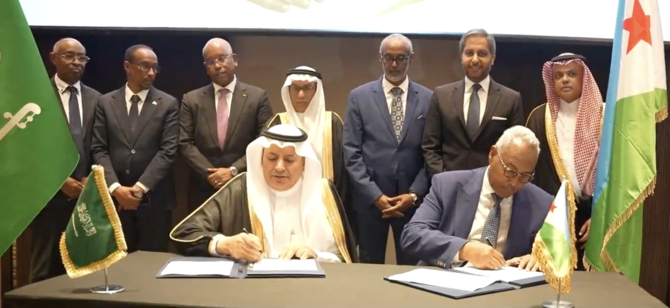
During a delegation visit of Saudi investors to the capital city of the East African country, the contract was signed by Hassan Al-Huwaizi, president of the Federation of Saudi Chambers, and Aboubaker Omar Hadi, chairman of Djibouti Ports and Free Zones Authority.
Under the leadership of Al-Huwaizi, the delegation, including over 100 entrepreneurs and government representatives, came together to advance this transformative initiative.
The 92-year contract for the logistics zone, spanning an expansive area of 120,000 sq. m. in its inaugural phase, underscores a pivotal milestone in Saudi-Djibouti economic relations.
The Saudi logistics city, serving as a nexus for commerce and innovation, is positioned to strengthen the Kingdom’s economic presence across the African continent, as reported by the Saudi Press Agency.
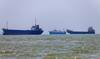
Djibouti’s port, strategically located as Africa’s gateway, facilitates the expansion of Saudi products and exports into new markets, promoting robust economic interplay.
Simultaneously, the Saudi-Djibouti Business Forum, attended by over 300 stakeholders, unveiled a range of investment opportunities, highlighting Djibouti’s appeal as a free zone.
In return, Djibouti authorities have promised equal treatment for Saudi investors, guaranteeing fair opportunities across sectors, from renewable energy to technology.
This collaborative effort emphasizes a steadfast commitment to fostering lasting economic cooperation between the two nations.
In February, Djibouti’s president reaffirmed his country’s dedication to promoting maritime security in the Red Sea.
Ismail Omar Guelleh noted that the East African nation was collaborating with major powers, including Saudi Arabia, to ensure safe passage for international shipping in the Bab El-Mandeb and the Gulf of Aden.
He emphasized that Djibouti’s strategic position made it a key player in facilitating global trade, mentioning cooperation with nations such as the US, France, the UK, and Red Sea coastal states, especially Saudi Arabia, in counterterrorism efforts and maritime security.
Guelleh had underscored Djibouti’s longstanding ties with Saudi Arabia, dating back to 1977 when his country gained independence.
The president added that Djibouti aimed to further enhance collaboration with Saudi Arabia, especially in maritime transport, logistics, and port services, building on significant progress in port development.
Dya-Eddine Saïd Bamakhrama, Djibouti's ambassador to Saudi Arabia, told Arab News: “This contract, signed between the Ports and Free Zones Authority of Djibouti and the Saudi Investors Alliance, will make it possible to create the largest logistics city outside the Kingdom.
“This Free Zone will facilitate access for Saudi products and exports to a large number of African countries.”