


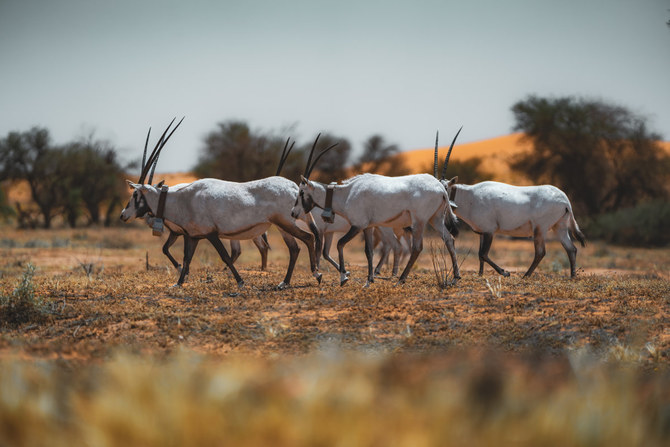

JEDDAH: The Arabian oryx, a desert antelope native to the peninsula, holds immense cultural significance, evidenced by its many ancient rock-art depictions found throughout the region. And yet, this distinctive species was driven to the brink of extinction.
The Arabian oryx has been rescued from oblivion thanks to the proactive rewilding efforts of Saudi Arabia’s conservationists — reversing the devastating toll that years of overhunting and habitat loss has taken on its fragile population.
While once in critical decline, they can now be found in the wild across Arabia, including in Saudi Arabia’s historic northwestern AlUla region and the northeastern reaches of the Kingdom.
Today, the species is not only a symbol of the heritage of Saudi Arabia and the Middle East but emblematic of environmental renewal.
Their numbers had dwindled dramatically over recent decades owing to overhunting, drought, poisoning, and habitat encroachment as agriculture and human settlements expanded, depriving them of grazing pasture.


In 1972, the last wild Arabian oryx was killed by hunters in Oman. Hunters have long prized the animals for their horns and meat.
To save the Arabian oryx from extinction, international organizations launched a scheme to capture wild specimens and establish breeding centers. With their numbers since restored, groups have been reintroduced into their original habitats.
Saudi Arabia has played a crucial role by establishing specialized breeding centers and veterinary facilities for the Arabian oryx. Many have been relocated to protected areas that best mirror their natural habitats, to help them flourish in the wild.
The creation of the Imam Turki bin Abdullah Royal Nature Reserve in 2018 offered an ideal setting in which the species could multiply. A breeding program established by the reserve in 2021 resulted in a 60-fold increase in the Arabian oryx population by early 2024.
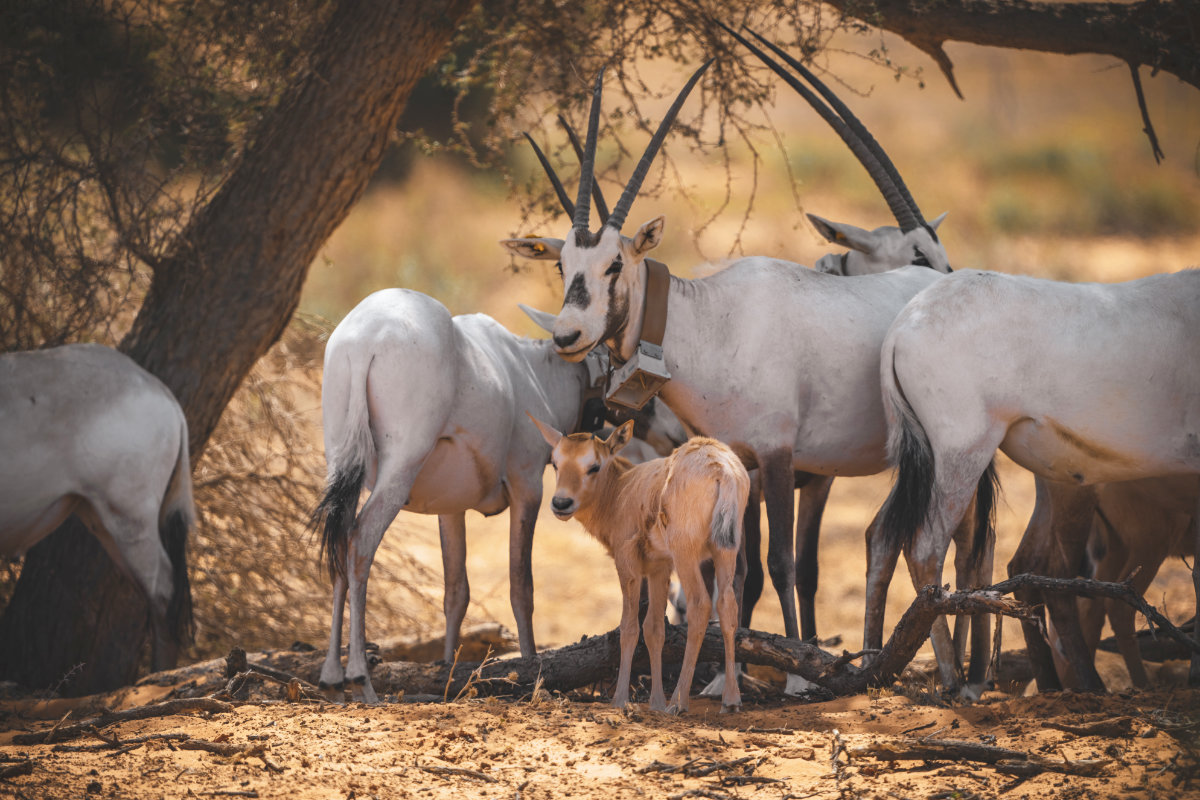
Hunters targeted the Arabian oryx for its horns and its meat, leading to a significant decrease in its numbers. (Supplied)
Abdulmajeed Al-Dhaban, deputy executive vice president of operations at the reserve, said the Arabian oryx’s resilience in its harsh desert habitat is because of its heat-reflective white coat and ability to go without water for long periods.
In fact, the species can survive for up to 11 months without drinking water by obtaining fluids from dew and desert plants.
“The reserve’s conservation efforts extend across various fronts, including collaboration with governmental bodies and local communities to develop regulations protecting the Arabian oryx from poaching and illegal trade,” Al-Dhaban told Arab News.
“Educational campaigns raise awareness about conservation, with schools and local institutions actively involved in educating younger generations.
“Scientific research and monitoring are supported to better understand the Arabian oryx’s needs and develop effective protection strategies. Additionally, sustainable development and ecotourism are emphasized to promote wildlife growth and provide income for local communities, encouraging responsible resource management.
Opinion
This section contains relevant reference points, placed in (Opinion field)
“Partnerships with international organizations further enhance conservation projects, with local communities actively participating in their implementation and training programs.”
Meanwhile, in the Kingdom’s northwest, the Royal Commission for AlUla works closely with its global network of partners, including the International Union for the Conservation of Nature, to secure a future for the Arabian oryx.
“We work with experts in the field to ensure scientifically sound conservation practices, which form the backbone of RCU’s multifaceted approach to protect the Arabian oryx alongside other native species of animals including different species of gazelles and ibex,” Stephen Browne, executive director of wildlife and natural heritage at the RCU, told Arab News.
Last year, the RCU carried out its largest animal release since its reintroduction program was launched in 2019. Held over five phases, 1,580 animals, including Arabian gazelle, sand gazelle, Arabian oryx, and Nubian ibex, were released into AlUla’s nature reserves.
“Since then, we have seen successful births of Arabian oryx in AlUla’s nature reserves as populations grow and take hold in their new environment, proving that our restoration efforts are slowly coming to fruition,” said Browne.
“As more Arabian oryx are released into the wild, and more births recorded, it is hoped that AlUla’s nature reserves can support growing numbers of this important native species.”
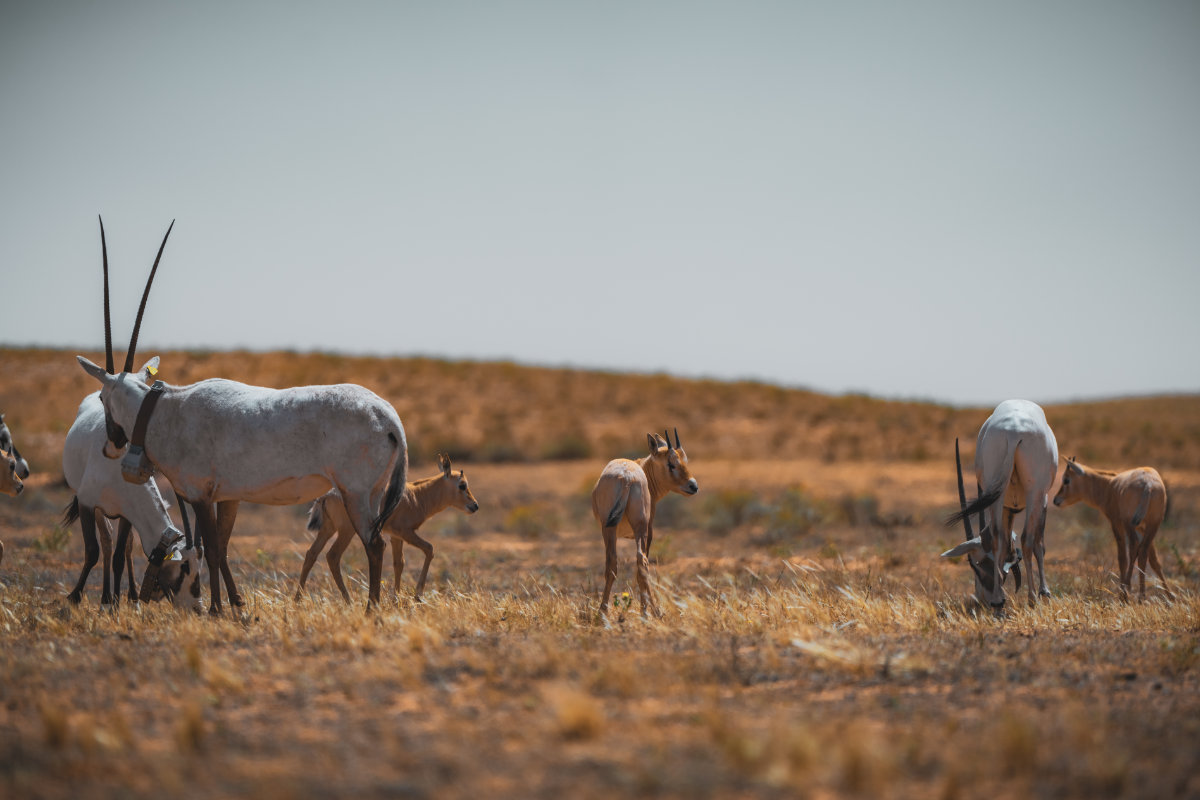
Once close to extinction, these graceful creatures now symbolize environmental renewal and the cultural heritage of Saudi Arabia and the Middle East. (Supplied)
The revival of the Arabian oryx is a part of a concerted, long-term effort by conservation groups, national rewilding programs, and zoos to establish and slowly increase breeding populations before their eventual reintroduction into the wild.
“The RCU releases Arabian oryx into AlUla’s network of nature reserves as part of its comprehensive rewilding strategy that is helping to restore balance to the natural world and revive once-degraded ecosystems,” said Browne.
“Teams from RCU’s wildlife and natural heritage department work to strict guidelines established by our international partners, the International Union for the Conservation of Nature, to ensure all our efforts in the wild are both scientifically sound and follow clear conservation practices.”
Arabian oryx are being reintroduced into AlUla’s nature reserves to help restore the ecological balance. “A total of 250 animals have been released so far,” said Browne. “It is hoped that numbers will increase as populations establish themselves and more wild births are recorded.
“We identify key areas with the correct type and amount of vegetation to support newly-released animals, and to make sure we aren’t over-releasing new populations into one location.
“Arabian oryx have quite specific habitat requirements. They don’t like the steep canyons and mountains found in some of AlUla’s nature reserves and prefer more open, sandy areas.
As a result of releasing the Arabian oryx, we have seen native plants and vegetation rebounding and soil being restored.”
He added: “Our conservation work in AlUla focuses on inclusive initiatives that engage with local people, with community members offered opportunities to train as rangers to keep our vast reserves safe, secure, and monitored.”
The RCU, with its sustainable land-management programs, rehabilitate degraded sites, manage rangelands, and combat desertification, supporting the return of native species like the Arabian oryx.
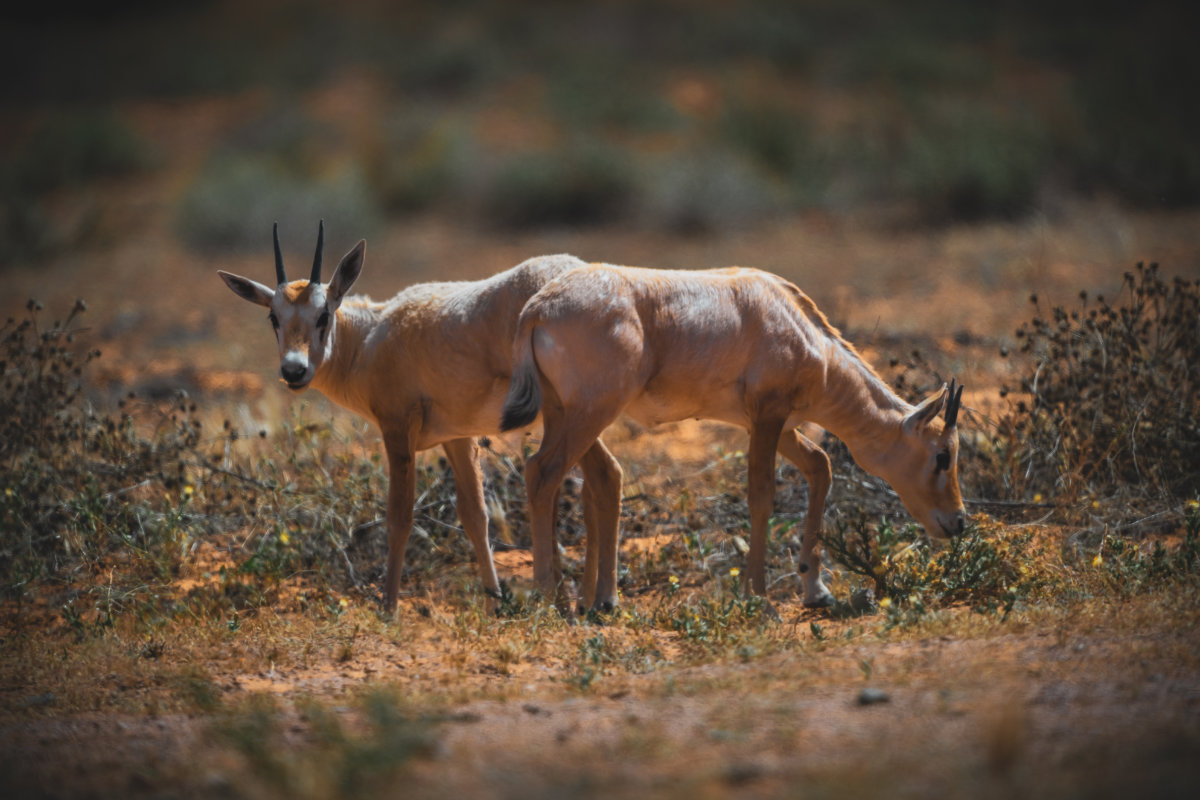
The Arabian oryx’s heat-reflective white coat and the fact that it requires minimal water make it ideally suited for the harsh desert environment. (Supplied)
Its partnership with the Prince Mohammed bin Salman Royal Reserve Development Authority has strengthened collaboration on wildlife protection and sustainable regeneration.
Restoring natural habitats includes the extensive planting of native species of flora — with seeds from the RCU’s seed bank and plant nursery aiding the long-term recovery of vegetation across the landscape.
The RCU has therefore played a key role in regreening the valleys, wadis, and mountains of AlUla, replenishing the soil, and making the environment more hospitable and fertile for animals.
In AlUla’s nature reserves, populations of Arabian oryx and other animals are monitored using satellite-linked collars and tracking technology. More than 150 rangers, all drawn from the local community, carry out regular patrols to ensure the safety of animal populations.
The people of AlUla have always enjoyed a deep connection with their natural surroundings, said Browne. “Our ongoing work to regenerate AlUla and restore much-needed balance to natural areas aims to reinvigorate this long-standing and important bond with nature.”
The RCU prioritizes ecological awareness and engagement, from the work of conservation rangers and efforts to regreen AlUla’s nature reserves with native plant species, to educating farmers and locals about the benefits that wild animal populations can bring to the ecosystem.
Ultimately, said Browne, the RCU aims to revive and maintain the natural environment for future generations.
“We share a deep respect for the traditional practices and ideas that have shaped the environmental views and principles of our community.”

keywords


