

Saudi Arabia focused on promoting energy efficiency: top official

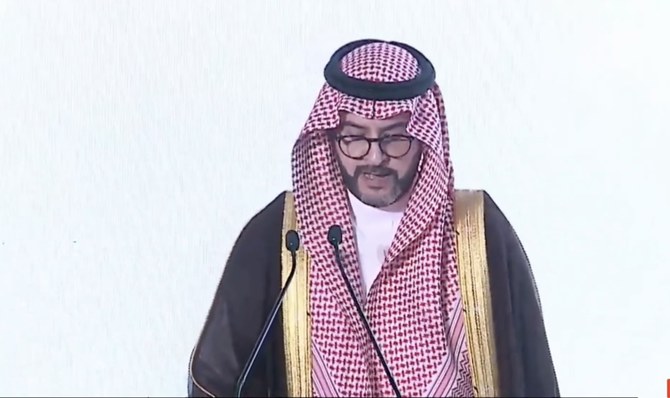
Nasser Al- Ghamdi, CEO of Saudi Energy Efficiency Center, speaks at a forum in Riyadh on Monday.
Short Url
Updated 27 May 2024
Follow

Saudi Arabia focused on promoting energy efficiency: top official

RIYADH: Saudi Arabia’s budding energy efficiency sector has witnessed notable growth, with the number of licensed service providers reaching 55 by the end of 2023, says a top official.  

As the Kingdom strives to reduce its carbon footprint, with recently amplified goals to achieve net-zero by 2060, the Saudi Energy Efficiency Center is working to aide the nation in realizing these ambitions, Nasser Al-Ghamdi, the CEO of the center noted.  

In his inaugural address at the Saudi ESCO forum, the top executive stressed the entity’s role in raising awareness about energy efficiency. He highlighted that 26 universities nationwide have adopted energy efficiency topics and courses in their curricula. 

“Since the inception of the center, we have launched various initiatives that will help in reducing energy consumption,” Al-Ghamdi said. 

Among these undertakings, the body has succeeded in launching and implementing more than 200 training programs in the field of energy efficiency, the CEO added.  

The executive emphasized that the center has strived to create the necessary ecosystem for suppliers and their beneficiaries in this “promising market” to ensure the quality of energy-efficiency service providers. 

He added that this will be achieved through the application of a licensing system for those interested in investing in this field after meeting the technical requirements necessary to provide the service.  

Highlighting the role that the fledgling sector is playing in achieving net-zero goals, the CEO said: “The sector, which is considered relatively new, is helping companies and enterprises and buildings in finding solutions to efficiently use energy, including financing and managing solutions and projects. These companies also contribute energy consumption analysis and knowing opportunities for companies to improve their consumption.” 

During his opening speech, Waled Al-Ghreri, CEO of the National Energy Services Co., also known as Tarshid, emphasized the company’s role in advancing energy efficiency initiatives in Saudi Arabia.  

The Saudi Press Agency quoting Al-Ghreri as saying: “Since 2017, we have worked with SEEC to expand the number of companies in energy efficiency services to 55 licensed firms, including 41 local and 14 international companies.”  

He added: “These partners actively participate in our rehabilitation and energy efficiency projects, such as retrofitting public buildings and facilities. These efforts have led to an estimated savings of approximately 7 terawatt-hours by the end of the first quarter of 2024. Tarshid is dedicated to fostering the growing energy efficiency services market in the Kingdom and supporting their involvement in projects throughout the country.” 

Due to the absence of energy efficiency activities in the commercial sector, one of the highest energy consumers in the Kingdom, accounting for 15.7 percent of total consumption of facilities in the nation, the body launched a pilot project to improve this field.  

The initiative aims to improve conditions in the commercial sector by raising business owners’ awareness of opportunities, as implementing energy auditing projects is expected to improve overall efficiency. 


Lebanese social entrepreneur Omar Itani recognized by Schwab Foundation

Updated 23 January 2026
Follow

Lebanese social entrepreneur Omar Itani recognized by Schwab Foundation

  • FabricAID co-founder among 21 global recipients recognized for social innovation

DAVOS: Lebanon’s Omar Itani is one of 21 recipients of the Social Entrepreneurs and Innovators of the Year Award by the Schwab Foundation for Social Entrepreneurship.

Itani is the co-founder of social enterprise FabricAID, which aims to “eradicate symptoms of poverty” by collecting and sanitizing secondhand clothing before placing items in stores in “extremely marginalized areas,” he told Arab News on the sidelines of the World Economic Forum in Davos, Switzerland.

With prices ranging from $0.25 to $4, the goal is for people to have a “dignified shopping experience” at affordable prices, he added.

FabricAID operates a network of clothing collection bins across key locations in Lebanon and Jordan, allowing people to donate pre-loved items. The garments are cleaned and sorted before being sold through the organization’s stores, while items that cannot be resold due to damage or heavy wear are repurposed for other uses, including corporate merchandise.

Since its launch, FabricAID has sold more than 1 million items, reached 200,000 beneficiaries and is preparing to expand into the Egyptian market.

Amid uncertainty in the Middle East, Itani advised young entrepreneurs to reframe challenges as opportunities.

“In Lebanon and the Arab world, we complain a lot,” he said. Understandably so, as “there are a lot of issues” in the region, resulting in people feeling frustrated and wanting to move away. But, he added, “a good portion of the challenges” facing the Middle East are “great economic and commercial opportunities.”

Over the past year, social innovators raised a combined $970 million in funding and secured a further $89 million in non-cash contributions, according to the Schwab Foundation’s recent report, “Built to Last: Social Innovation in Transition.”

This is particularly significant in an environment of geopolitical uncertainty and at a time when 82 percent report being affected by shrinking resources, triggering delays in program rollout (70 percent) and disruptions to scaling plans (72 percent).

Francois Bonnici, director of the Schwab Foundation for Social Entrepreneurship and a member of the World Economic Forum’s Executive Committee, said: “The next decade must move the models of social innovation decisively from the margins to the mainstream, transforming not only markets but mindsets.”

Award recipients take part in a structured three-year engagement with the Schwab Foundation, after which they join its global network as lifelong members. The program connects social entrepreneurs with international peers, collaborative initiatives, and capacity-building support aimed at strengthening and scaling their work.