- Human rights activist raps cases of prisoner fatalities as a result of torture in militia’s captivity
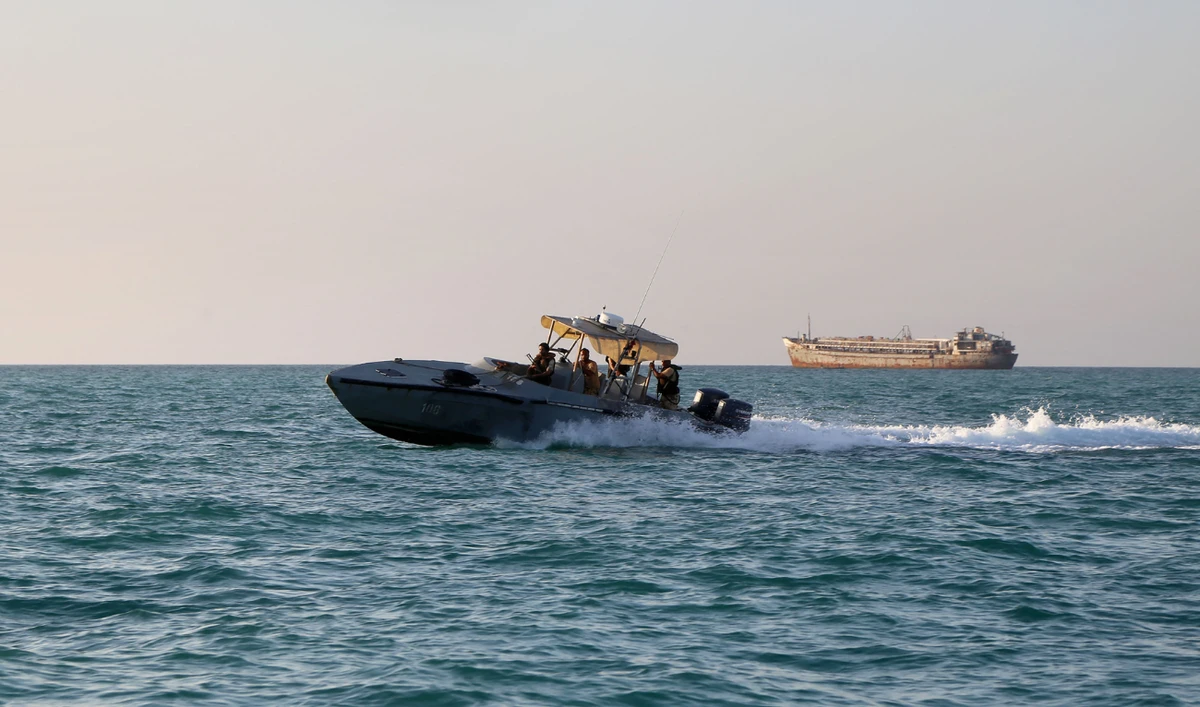
AL-MUKALLA, Yemen: The EU mission in the Red Sea, known as EUNAVFOR Aspides, said on Sunday that it had protected over 100 ships while sailing the critical trade channel and shot down more than a dozen Houthi missiles and drones in the last three months.
In a post on X marking three months since the start of its operation, the EU mission, which is now made up of five naval units and 1,000 personnel from 19 contributing nations, said that its forces had destroyed 12 drones, one drone boat, and four ballistic missiles fired by the Houthis from areas under their control in Yemen, as well as provided protection to 120 commercial ships since February.
“Great day for Freedom of Navigation, as 3 months have passed since the launch of ASPIDES. Three months of multiple challenges and great achievements. ASPIDES continues its mission in full compliance with international law, to ensure maritime security and seaborne trade,” EUNAVFOR Aspides said.
On Feb. 19, the EU announced the commencement of EUNAVFOR Aspides, a military operation in the Red Sea to defend international marine traffic against Houthi attacks.
At the same time, the Philippines Department of Migrant Workers said on Sunday that 23 of its citizens who were aboard the oil ship assaulted by Houthi militia in the Red Sea on Saturday were safe.
“The DMW is closely coordinating with international maritime authorities, shipping companies, and local manning agencies on the status of ships with Filipino seafarers traversing high-risk areas and war-like zones in the Red Sea and the Gulf of Aden,” the DMW said in a statement carried by the official Philippine News Agency.
For seven months, the Houthis have launched hundreds of ballistic missiles, drones, and drone boats against commercial and navy ships along international commerce lanes off Yemen, including the Red Sea.
The Houthis claim that their strikes are intended to push Israel to cease the war in Gaza and allow humanitarian supplies into the Palestinian territory.
Three civilian sailors, including two Filipinos, were killed in March after the Houthis launched a missile at their ship in the Red Sea.
Many international shipping companies directed their ships to avoid the Red Sea and other passages off Yemen, opting for longer and more costly routes through Africa.
Meanwhile, Yemen human rights activists have said that a man held by the Houthis during the last seven years died as a result of abuse in Houthi imprisonment, making him the latest victim of torture within Houthis detention facilities.
On Saturday, the Houthis told the family of Najeed Hassan Farea in Taiz through the Yemen Red Crescent that their son had died in their custody, but they did not explain how.
The Houthis abducted Farea in February 2017 after storming his village and home in the Al-Taziya district, preventing him from contacting his family and denying them information about where he was being detained.
Eshraq Al-Maqtari, a human rights activist in Taiz who reached Farea’s family, told Arab News that the Houthis cruelly tortured the man and that his family was stunned to hear of his death after years of information blackout since his detention.
“He was denied the right to communicate, to know his fate, and the right to healthcare, which appears to have caused his death,” she said, adding that since the start of the year, there have been three verified cases of prisoner fatalities as a result of torture in Houthi captivity.