LONDON: Universal Music Group and TikTok said on Thursday they had reached a new licensing agreement that will restore the label’s songs and artists to the social media platform as well as give musicians more protections from artificial intelligence.
TikTok began removing Universal’s content from its app after their licensing deal expired in January and the two sides failed to reach agreement on royalties, AI and online safety for TikTok’s users.
Describing their new pact as a multi-dimensional deal, the companies said they were working “expeditiously” to return music by the label’s artists to TikTok, and also said they would team up to realize new monetization opportunities from TikTok’s growing e-commerce capabilities.
They will “work together on campaigns supporting UMG’s artists across genres and territories globally,” the two firms said in a joint statement.
The short video app is a valuable marketing and promotional tool for the music industry. TikTok is where 16- to 19-year-olds in the United States most commonly discover music, ahead of YouTube and music streaming services such as Spotify , according to Midia Research.
“Roughly a quarter of US consumers say they listen to songs they have heard on TikTok,” said Tatiana Cirisano, Midia’s senior music industry analyst.
However, Universal Music claimed its artists and songwriters are paid just a fraction of what it receives from other major social media platforms.
The music label says TikTok accounts for 1 percent of its annual revenue or about $110 million in 2023. YouTube, by contrast, paid the music industry $1.8 billion from user-generated content in the 12 months ending in June 2022, according to Midia.
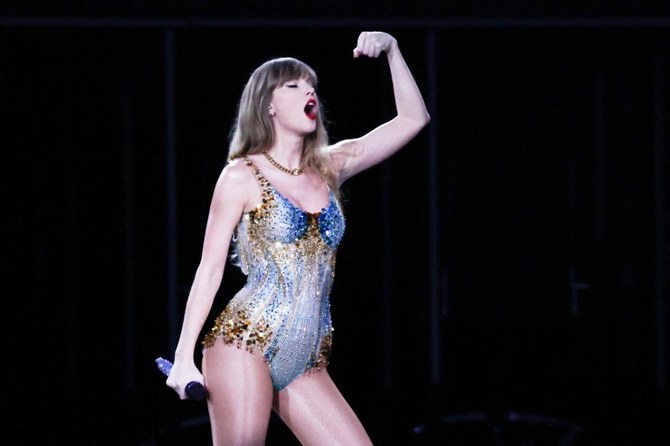
In a move that may well have eroded its bargaining power, Taylor Swift, one of Universal Music’s biggest acts, allowed a selection of her songs to return to TikTok as she promoted her latest album, “The Tortured Poets Department.”
Swift owns the copyrights to her recordings through her 2018 deal with Universal and can control where her songs are available, according to the Financial Times.
As licensing negotiations resumed in recent weeks, AI remained a major point of contention. Universal has claimed TikTok is “flooded” with AI-generated recordings, including songs that users create with the help of TikTok’s AI songwriting tools.
In Thursday’s deal, TikTok and Universal said that they would work together to ensure AI development across the music industry will protect human artistry and the economics that flow to those artists and songwriters.
“TikTok is also committed to working with UMG to remove unauthorized AI-generated music from the platform, as well as (developing) tools to improve artist and songwriter attribution,” the statement said.
Concerns about AI have grown in the creative community. In April, a non-profit group called the Artist Rights Alliance published an open letter urging the responsible use of the technology. The group of more than 200 musicians and songwriters called on technology companies and digital music services to pledge not to deploy AI in a way that would “undermine or replace the human artistry of songwriters and artists or deny us fair compensation for our work.”
The deal comes amid questions over TikTok’s long-term future in the United States. President Joe Biden signed legislation last week that gives TikTok’s Chinese owner, ByteDance, 270 days to sell its US assets. TikTok has vowed to file suit to challenge the legislation, which it calls a ban.
More than 170 million Americans use its video service, according to TikTok. Globally, it has more than 1.5 billion monthly active users, according to research firm Statista.


![]()
Universal Music Group artists to return to TikTok after new licensing pact

Short Url
https://arab.news/2n7zy
Universal Music Group artists to return to TikTok after new licensing pact
- New deal to restore label’s song to platform, increase artists’ protection from AI
- Universal Music says TikTok accounts for 1 percent of its annual revenue in 2023


Latest updates


Recommended


© 2026 SAUDI RESEARCH & PUBLISHING COMPANY, All Rights Reserved And subject to Terms of Use Agreement.