

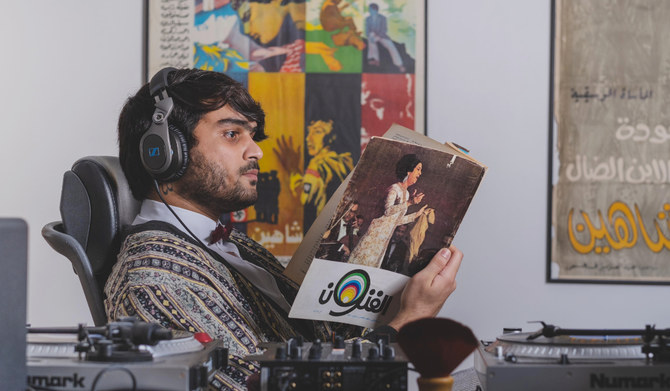

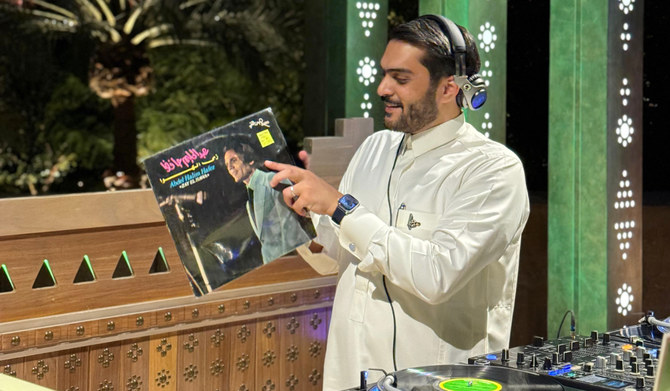

JEDDAH: The timeless ritual of visiting record stores to unearth original Saudi and Arabic vinyl records fuels Yaser Hammad, a Saudi DJ specializing in Arabic musical treasures.
“I prefer to label myself as a selector rather than a traditional DJ,” he tells Arab News. “This allows me to introduce the audience to classical songs that may be new to them, setting my offerings apart from other DJs in the region.”
DJing with vinyl is an art that can be a bit more complicated: “Being a vinyl DJ involves more than just playing music … it’s about carrying physical songs, which is quite valuable. Unlike digital formats using a USB to carry songs, vinyl DJing requires a hands-on approach and adds a unique quality to my performances, creating a distinct ambiance for the audience.”
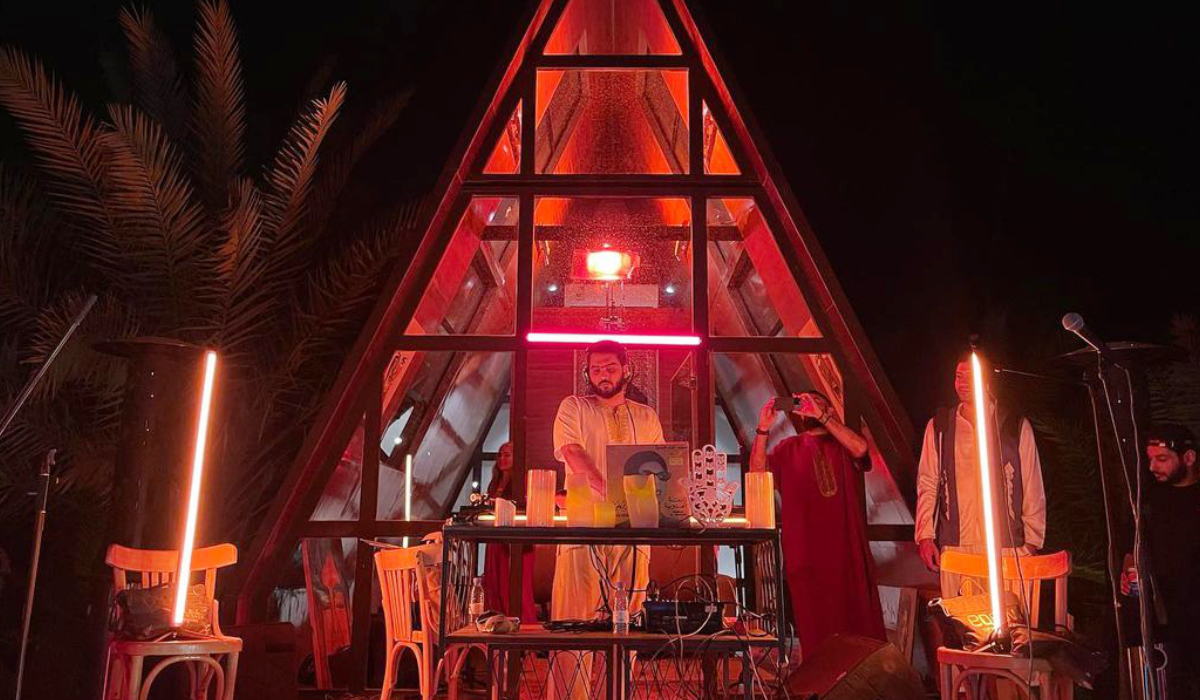
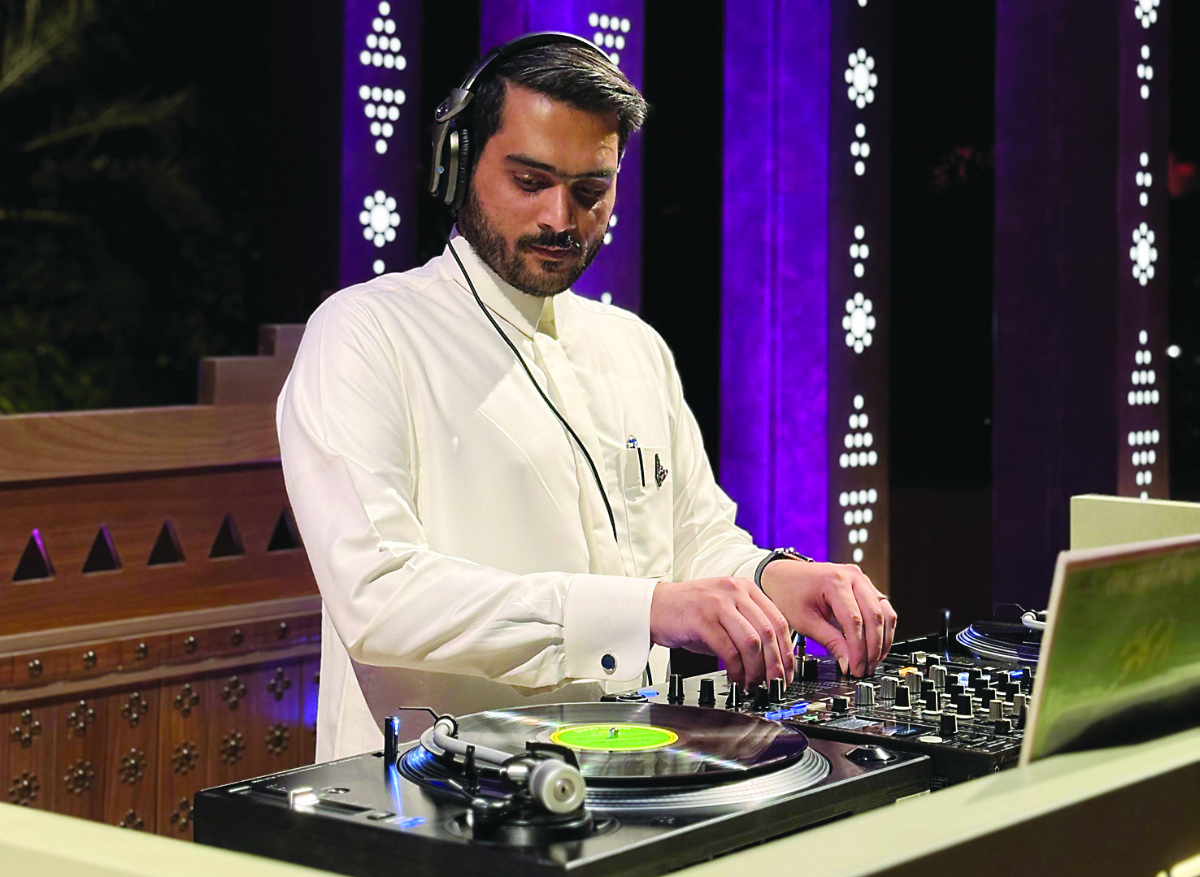
Amid changing online and digital music trends, Saudi DJ Yaser Hammad, known professionally as Adulsamee3 Allamee3, is upholding the tradition of vinyl. (Supplied)
Depending on the venue, Hammad typically selects music that blends with the location and audience. Given his Hijazi heritage, the historic Al-Balad district in Jeddah is a regular spot where he plays music focusing on Hijazi female singers from the golden age, such as Touha, Ibtisam Lutfi, as well as renowned singers like Talal Maddah and Fawzi Mahsoun.
“My education has fueled my love for Saudi classics and cultural preservation through music,” Hammad said. “Researching Saudi singers has enriched my appreciation for their role in shaping our cultural heritage.”
Hammad’s passion for vinyl records began during his time in film school in Los Angeles, where he frequented Amoeba, the world’s largest record store. Delving into the world music section, he discovered Arabic records, both secondhand and new represses. Inspired by this period, Hammad sought to uncover more genres within Arabic music.
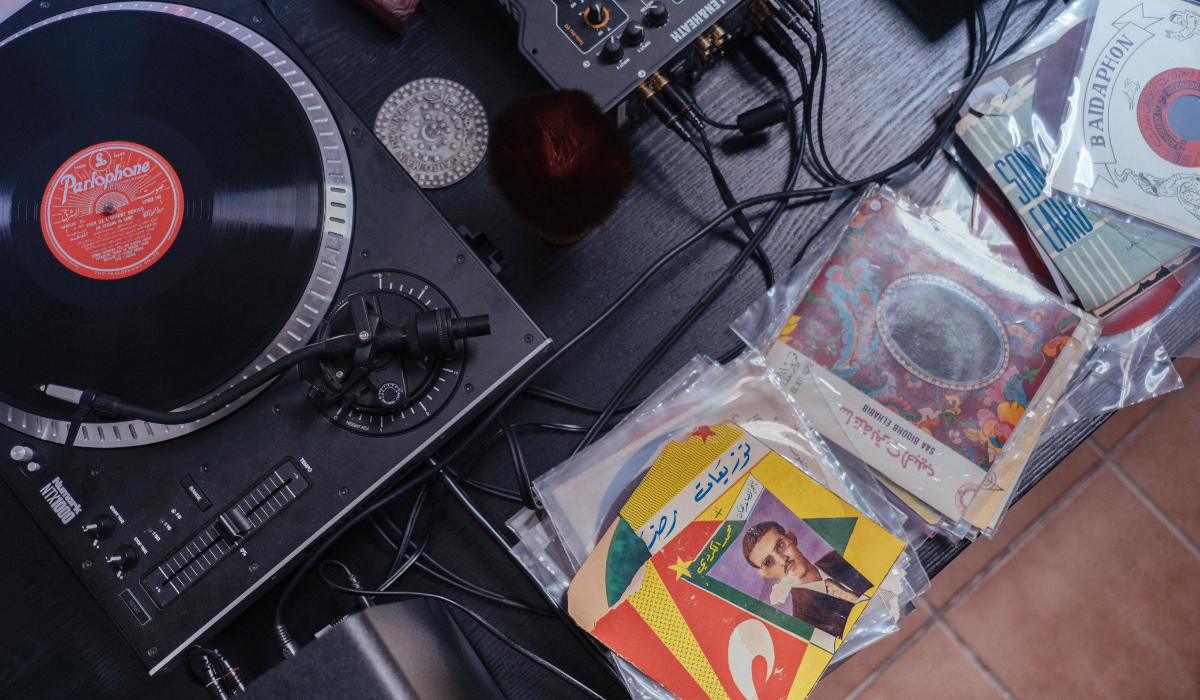
Amid changing online and digital music trends, Saudi DJ Yaser Hammad, known professionally as Adulsamee3 Allamee3, is upholding the tradition of vinyl. (Supplied)
During his years in Cairo and Beirut, he searched for record shops, connecting with fellow music enthusiasts who shared his love for Arabic music. Upon returning to Saudi Arabia, he met Mohannad Nassar, a local vinyl DJ professionally known as Vinyl Mode, who encouraged him to share his collection through DJing. Mohannad became Hammad’s mentor, teaching him the art of vinyl DJing and offering unwavering support.
Going analog in a digital world
Hammad’s journey as a DJ began with his first performance at Medd Cafe in Jeddah, just before the COVID-19 pandemic. During the lockdown, he embraced virtual platforms like Zoom and Instagram Live sessions by MDLBeast that gave him a platform to explore and experiment with his music in new ways.
Arabic and Saudi music reflect Hammad’s identity, intertwining poetry and storytelling, often overlooked but crucial in revitalizing the cultural landscape. Despite challenges, particularly matching classical Arabic with the beat-matching technology of modern DJing, performing through vinyl offers a unique analog experience, relying on intuition and auditory senses, enriching the audience’s connection to the music.
I enjoy exploring record shops worldwide for Arabic music, uncovering unique stories like discovering Umm Kulthum’s classics in Annecy, France, pressed by Arab migrants with superior quality.
Yaser Hammad, Saudi vinyl DJ
“I enjoy exploring record shops worldwide for Arabic music, uncovering unique stories like discovering Umm Kulthum’s classics in Annecy, France, pressed by Arab migrants with superior quality. Personal interactions with shop owners and their recommendations add value to the records, unlike online purchases.
“Despite travels, I rarely found Saudi music until discovering Abu Mubarak’s WhatsApp group during COVID-19, auctioning rare vinyls of folk Saudi singers like Basher Hamad Shenan and Issa Al-Ahsa’i, fostering a vibrant community of Saudi music collectors,” he added.
Yaser Hammad, Saudi vinyl DJ
Hammad, also a film director, said that music inspires his writing, helping him tell stories through curating music. One of his most memorable mixes called “Pass by Jeddah,” available on his SoundCloud page, narrates a love story that starts in Jeddah, moves to Makkah and ends with heartbreak on the road to Madinah.
Despite growing up listening to 2000s Egyptian and Lebanese pop music, Hammad's iPod post-high school helped him to explore various Arabic music genres, discovering traditional Saudi singers. Their music resonated with him, offering a newfound sense of representation and connection.
Dubbed as Adulsamee3 Allamee3, a funky Arabic moniker inspired by the renowned late Egyptian actor and comedian Samir Ghanim’s character, Hammad has performed at significant events and venues within the Kingdom and internationally, including MENA Night at Cannes Lions Festival organized by media group SRMG and streaming platform Anghami in Cannes, France; the Islamic Arts Biennale opening night in Jeddah; and the FenaaPhone exhibition’s closing night in Riyadh.
Amid changing online and digital music trends, Hammad is upholding the tradition of vinyl.
“Playing in public venues is an experience. Some find it hard to grasp that without the physical vinyl, I can’t fulfill their requests, even if it’s a TikTok trend,” he said. “Despite the amusing encounters, there are heartfelt moments, too, especially when the audience appreciates Saudi singers’ vinyl records.”
Hammad’s cultural plea is for Saudis to safeguard their heritage, particularly their music culture, by cherishing old cassette tapes, CDs, vinyl records and other items.
To discover Hammad’s collections, check out his SoundCloud show, Sama3i or “listening sessions.”