PORT SUDAN, Sudan: Sudan has requested an emergency UN Security Council meeting on what it calls UAE “aggression” for allegedly supporting paramilitaries battling the army, a diplomatic source said Saturday.
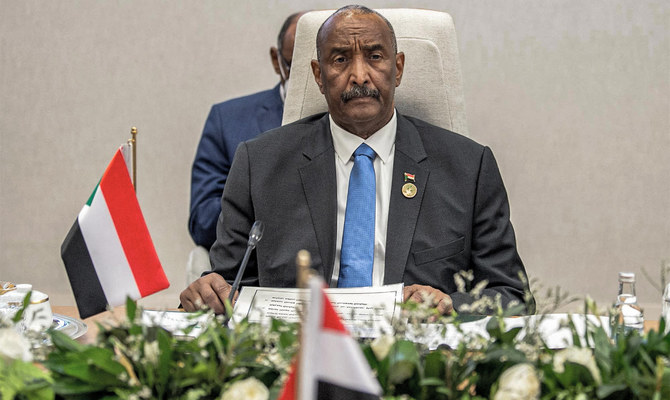
The fighting broke out in April last year between the regular army, headed by Sudan’s de facto leader Abdel Fattah Al-Burhan, and the paramilitary Rapid Support Forces (RSF) led by his former deputy Mohamed Hamdan Dagalo.
For months the regular army has accused the United Arab Emirates of supporting the RSF, a charge the UAE denies.
“Yesterday, our permanent representative to the United Nations submitted a request for an urgent session of the Security Council to discuss the UAE’s aggression against the Sudanese people, and the provision of weapons and equipment to the terrorist militia,” the source told AFP.
The country’s official SUNA news agency confirmed that Sudan’s UN representative, Al-Harith Idriss, had submitted the request.
SUNA cited Idriss as saying this was “in response to the UAE representative’s memorandum to the Council,” and that “the UAE’s support for the criminal Rapid Support militia that waged war on the state makes the UAE an accomplice in all its crimes.”
In a letter to the Security Council last week, the UAE foreign ministry rejected Sudan’s accusations that it backs the RSF.
The letter said the allegations were “spurious (and) unfounded, and lack any credible evidence to support them.”
Separately on Saturday, the UN Security Council expressed “deep concern” over escalating fighting in Sudan’s North Darfur region and warned against the possibility of an imminent offensive by the RSF and allied militias on El Fasher.
The city is the last Darfur state capital not under RSF control and hosts a large number of refugees.
United Nations officials put out similar warnings Friday, with the UN’s High Commissioner for Human Rights Volker Turk expressing his “grave concern.”
Secretary-General Antonio Guterres’ spokesperson’s office said an attack on El Fasher “would have devastating consequences for the civilian population... in an area already on the brink of famine.”
The Sudan war has killed tens of thousands of people and forced more than 8.5 million people to flee their homes in what the United Nations has called the “largest displacement crisis in the world.”
In December, Khartoum demanded that 15 Emirati diplomats leave the country after an army commander accused Abu Dhabi of supporting the RSF, and protests in Port Sudan demanded the expulsion of the UAE ambassador.
The Wall Street Journal, citing Ugandan officials, reported last August that weapons had been found in a UAE cargo plane transporting humanitarian aid to Sudanese refugees in Chad, prompting a denial from Abu Dhabi.


![]()

Sudan demands emergency UN meeting on UAE ‘aggression’
Short Url
https://arab.news/yzqx5
Sudan demands emergency UN meeting on UAE ‘aggression’
- For months the regular army has accused the United Arab Emirates of supporting the RSF, a charge the UAE denies


Latest updates


Recommended


© 2026 SAUDI RESEARCH & PUBLISHING COMPANY, All Rights Reserved And subject to Terms of Use Agreement.