- The development comes amid efforts to restore China’s confidence in Islamabad regarding various projects
- Scaled-back CPEC projects, attacks on Chinese nationals have lately strained ties between the two countries
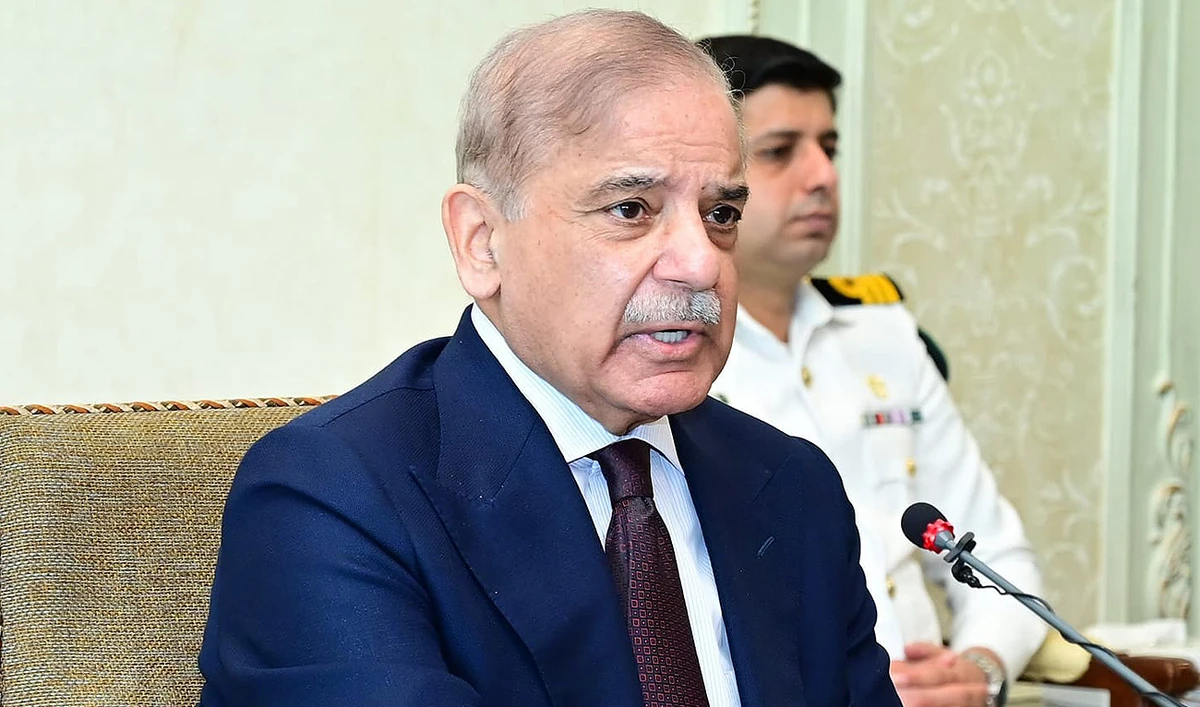
ISLAMABAD: Prime Minister Shehbaz Sharif will visit China in May to restore Beijing’s confidence in Islamabad with regard to various projects, Pakistani state media reported on Saturday, citing a senior official.
Beijing is investing over $65 billion in energy and infrastructure projects in Pakistan as part of China-Pakistan Economic Corridor (CPEC), a major segment of its Belt and Road Initiative designed to give China a shorter, more secure trading route to the Middle East and beyond, while also boosting Pakistan’s economy.
Since its initiation in 2013, CPEC has seen tens of billions of dollars funnelled into massive transport, energy and infrastructure projects. But the undertaking has also been hit by Pakistan struggling to keep up its financial obligations as well as attacks on Chinese targets by militants.
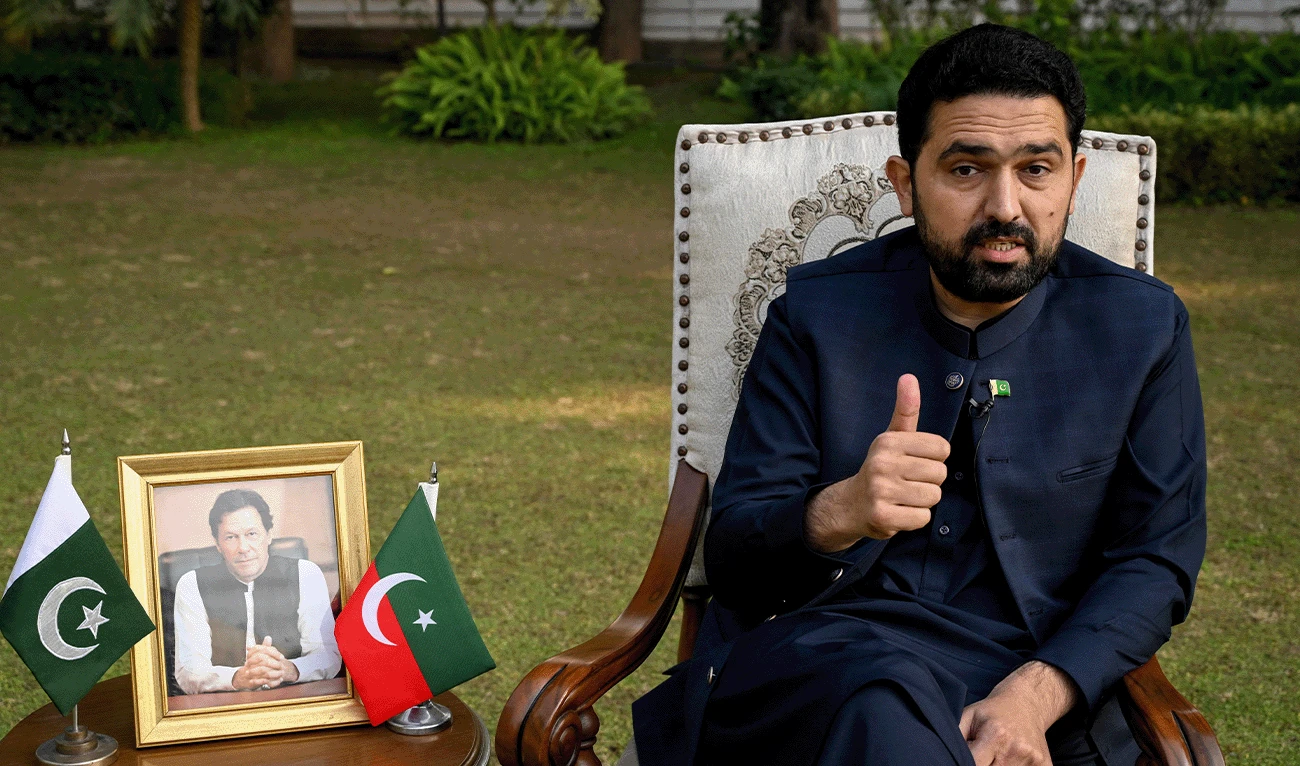
Rana Mashhood, chairman of Prime Minister’s Youth Program, said PM Sharif wanted to make Pakistan a partner in economic development, which was why he was striving to bring investment from Pakistan’s friendly countries.
“From May 14, the Prime Minister will make an official visit to the People’s Republic of China, which will restore the confidence of the brotherly neighboring country and the CPEC project will move toward success quickly,” Mashhood was quoted as saying by the state-run APP news agency.
The comments came during his visit to China Window, a Chinese cultural center, in the northwestern Pakistani city of Peshawar. On the occasion, Mashhood visited different galleries at the center, signed the friendship wall and recorded his comments in the visitor’s book.
Beijing has been one of Islamabad’s most reliable foreign partners in recent years, readily providing financial assistance to bail out its often-struggling neighbor. In July last year, China granted Pakistan a two-year rollover on a $2.4 billion loan, giving the debt-saddled nation much-needed breathing space as it tackled a balance-of-payments crisis.
But ties have been strained by numerous hurdles in recent years, including scaled-back CPEC projects and attacks on Chinese workers in Pakistan. In the latest attack, five Chinese nationals and their Pakistani driver were killed in a suicide bombing in northwest Pakistan on March 26.
Mashhood appreciated the establishment of the Chinese cultural center in Peshawar and said it would be a pivotal hub for further enhancing the bond between Pakistan and China, according to the APP report.
Recognizing the importance of foreign languages for the country’s youth, the official said he had instructed relevant institutions to initiate language programs tailored to meet the diverse needs of different countries.
“He specifically mentioned plans to include the Chinese language in the programs offered by the National Commission for Technical and Vocational Training,” the report read.