

WHO warns of falsified cough syrup ingredients seized in Pakistan

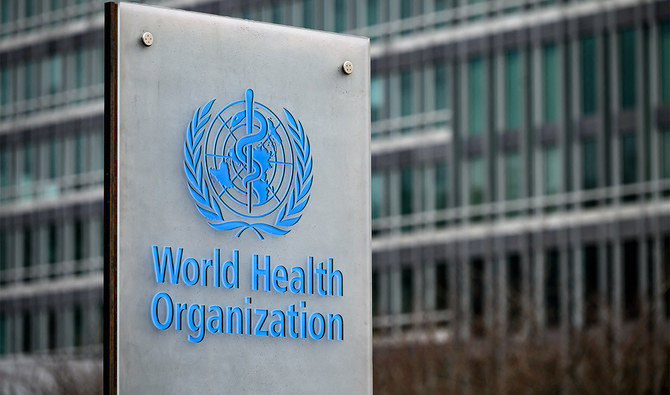
This photograph taken on December 2, 2021, shows a sign of the the World Health Organization (WHO) next to theirs headquarters, in Geneva. (AFP/File)
Short Url
Updated 16 April 2024
Follow

WHO warns of falsified cough syrup ingredients seized in Pakistan

  • Five contaminated batches of propylene glycol falsely labelled as made by Dow Chemical units in Asia and Europe
  • Contaminated cough syrups linked to deaths of more than 300 children globally since late 2022

The World Health Organization issued an alert on Monday warning drugmakers of five contaminated batches of propylene glycol, an ingredient used in medicinal syrups, that appear to have been falsely labelled as manufactured by Dow Chemical units in Asia and Europe.

The Drug Regulatory Authority of Pakistan (DRAP) issued three alerts between January and March over high levels of ethylene glycol (EG), an industrial solvent known to be toxic, found in drums purportedly made by subsidiaries of Dow Chemical in Thailand, Germany and Singapore.

DRAP sent suspect drums of propylene glycol, a sweet-tasting alcohol used in over-the-counter medicines such as cough syrups, for testing. The samples were found to have EG contamination of 0.76-100 percent, according to the WHO. International manufacturing standards say only trace amounts of EG, below 0.1 percent, can be considered safe.

Contaminated cough syrups made in India and Indonesia have been linked to deaths of more than 300 children globally since late 2022. The medicines were found to contain high levels of EG and diethylene glycol, leading to acute kidney injury and death. In the Indonesia case, authorities found that one supplier had placed false Dow Thailand labels onto drums containing EG that it sold to a distributor for pharmaceutical use.

Several of the batches seized by DRAP were labelled as having been manufactured in 2023, the WHO said, months after the agency issued a global alert calling on drugmakers to verify the quality of their suppliers.

The WHO said Dow confirmed that the materials identified in its Monday alert and found by DRAP were not manufactured or supplied by the company.

“The propylene glycol materials identified in this alert are considered to have been deliberately and fraudulently mislabelled,” the WHO said, noting batches may have been distributed to other countries and still be in storage.

Dow did not immediately respond to a request for comment.

The WHO alert comes the same week regulators in Tanzania and Rwanda joined Nigeria, Kenya and South Africa to recall batches of Johnson & Johnson children’s cough syrup after Nigeria said it found high levels of diethylene glycol, an industrial solvent known to be toxic.

The batch of Benylin Paediatric syrup recalled was made by J&J in South Africa in May 2021, although Kenvue now owns the brand after a spin-off from J&J last year.


Pakistan, Jordan agree to enhance cooperation in trade, energy, investment

Updated 4 sec ago
Follow

Pakistan, Jordan agree to enhance cooperation in trade, energy, investment

  • Pakistan, Jordan hold inter-ministerial commission meeting in Islamabad to discuss cooperation in several sectors
  • Both sides agree to form working group, Jordan-Pakistan Business Council to accelerate trade and investment cooperation

ISLAMABAD: Pakistan and Jordan have agreed to enhance cooperation in trade, investment, banking, energy and other economic sectors, Commerce Minister Jam Kamal Khan said on Thursday. 

The understanding was reached between the two sides at a meeting of the Pakistan-Jordan Inter-ministerial Commission in Islamabad on Thursday. 

Pakistan enjoys cooperation with Jordan in several sectors including trade, defense and minerals. Jordan was the fifth country to recognize Pakistan after it secured independence in 1947. The two nations established formal diplomatic ties in 1948. 

“Areas which cover a very diversified sectoral approach from trade and investment, industrial development, banking and finance, agriculture and livestock, higher education, vocational training, labor, health, climate change, maritime, energy, mineral resources and many more,” Khan said at a news conference with Jordanian Minister of Industry and Trade Yarub Qudah. 

The Pakistani minister said it was a “very good opportunity” for both sides to transform their brotherly relations into economic cooperation. 

Qudah agreed with Khan, saying it was time for Islamabad and Amman to take their economic and trade relations to “a totally different level.”

“We have also agreed to have a working group that will work this year on different sectors and also the establishment of the Pakistan-Jordan Business Council,” he said.

He invited Khan to Jordan to hold talks on further cooperation, adding that the 11th meeting of the inter-ministerial commission will be held in Jordan next year. 

The bilateral trade between Pakistan and Jordan stood at $46.58 million in 2023. Pakistan’s main exports to Jordan include textiles, rice, ethyl alcohol, polymers of styrene, sugar confectionaries, nuts and dried fruits.

Meanwhile, Pakistan mainly imports mineral and chemical fertilizers, ferrous waste and scrap, inorganic acids, chemicals, medicaments and seeds from Jordan.