



LONDON: A Saudi film has been named in the Cannes Film Festival’s official selection for the first time, it was announced on Thursday.
The Kingdom’s first selection is called “Norah,” filmed entirely in AlUla, directed by Tawfik Alzaidi and set in 1990s Saudi Arabia when conservatism ruled and the pursuit of all art, including painting, was banned.
It follows the story of Nader, a failed artist who becomes a schoolteacher, played by Yaqoub Alfarhan, who assists the eponymous young girl, played by Maria Bahrawi, to realize her artistic potential in an oppressive rural setting.
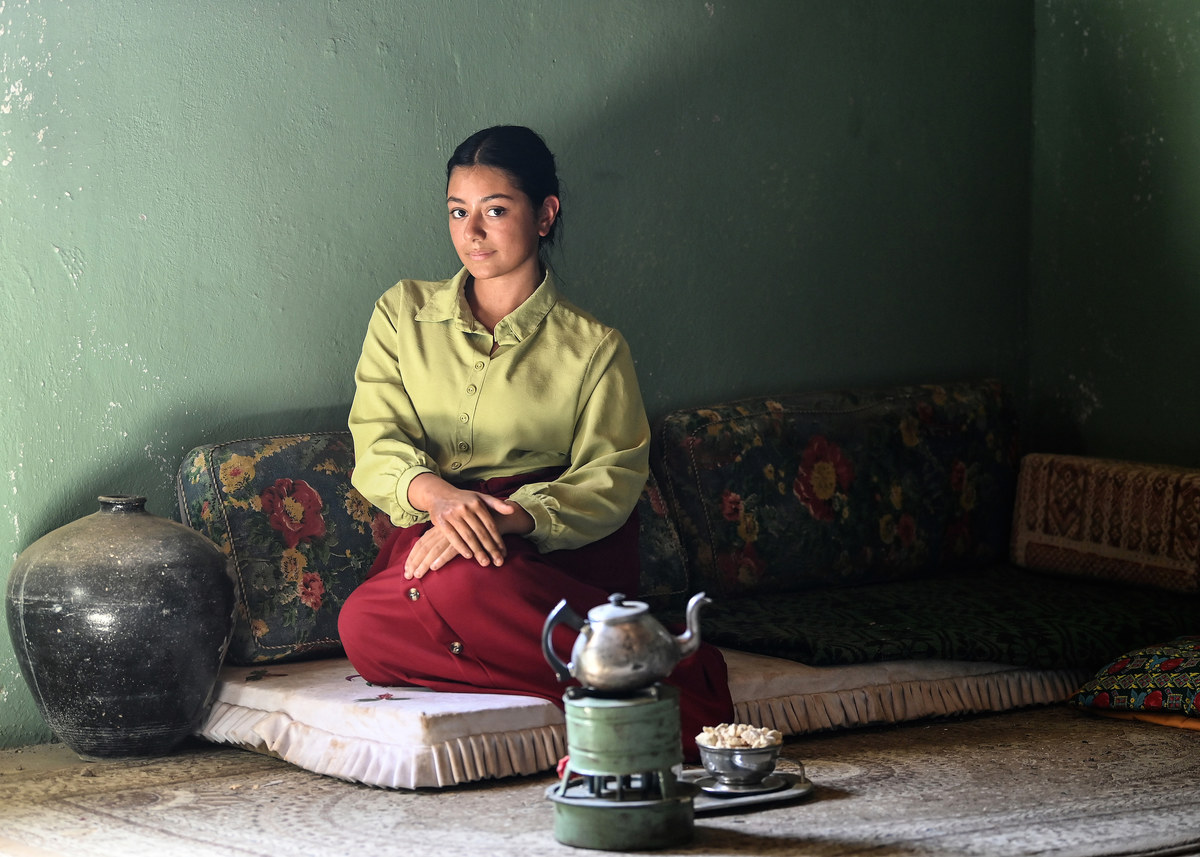
Maria Bahrawi on the set of ‘Norah,’ in AlUla. (Supplied)
The film premiered in Saudi Arabia in December at the Red Sea Film Festival in Jeddah and it will be included in the prestigious “Un Certain Regard” section of the French film festival, which recognizes new talent and unconventional narratives and runs alongside the famous “Palme D’Or” competition.
“Norah” will be in competition with 19 other films from around the world.
Speaking to Arab News in November last year before its premiere, Alzaidi said that he hoped it would inspire future generations to never let a dream die.
“I don’t think this is a film that’s trying to have one message — art is subjective, after all,” he said. “But when audiences of the next generation see this film, I want them to remember one thing: Believe in yourself. And if you have a voice, never stop fighting for it.”
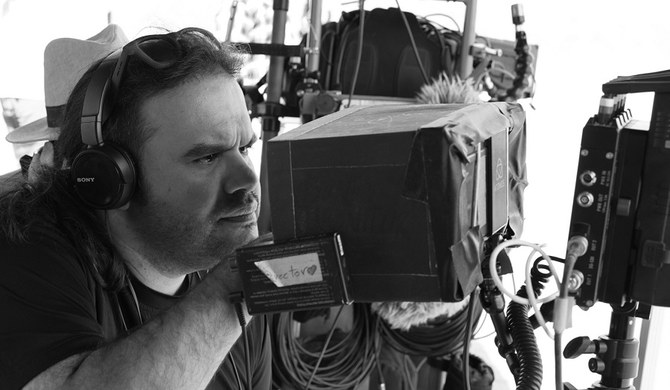
Saudi filmmaker Tawfik Alzaidi’s masterful directorial debut 'Norah' is the first Saudi film to be shot entirely in the Kingdom’s historic AlUla region. (Supplied)
Bahrawi echoed Alzaidi’s sentiments, adding that playing Norah in the film inspired her to not allow anything to dissuade her from fulfilling her potential.
“(Norah) taught me to be myself, to be true to my own spirit, and stand up for myself despite all the challenges,” she told Arab News in an interview. “From now and for the rest of my life, because of Norah, if I don’t find support, I will support myself. I want to find success, and I’ll do it against all odds.”
Saudi Arabia lifted its 35-year ban on cinema in 2017 and has since seen its burgeoning film scene go from strength to strength, including building a strong relationship with the Cannes festival since first having a delegation there in 2018.
The 2024 festival will run from May 14 to May 25.


