- We are mainly focused on penetrating the market further: CEO
CAIRO: Aiming to establish itself as a regional financial hub, Saudi Arabia has sent out a compelling invitation to startups worldwide.
The Kingdom’s push to enhance its fintech landscape has attracted the interest of MoneyHash, a US-based startup eyeing the nation’s promising potential in this sector.
Established in late 2020 by Nader Abdelrazik, Mustafa Eid, and Anisha Sekar, MoneyHash is targeting the Saudi market following a successful $4.5 million seed funding round in February.
The company is aiming to tackle key challenges in Saudi Arabia’s payment sector, helping businesses recover lost revenue due to payment failures and infrastructure complexities.
The company employs a hybrid business model, combining fixed fees with transaction-based charges, tailored to customer usage and product selection.
In an interview with Arab News, Abdelrazik, also the company’s CEO, outlined the firm’s strategy, aiming to establish MoneyHash as a frontrunner in this pivotal market.
“We are mainly focused on penetrating the market further, relying on our previous success and trusted brand as a payment infrastructure,” Abdelrazik told Arab News.
We have active customers in Saudi already including prominent players like Foodics, and the latest investment will help us build a solution hub in Saudi and have a dedicated team for the market.
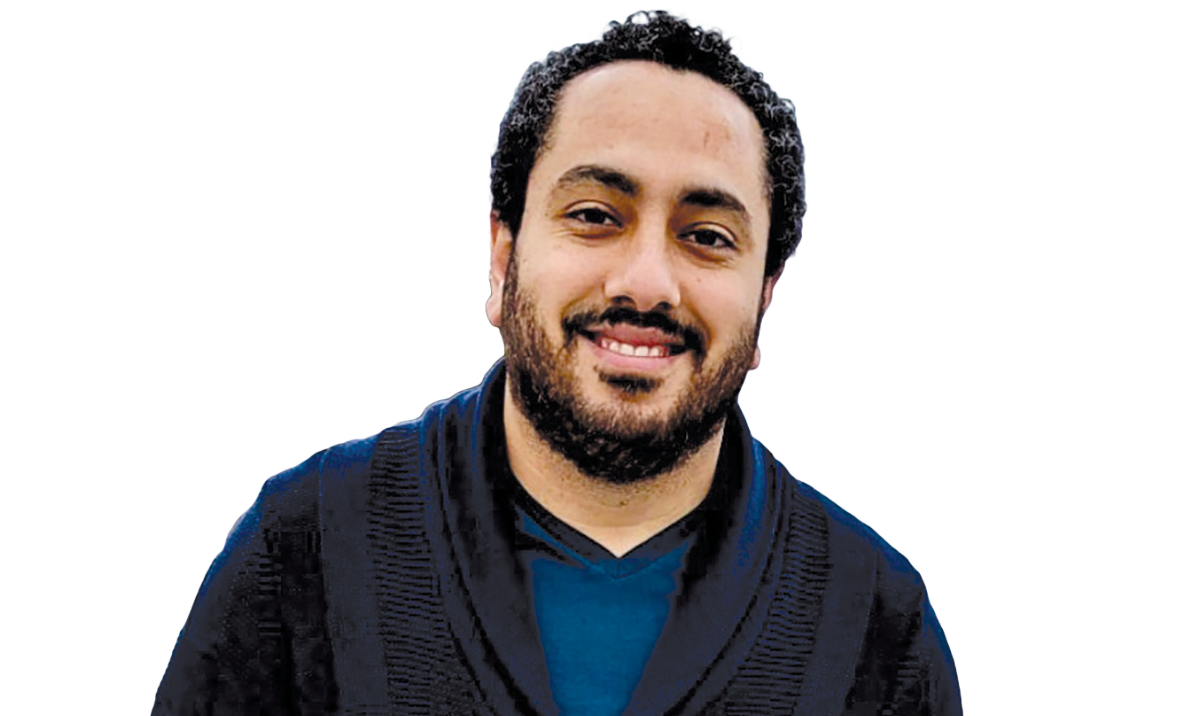
Nader Abdelrazik, CEO of MoneyHash
Success for MoneyHash is measured by the tangible benefits it provides to customers, including recovered revenue, reduced development costs, and lower failure and fraud rates.
These indicators are vital in the Saudi market, reflecting MoneyHash’s commitment to enhancing its clients’ payment processes and overall business efficiency.
A pivotal hub
Abdelrazik aims to deepen the company’s market penetration in Saudi Arabia, leveraging its established reputation and success as a trusted payment infrastructure provider.
While the CEO was reticent about sharing specific details, he emphasized the company’s ambitious and high standards, indicating a robust strategy aimed at further solidifying its presence in the region.
Looking at the long-term vision, MoneyHash seeks to play a defining role in its sector within the Saudi market, Abdelrazik said.
Viewing the Kingdom as a pivotal hub, the company plans to develop a comprehensive ecosystem of payment tech solutions and innovations.
“We raised $7.5 million to date between our pre-seed and seed funding rounds. We have active customers in Saudi already including prominent players like Foodics, and the latest investment will help us build a solution hub in Saudi and have a dedicated team for the market,” he added.
Collaborations with various partners are on the horizon to foster talent development and enhance business maturity in the region, showcasing a commitment to contributing to the sector’s growth.
“We are the first payment orchestration platform in the region, so we are more defining our own category than influencing it,” Abdelrazik stated.
“We see the Saudi market as a central hub for us to build a full ecosystem of solutions and innovations in the paytech space. And we have lots of partners with whom we will collaborate to boost capacity building in the region in terms of talent and business maturity,” he added.
On the expansion front, Abdelrazik outlined that the nature of their technology allows them to serve the entire Saudi market comprehensively.
This technology layer, adaptable and scalable, is designed to meet the diverse needs of the Saudi market, ensuring wide-reaching service delivery across the Kingdom, he explained.
The company is also keen on forging partnerships with Saudi governmental bodies, recognizing the government’s proactive stance on economic transformation and innovation.
Abdelrazik noted the government’s enthusiasm for tech-driven initiatives and expressed eagerness to collaborate, aiming to contribute to the Kingdom’s burgeoning innovation landscape.
Regarding product development, Abdelrazik hinted at an array of new services and products tailored specifically for the Saudi market.
“I can’t dive into the specifics, but our solution is all about localization. Our tech is already quite custom to each market, and our network of integrations and features dedicated for the Saudi market is quite large, and we are planning to expand that,” he stated.
Compliance with evolving Saudi regulations is another critical focus for Abdelrazik. As regulatory landscapes shift, the company positions itself as a technology enabler, assisting businesses in navigating payment compliance.
“As a technology enabler, we help our businesses navigate compliance in payments. Our team of payment experts is well-versed in the space, and can add lots of value in helping the entire ecosystem navigate and learn about the regulatory environment,” he stated.
Abdelrazik’s perspective on the Saudi market underscores its significance in the company’s expansion strategy.
He described Saudi Arabia as a rapidly evolving market with a robust consumer base and a conducive ecosystem for driving regional innovation.
A complex market
In assessing the current market landscape, Abdelrazik acknowledges the dynamic and complex nature of the payments sector in Saudi Arabia.
With numerous developments unfolding at a rapid pace, his company is committed to maintaining its leadership position in the payment orchestration category, focusing on delivering sophisticated and complex tech solutions that cater to the Kingdom’s unique market needs and contribute to crafting a success story in Saudi Arabia.
“A lot is happening in payments, and a lot will happen. It is a very fast-evolving and complex space, and we are leading the orchestration category in it,” Abdelrazik said.