

Ramadan recipes: Muhammara

Photo/Supplied
Short Url
Updated 29 March 2024
Follow

Ramadan recipes: Muhammara

  • Muhammara is a light dish associated with Aleppo in Syria

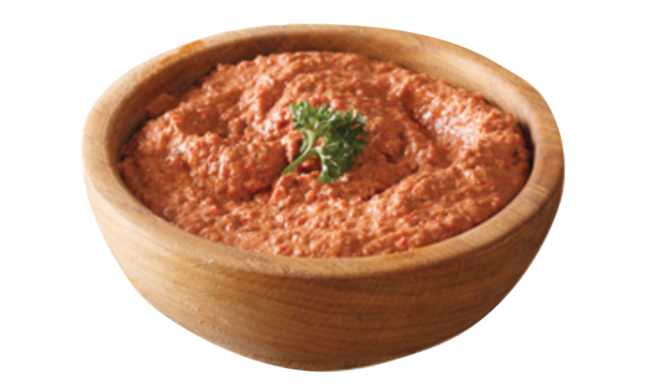
Muhammara is a brown-red thick spicy dip made of roasted walnut and red bell peppers, served cold or at room temperature as an appetizer, or as a main breakfast dish.

It is popular across the Arab world, served next to grilled fish and beef dishes in most Levant and Turkish restaurants.

Muhammara is a light dish associated with Aleppo in Syria. People usually enjoy eating it as one of a mezze platter selection on the table during Ramadan, especially in Turkey, Palestine, Jordan, and Lebanon.

It is believed that the dip arrived in Saudi Arabia through the Shami people, who came to perform Hajj or Umrah or to trade.

With the rise of veganism, some people depend on the side dish as their go-to main snack. Our recipe, however, is designed to allow everyone to enjoy the dip worry-free.

To make Muhammara, you need two red bell peppers, one red onion, four garlic cloves, one red chilli, pomegranate molasses, fresh lemon juice, two tablespoons of olive oil, 50 grams of toasted walnuts, salt and pepper.

First, preheat the oven to 220 C to toast the walnuts for 20 minutes, to get a delicious roasted flavor. Then roast the red bell peppers on an open burner until the flesh is softened and roasted through, so you can peel off the skin easily and get a smoky taste.

Toss all the ingredients into a food processor, season it with salt and pepper, add the walnuts and blitz until you get a smooth, homogeneous mixture.

Spread the muhammara on a plate, and keep in in the fridge.

Once it is iftar time, drizzle it with olive oil, garnish with any greens, and serve it with a bread of your choice.


Where We Are Going Today: Ziba Restaurant in Riyadh

Photo/Supplied
Updated 10 March 2026
Follow

Where We Are Going Today: Ziba Restaurant in Riyadh

  • A meal for one person can range roughly between SR100 ($27) and SR150 depending on the dishes ordered. While this places the restaurant in the mid-range category for Riyadh dining, ordering several dishes to share can quickly raise the overall bill

Riyadh’s dining scene continues to expand, and one of the newest additions bringing a touch of Persian sophistication to the capital is Ziba.

With roots in Alkhobar, the restaurant has built a reputation for blending traditional flavors with an elegant dining experience.

When I arrived, the first thing that stood out was the atmosphere. The interior felt thoughtfully curated, with Persian-inspired design elements that create a warm yet refined setting.

Rich carpets, subtle lighting and artistic details add the impression of stepping into a space that celebrates centuries of craftsmanship from the region rather than conforming to modern trends.

The menu features a variety of grilled meats, rice dishes and classic appetizers that highlight the depth of the culinary tradition.

I began with the mezze platter, which offered a colorful introduction to the meal.

One standout was kashk-o-bademjan, a creamy eggplant dish topped with herbs that delivered rich, comforting flavors. It was the kind of starter that invites you to slow down and enjoy each bite.

The main course, however, is where Ziba truly shines. The joojeh kebab — marinated chicken grilled to perfection — arrived tender and lightly charred, paired with fragrant saffron rice.

The rice was fluffy and aromatic, while the chicken carried just enough seasoning to enhance its natural taste.

Another highlight was the mixed grill platter, which allows diners to sample different kebabs in one sitting. Each cut of meat had its own texture and flavor profile, making the dish both generous and satisfying.

Prices are relatively reasonable considering the restaurant’s upscale atmosphere.

A meal for one person can range roughly between SR100 ($27) and SR150 depending on the dishes ordered. While this places the restaurant in the mid-range category for Riyadh dining, ordering several dishes to share can quickly raise the overall bill.

Service throughout the evening was welcoming and attentive. The restaurant was quite busy, which meant the wait for the main course was slightly longer than expected.

To end the meal, I ordered Persian tea, which arrived steaming and fragrant — a simple but perfect conclusion.

Riyadh has no shortage of restaurants, but Ziba manages to stand out by staying true to its roots.

Find more details on @ziba.saudi.