- Chinese nationals were working on Dasu Hydropower Project in Khyber Pakhtunkhwa province
- PM Sharif, interior minister visit Chinese embassy after bombing, pledge speedy investigation
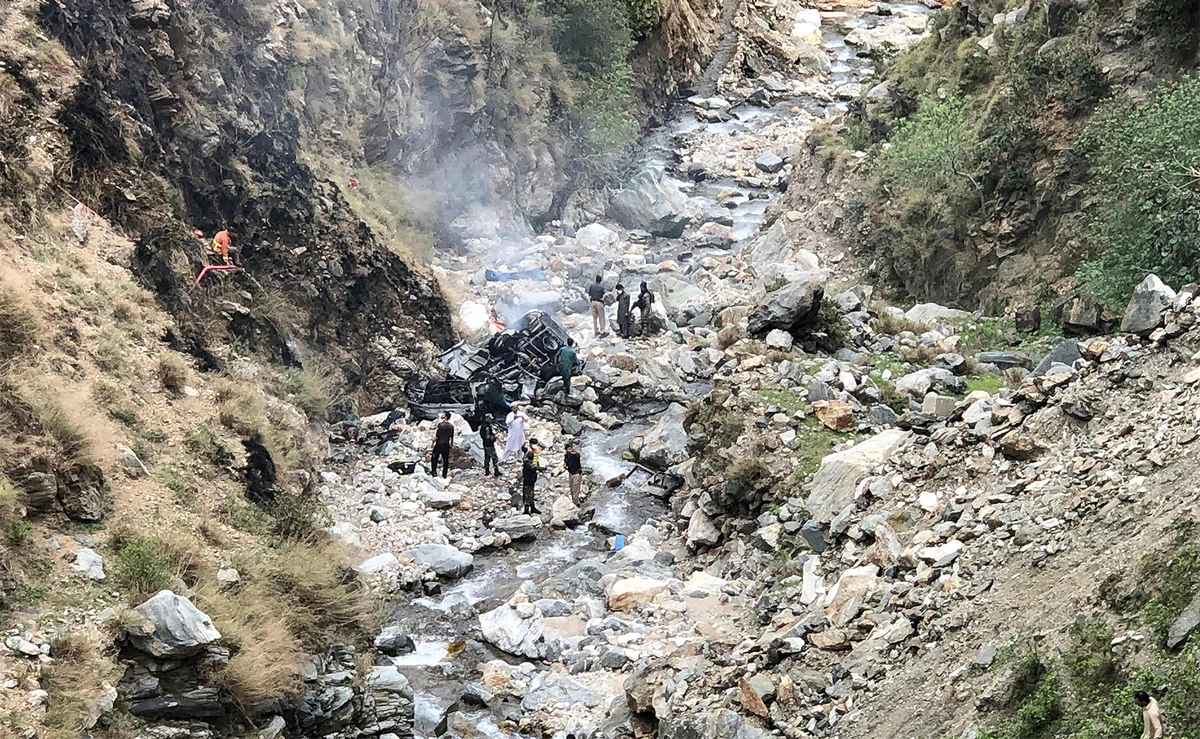
ISLAMABAD: China on Tuesday sought a “through investigation” from the Pakistan government into a suicide bombing that killed five Chinese nationals working on a dam project in the South Asian country’s northwestern Khyber Pakhtunkhwa province, Beijing’s embassy in Islamabad said.
A suicide bomber rammed an explosives-laden vehicle into a convoy of Chinese engineers that was on its way from Islamabad to a camp in Dasu, the site of a major dam project, Bakht Zahir, a local police officer in the Shangla district where the attack took place, told Arab News.
He said the five Chinese nationals killed were construction workers and engineers. The Pakistani driver of the vehicle was also killed in the attack.
The attack is being widely seen as an attempt to undermine a relationship on which Islamabad’s financial survival largely depends as Beijing is investing over $65 billion in energy, infrastructure and other projects in Pakistan as part of the China Pakistan Economic Corridor (CPEC) under its wider Belt and Road initiative. Hundreds of Chinese engineers and technicians work on the projects, many of which are based in Pakistan’s Khyber Pakhtunkhwa and southwest Balochistan provinces.
Khyber Pakhtunkhwa borders Afghanistan and has been the site of renewed attacks by militants, mainly the Pakistani Taliban, in recent years. Attacks by sepratist militants in Balochistan have also been on the rise.
“The Chinese embassy and consulates in Pakistan have immediately launched emergency work, demanding that the Pakistani side conduct a thorough investigation into the attack, severely punish the perpetrators, and take practical and effective measures to protect the safety of Chinese citizens,” Beijing’s embassy in Islamabad said.
In a separate statement, Pakistani Prime Minister Shehbaz Sharif pledged that his government would “conduct a high-level and early investigation of the incident and punish the perpetrators and facilitators.”
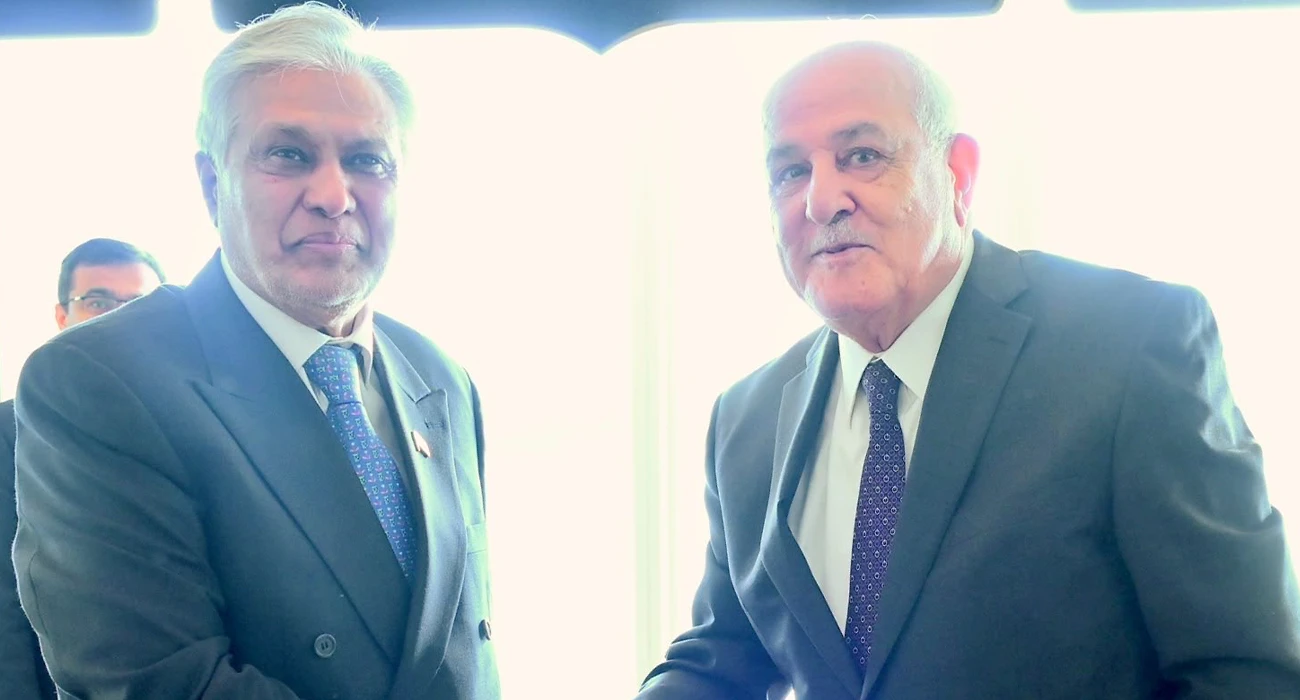
“The sympathies of the entire nation, including myself, are with the families of the Chinese citizens,” said the statement from PM Sharif’s office, which was released shortly after he visited the Chinese embassy in Islamabad and met Ambassador Jiang Zaidong following the attack.
Interior Minister Mohsin Naqvi, who accompanied Sharif, described the incident as an “attack on Pakistan itself.”
“CHINESE INTERESTS”
No group immediately claimed responsibility for the bombing, which is the third major attack in Pakistan in a week.
Last week, militants attacked Balochistan’s strategic Gwadar port, which China is developing as part of CPEC. All eight militants and two Pakistani soldiers were killed in the attack, officials said.
The second attack, on a naval base in Balochistan’s Turbat region, took place this week on Monday night, in which one Pakistani paramilitary soldier and five militants were killed.
Chinese interests in Pakistan have been targeted by both religiously motivated and separatist militants in the past as well.
In July 2021, a blast on a bus carrying workers to the Dasu dam construction site killed 13 people, including nine Chinese workers. Pakistan had blamed that attack on the intelligence agencies of rival neighbors India and Afghanistan. Both countries denied the accusations.
A female suicide bomber affiliated with a separatist group killed three Chinese teachers in Karachi in April 2022 along with their local driver.
In August 2023, militants attacked a Pakistani military convoy near Gwadar as it was escorting a delegation of Chinese nationals to a construction project. The Pakistan army said at the time two militants were killed and no harm was caused to any military personnel or civilians.
Commenting on the attacks of the past week, Pakistan’s military said they were “aimed at destabilizing the internal security situation.”
“Strategic projects and sensitive sites vital for Pakistan’s economic progress and the well-being of its people are being targeted as a conscious effort to retard our progress and sow discord between Pakistan and its strategic allies and partners, most notably China,” the Pakistani military’s media wing said in a statement on Tuesday.
“With the unwavering support of the resilient nation and our iron-clad ally China, we will ensure that all those involved in aiding terrorism, directly or indirectly, are held accountable and find their due comeuppance.”