


JEDDAH: Ramadan is a special time for Muslims to get together with family and loved ones. These gatherings in Saudi culture result in a diverse menu of delicious dishes, with many being made exclusively during the holy month.
Dates are an essential dish that Muslims use to break their fasts, following in the tradition of the Prophet Muhammad (peace be upon him). For Saudis, an assortment of dates are normally consumed, along with Arabic coffee, soup, and fried or baked stuffed pastry (samboosa and other dishes). For sugar-hungry Muslims, the soft drink Vimto is often the go-to liquid to quench thirst.
To top it off, Arabian deserts most commonly found on Saudi tables include kunafa (a sugar-soaked pastry stuffed with cream) and logaimat (small round balls of fried dough covered in sweet syrup), while qatayef, pancakes filled with cream or nuts, are the cherry on top.

The dishes served at iftar gatherings, and when important feasts take place, are often distinct to a particular local culinary culture and the availability of particular ingredients. (Visit Saudi)
Despite these common foods, each region in the Kingdom favors specific dishes. In the central region, hanini is what many Najdis place on their tables when breaking their fasts. The porridge-like dish is made of dates, wheat flour, ghee and sugar. You will also find jarish, another famous savory dish made from ground wheat, lamb stew and vegetables, with a side of whole-wheat ‘mini pancake-like’ discs known as matazeez and margoog.
In Saudi Arabia’s Eastern Province, popular dishes include balaleet (sweet vermicelli and eggs), asida (lump of dough made by stirring wheat flour into boiling water, sometimes with added butter or honey), samosas, and sago pudding.
On the far side of the peninsula, in the western region of Hijaz, the dish exchange tradition is still alive today. “Al-to’ma” is a year-round custom where a plate is never returned empty. Everything from soups and samosas to traditional dessert delicacies such as qatayef, basboosa, or sago pudding is exchanged.

The dishes served at iftar gatherings, and when important feasts take place, are often distinct to a particular local culinary culture and the availability of particular ingredients. (AN photo)
Many families also share subya, a drink made especially in Ramadan to quench one’s thirst, made from barley or bread soaked overnight with spices such as cinnamon, cardamom, sugar and raisins, to give it its distinctive red color.
Foul, a flavorful and filling dish made with fava beans, and tamees, the bread it is eaten with, are iftar favorites in households around the Kingdom. Known as the “master” or Ramadan dinners, the pairing is considered a staple.
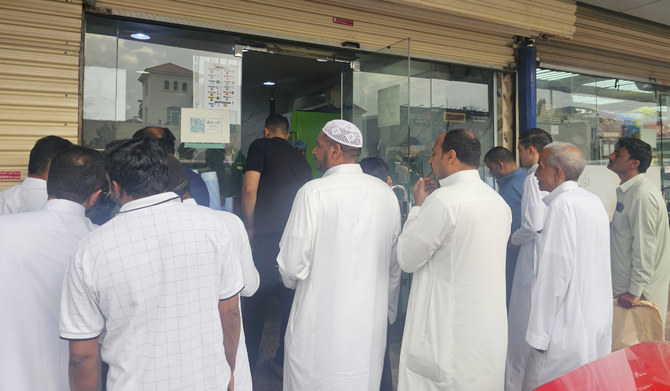
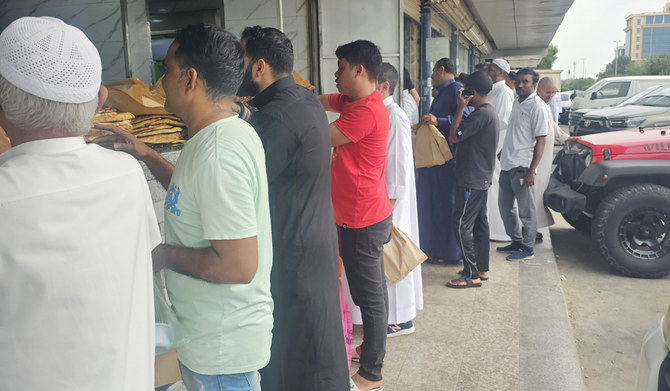
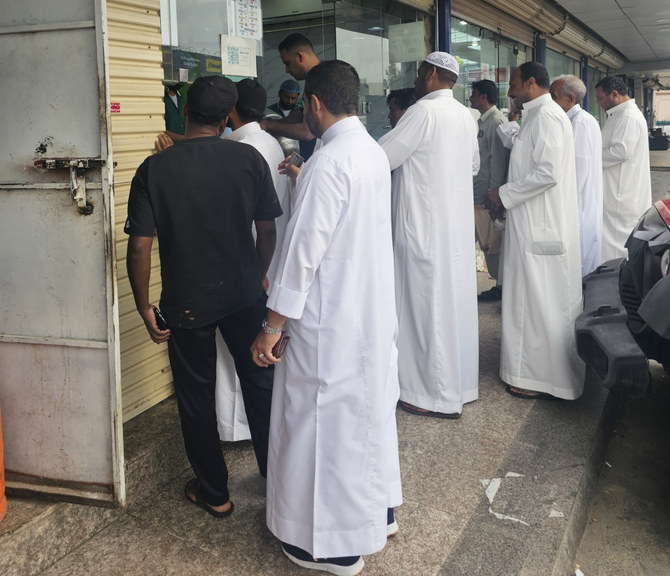
The demand for foul and tamees increases in Ramadan, with people lining up to purchase the food until just before the Maghrib call to prayer, when fast is broken.
Arab News visited one of the foul shops in the district of Al-Faisaliah in Jeddah and witnessed customers arriving nearly two hours before breaking fast, with the crowd growing larger as iftar time drew closer.
The long line featured people of diverse nationalities, including Egyptians and Syrians, all waiting in the heat, eager to buy foul to share with families and friends during iftar.
“Without foul, the Ramadan table is considered incomplete. That’s why we wait all these long hours to get it,” Abdulfatah Al-Saeedy told Arab News while waiting in line. He had come all the way from Al-Salama district to his favorite foul shop.
The crowds do not deter 59-year-old Abu Abdullah from standing in line to buy foul, though.
“I have no problem at all with this chaos and it is worth it because it is a habit for my family to have foul and tamees at iftar,” he said.
Asked what distinguishes one foul shop from the other, Taha Abdel Samad, who works at the shop, said: “It depends on how you prepare it, and every foul seller — known as ‘fawwal’ — has his own method of preparing the dish. We offer the dish after mixing it with several kinds of spices.”


