





RIYADH: The Indian diaspora has contributed richly to the development of cricket played in Saudi Arabia for over five decades.
It was in 1978 when, for the first time, regional cricket associations in Riyadh, Jeddah, and Dammam began organizing matches on weekends and developed improved cricket facilities.
In 2003, after obtaining a license from the General Presidency for Youth Welfare, Saudi Cricket was formally registered as an associate member of the Asian Cricket Council and an affiliate member of the International Cricket Council with its main objective to promote, popularize and develop the game in the Kingdom at the grassroots level.
In 2020, the Saudi Arabian Cricket Federation, the official governing body of the sport in the Kingdom, under the auspices of the Saudi Arabian Olympic Committee and the Ministry of Sports, was finally established, with Prince Saud bin Mishal Al-Saud as chairman of the federation.
But the game has a storied heritage in Saudi Arabia as for years, South Asian expatriates have taken part in self-organized matches on the streets and parking lots of Riyadh, Jeddah, Dammam and other cities. Wherever they went, they took cricket with them.
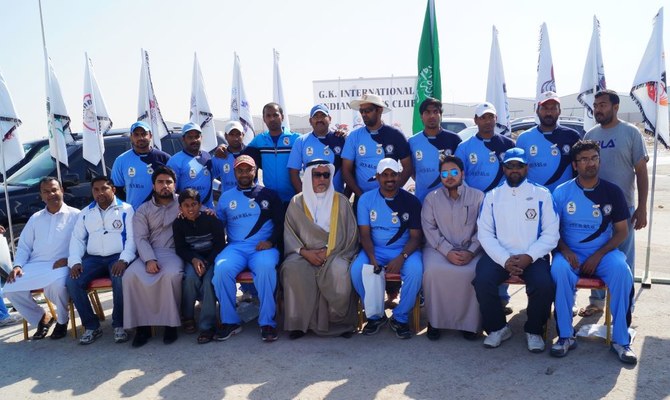
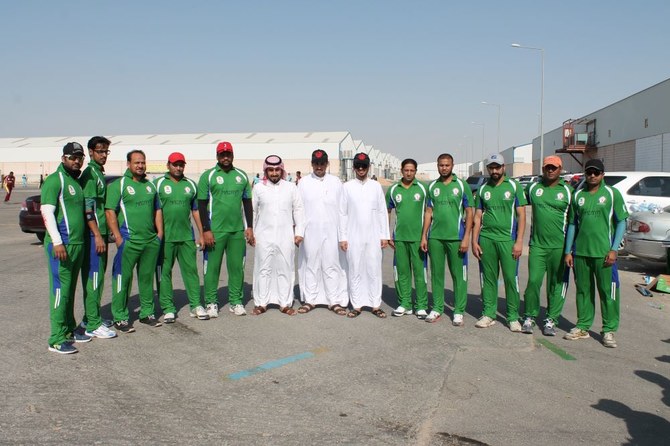
An Indian cricket club that has played an important role in the rise of the game’s popularity at the community level in recent years is the GK International Indian Sports Club in Riyadh.
“The growth of cricket in the Kingdom is an inspirational story,” Dr. Gayas Ahmed Sattar, GKIISC president, told Arab News.
“Cricket in the desert was just next to impossible a few decades ago. A country with a football craze had no idea of the game. Now popular, cricket has made its presence felt and made its roots strong, thanks to the efforts of the expats from South Asian countries, including India. The Indian diaspora has contributed by and large to this effort from the grassroots level to the management level of the game,” said Sattar.
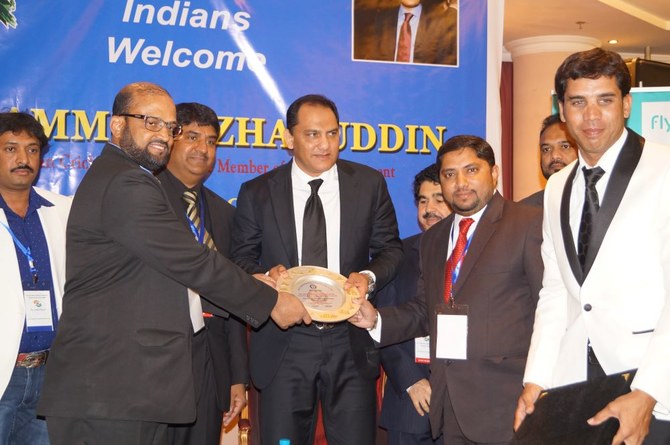
“Many big Indian names have played a role in this long journey of cricket in Saudi Arabia. Upon invitation from the Indian community, top Indian cricketers including Mohammed Azharuddin and Kapil Dev visited Saudi Arabia to promote the game and inspired budding cricketers. Thus, cricket has covered a long journey and has (gone from) tape-ball cricket to the full-fledged ICC-recognized game.
“The Indian diaspora contributed immensely by organizing tournaments at various levels, including in Indian schools, and in organizing cricket coaching camps regularly.”
Various small clubs mushroomed over time, taking the game forward at a fast pace. One such club was the GKIISC, founded by Sattar along with Mohammed Kaleem, which set the benchmark for Indian players and teams.
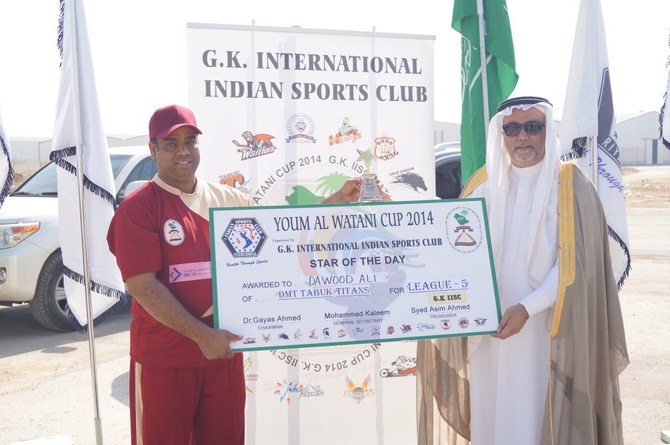
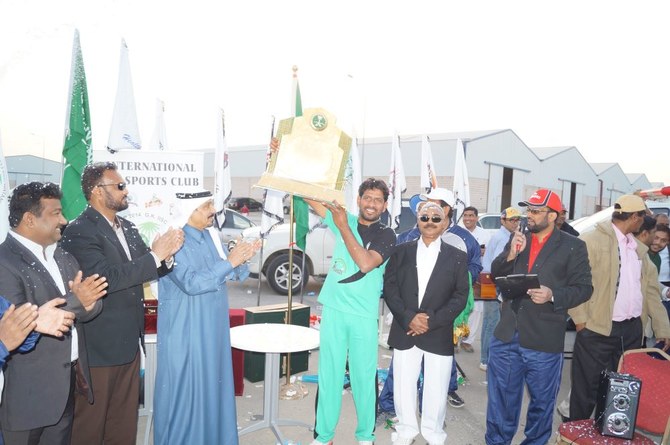
GKIISC began organizing tournaments per ICC rules, the most popular one being the Youm Al-Watani Cup to commemorate Saudi National Day.
“It was one of the biggest tape-ball tournaments in the Kingdom. The annually played Youm Al-Watani Cup finally went to top format when all A Division hardball teams took part in it. Similarly, many big clubs were formed in cities like Jeddah, Riyadh, Dammam, and Khobar. Jeddah Premier League is another big name that is organizing cricket on a mega scale. Many big companies came forward to sponsor the tournaments. Thus, slowly the game made it to the high level, almost becoming the second game next to football in the Kingdom,” said Sattar.
Many Indian personalities held high positions in managing cricket affairs in the Kingdom like Nadeem Nadavi, who worked with the SACF. Indian players — including captain Hisham Shaikh, Mustafa Khalander, Shamshuddin and Ahmed Baldaraf — excelled in the Saudi national cricket team, playing an important role in cricket’s development in the Kingdom.
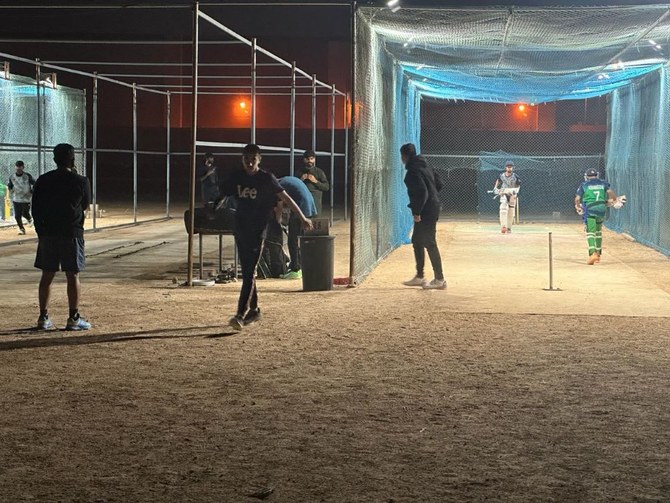
Another Indian serving cricket in the Kingdom is Mohammed Azimooddin Abdul Rahiman Karajagi, an ICC-certified curator and umpire, and head coach of the Riyadh Cricket Association. He also runs Mark Cricket Academy in Riyadh where he and his team provide cricket coaching, training the players with net practice as well as ground matches.
Echoing Sattar’s words, Kaleem said that the “Indian diaspora has gone a long way in bringing up cricket from the grassroots level to the international level.”
Ahad Murtaza, an Indian working as a faculty member at King Saud University and a cricket enthusiast, told Arab News: “Just take a drive through Riyadh’s neighborhoods and wherever you find open space, chances are you will see people playing street cricket. This is how cricket has been played by us here.
“I enjoy playing cricket as a hobby with my friends in my free time. I have always considered cricket to be a gentleman’s game in which we celebrate friendship, sportsmanship, and teamwork. We also learn how to enjoy our opponents’ victories and accept defeat with grace. Cricket is also about learning discipline and reflecting it with your bat and ball, with the performance.
“I have made a lot of friends from different backgrounds and cultures thanks to cricket. I have been working in Saudi Arabia for 10 years and in addition to my job, I simply love to play cricket, which has the ability to bring people together under one umbrella,” Murtaza added.


