

With new smart HQs, SAB emerges as a leader in sustainable banking in Saudi Arabia

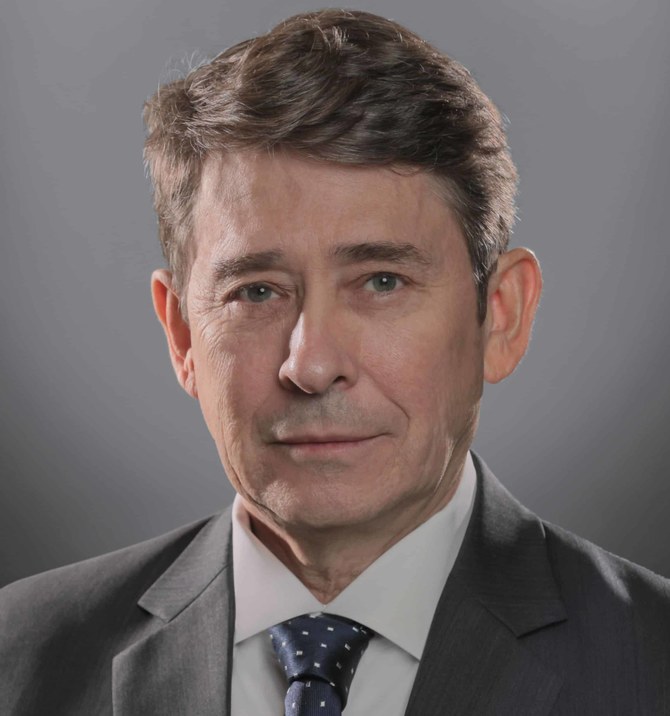
Tony Cripps, CEO of SAB
Short Url
Updated 19 March 2024
Follow

With new smart HQs, SAB emerges as a leader in sustainable banking in Saudi Arabia

At Saudi Awwal Bank, sustainability is not just a commitment; it is a responsibility. The bank’s ethos is built on the firm foundations of smart and sustainable banking and ESG is central to its success. The bank’s efforts are profoundly aligned with the Kingdom’s visionary goals for a greener, more eco-conscious future. The Leadership in Energy and Environmental Design, or LEED, and SmartScore Gold and Platinum certifications that SAB has earned for its headquarters underscore the dedication to creating environmentally responsible and resource-efficient structures.

LEED certification is a globally recognized rating system for sustainable building design and construction, and achieving the gold status signifies a commitment to excellence in sustainable building practices. As for SmartScore, it is from the global accreditation body WiredScore, which recognizes best-in-class smart buildings that provide engaging work environments, drive cost efficiency and ensure high sustainability standards.

SAB’s LEED and SmartScore certifications are not just a badge of honor; they are a testament to the bank’s unwavering commitment to sustainability. These certifications have far-reaching benefits, not only for SAB but for the environment, economy, and society at large.

The statistics surrounding SAB’s new headquarters are nothing short of impressive, showcasing the tangible impact the bank’s commitment to sustainability has had:

  • A remarkable 28.47 percent reduction in energy consumption compared to conventional baseline buildings, contributing to lower carbon emissions and reduced operational costs.
  • 73.62 percent of construction waste was recycled, diverting metal, wood, concrete, paper, and plastic waste from landfills to recycling centers, reducing environmental impact.
  • 36.74 percent of construction materials were composed of recycled content, further reducing the need for new resource extraction.
  • The new building boasts 30 percent higher outdoor air flow compared to code recommendations, ensuring enhanced indoor air quality for occupants.

SAB’s ambitions extend beyond their SmartScore and Gold certified building. They aspire to play a leading role in mobilizing finance to support an inclusive, diverse, and a just transition toward a more sustainable economy. By embedding ESG considerations at the heart of the organization, SAB is taking meaningful steps to support a more sustainable future.

SAB’s new headquarters is a shining example of how financial institutions can lead the way in promoting sustainability and environmental responsibility. SAB’s commitment to reducing their environmental footprint while supporting Saudi Arabia’s ambitious goals is a testament to the positive impact that can be achieved when sustainability is at the core of an organization’s values. The LEED Gold certification is not just a recognition of their achievement; it is a beacon of hope for a greener, more sustainable future for the Kingdom — inspiring the region and beyond.

- The writer is CEO of Saudi Awwal Bank.


How TCS is helping GCC businesses turn sustainability ambition into action

Updated 28 sec ago
Follow

How TCS is helping GCC businesses turn sustainability ambition into action

As GCC countries advance toward ambitious goals like Saudi Arabia’s Vision 2030 and the UAE’s Vision 2031, sustainability is no longer optional: it’s essential. Businesses across the region are increasingly expected to show tangible progress on their environmental and social commitments. But turning these ambitions into measurable outcomes remains a challenge.

Many GCC organizations are committed to sustainability but struggle with fragmented and inconsistent ESG data. Information is often captured manually or stored in silos, disconnected from key business metrics. This makes it difficult to track progress, meet disclosure requirements, or gain a holistic view of impact. Adding to this complexity is a shifting regulatory landscape, with global ESG standards becoming more structured and mandatory.

The solution: smarter sustainability through technology
Tata Consultancy Services believes that technology is the key to solving these challenges. By leveraging advanced digital tools, including AI, IoT, blockchain, and cloud-based platforms, TCS helps organizations automate ESG data collection, unify information across departments, and generate actionable insights.

For example, the TCS Zero Carbon Platform enables businesses to monitor Scope 1, 2, and 3 emissions accurately and in real time. The platform provides a single, transparent view of sustainability performance and ensures that the data is audit ready. TCS also brings deep capabilities in digital twins: virtual models that allow businesses to simulate energy consumption and test decarbonization strategies in a risk-free environment.

These digital solutions also improve data accuracy and transmission, even in offshore or hard-to-access environments, while enabling predictive insights into program performance and ROI.

To ensure consistency and global credibility, TCS also helps organizations align their sustainability efforts with internationally recognized frameworks such as GRI, ISSB, SBTi, TCFD, and IFRS. This alignment goes beyond compliance, embedding ESG into enterprise architecture and business strategy.

TCS–TÜV SÜD: services for impact
To strengthen the credibility and assurance of data sustainability, TCS has partnered with TÜV SÜD, a global leader in testing, inspection, and certification. This collaboration brings together TCS’s digital innovation with TÜV SÜD’s technical validation and third-party certification expertise.

Together, they offer an end-to-end sustainability solution that enables organizations to capture and analyze emissions data using the TCS Zero Carbon Platform, validate results through TÜV SÜD’s independent assessments, and ensure compliance with evolving global ESG regulations, which will build trust with stakeholders through transparent, certified reporting.

Whether it’s conducting energy audits, supporting ESG risk mitigation, or designing a decarbonization roadmap, the TCS–TÜV SÜD approach empowers Middle East businesses to move confidently and efficiently toward their net-zero goals.

What GCC businesses should focus on
With regulatory expectations rising and stakeholders demanding more transparency, organizations in the GCC need to be proactive in how they approach sustainability. One key priority is automated ESG reporting, moving away from manual processes toward integrated systems that ensure data consistency, traceability, and auditability.

Another critical focus area is managing Scope 3 emissions, which requires companies to take accountability for their entire value chain, from suppliers to end-users. Finally, businesses must prioritize building data-backed narratives, using verifiable, high-quality ESG data to clearly communicate their sustainability progress and build trust with stakeholders.

The TCS advantage
TCS combines global experience with regional understanding to help GCC businesses embed sustainability into their core operations. From platforms like TCS Clever Energy and TCS Envirozone, to partnerships with TÜV SÜD and beyond, TCS enables organizations to transform their ESG goals into measurable, impactful outcomes.

As sustainability investment accelerates across areas like clean energy, carbon capture, and sustainable aviation fuels, TCS is well-positioned to guide GCC businesses in navigating this evolving landscape.

By bringing together digital innovation, strong partnerships, and deep industry expertise, TCS helps businesses in the GCC not only keep up, but lead, in the era of sustainable transformation.