

Alaliyah Museum showcases Jazan’s rich heritage

1 / 4
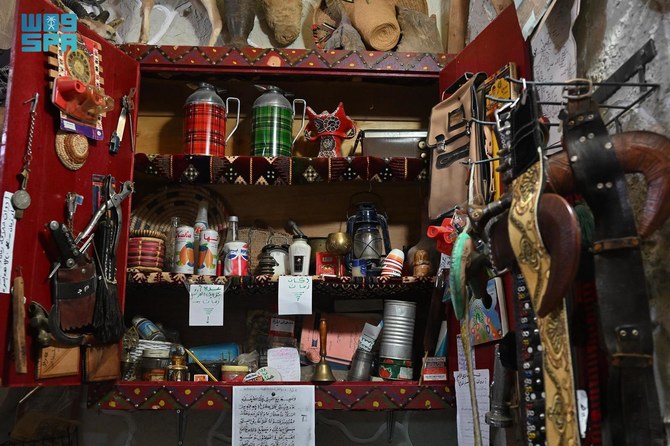
Mohammed bin Mohsen Al-Dhagareeri has gathered the artifacts together over a period of 50 years. (SPA)
2 / 4
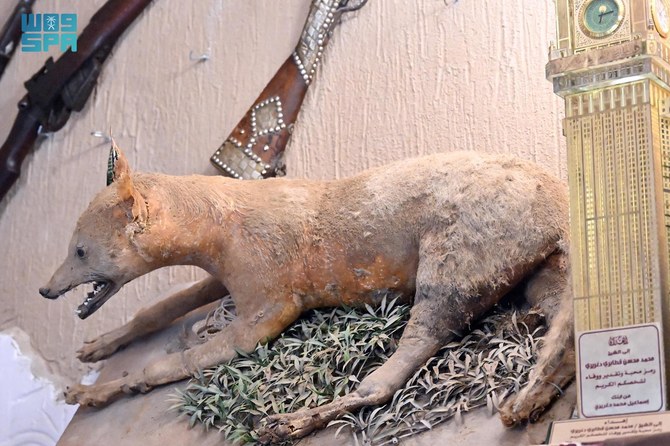
Alaliyah Museum has played its part in preserving the region’s human and cultural heritage. (SPA)
3 / 4
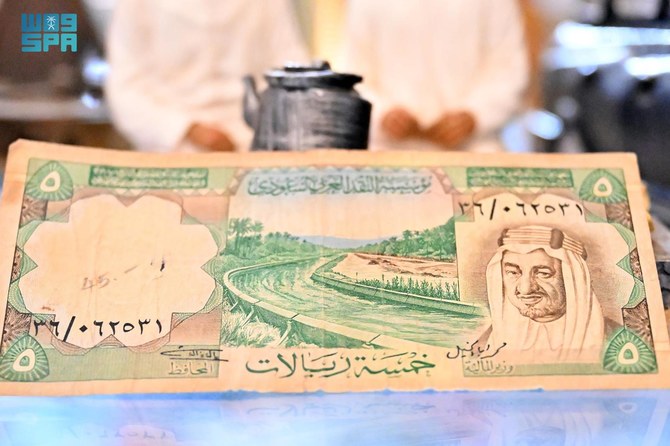
Alaliyah Museum has played its part in preserving the region’s human and cultural heritage. (SPA)
4 / 4
Alaliyah Museum has played its part in preserving the region’s human and cultural heritage. (SPA)
Short Url
Updated 17 March 2024
Follow

Alaliyah Museum showcases Jazan’s rich heritage

RIYADH: Collecting antiques and archaeological pieces is a common pastime for many people in the Jazan region.

Some embark on personal quests, scouring valleys, forests, and heritage sites in search of items.

And this has led to the establishment of numerous private museums that provide valuable information to researchers and help new generations learn about their country’s history.

Situated in Dhagareer Village, Samtah governorate, Alaliyah Museum has played its part in preserving the region’s human and cultural heritage, the Saudi Press Agency reported.

One of the museum’s most notable artifacts is a traditional sofa dating back more than 160 years. It retains its original legs crafted from jujube tree wood. Other pieces showcase past life in the Jazan region.
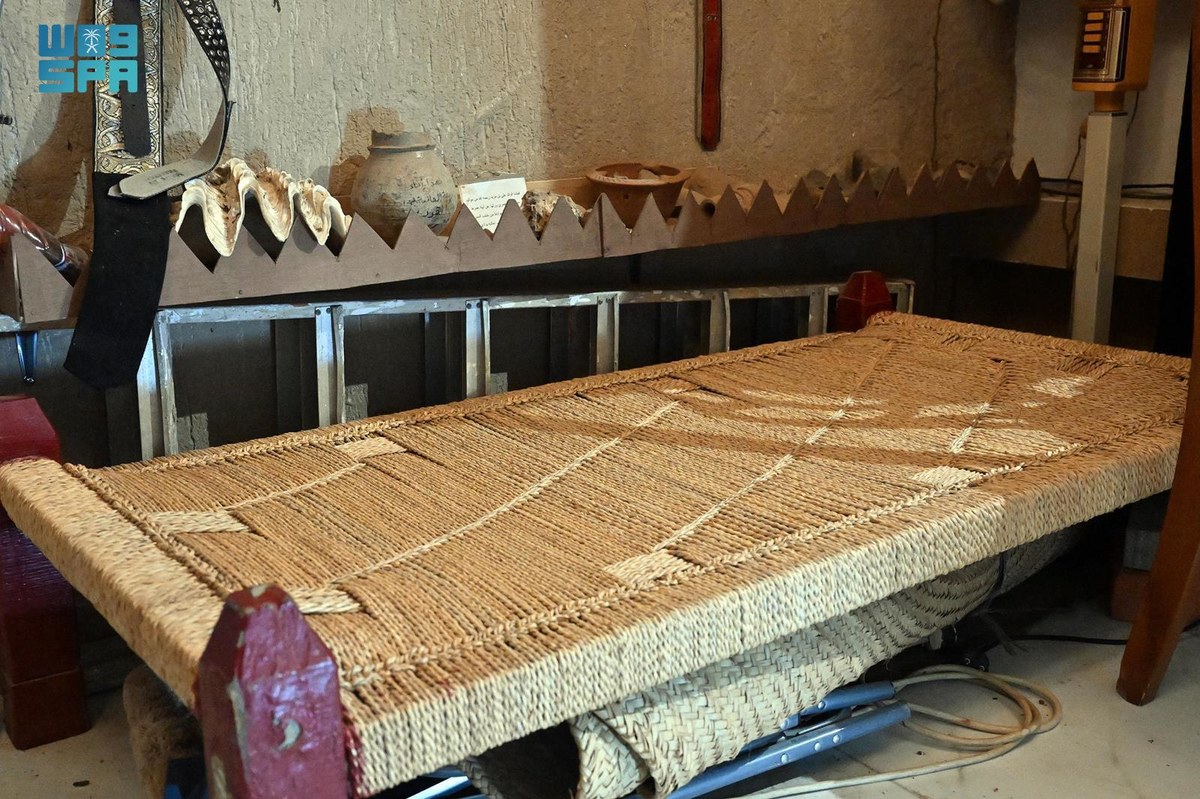


One of the museum’s most notable artifacts is a traditional sofa dating back more than 160 years. (SPA)

Mohammed bin Mohsen Al-Dhagareeri has gathered the artifacts together over a period of 50 years.

In 2004, he established the museum, named after the ancient city of Alaliyah, which was constructed on the remnants of the city of Al-Khusuf on the southern side of Wadi Khaleb. Although the city vanished in the late 10th century, its ruins served as the foundation for the present-day Dhagareer village.

Also among museum exhibits is a 500-year-old hook used in the well of Alaliyah, farming and agricultural tools, measuring instruments made from tamarisk wood, copper pots, water jars, pottery, stone lamps, and camel shackles.

In addition, it houses a collection of antique women’s jewelry alongside an assortment of daggers, swords, weapons, and coins.
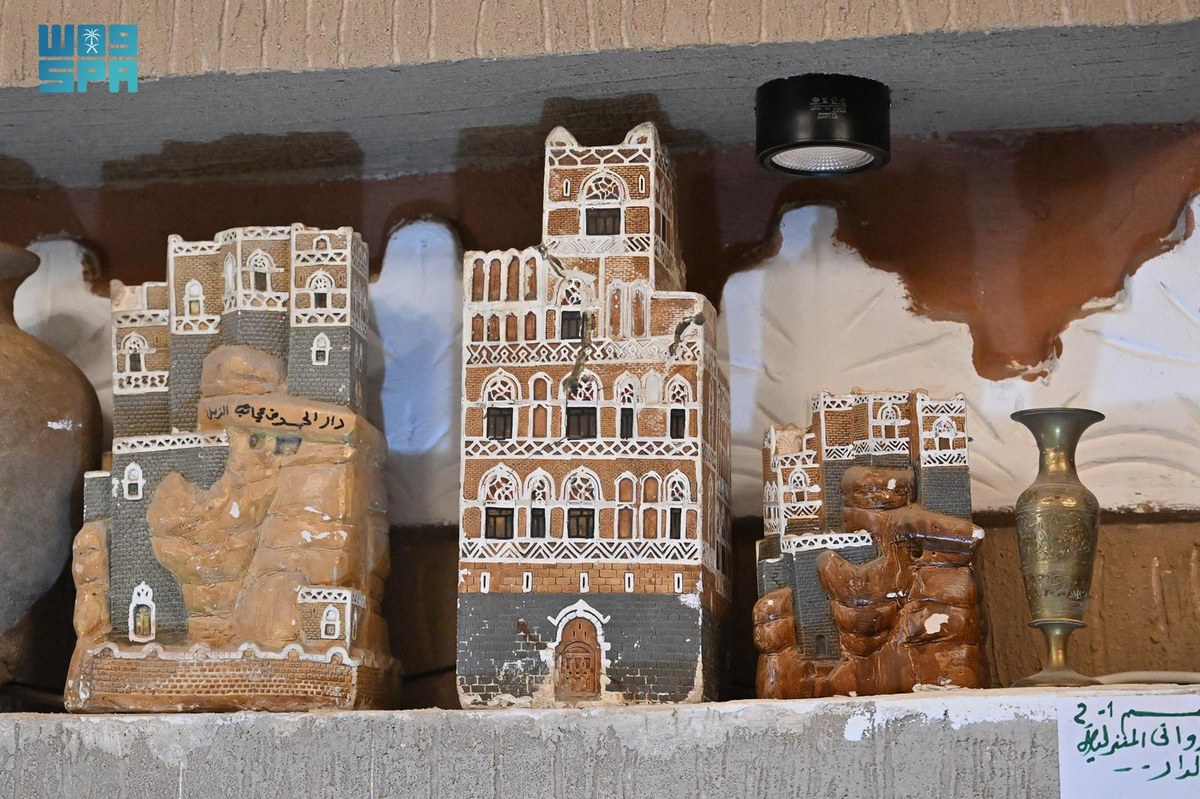


Alaliyah Museum has played its part in preserving the region’s human and cultural heritage. (SPA)


Pioneering electric bus service takes to the road in Makkah

Updated 19 December 2025
Follow

Pioneering electric bus service takes to the road in Makkah

  • The bus rapid transit project, a system designed to have higher capacity and reliability than conventional bus services, is said to be the first of its kind in the Kingdom
  • The vehicles operate in dedicated bus lanes within a network that includes two main bus stations and 11 stops along the route connecting them

MAKKAH: A pioneering electric bus service took to the road in Makkah this week.

Electromin, the developer and operator of the service in partnership with Umm Al-Qura for Development and Construction, said it is expected to serve more than 125 million passengers over the next 15 years, while cutting carbon dioxide emissions by more than 31,500 tonnes compared with traditional vehicles.

The bus rapid transit project, a system designed to have higher capacity and reliability than conventional bus services, is said to be one of the first of its kind in the Kingdom. It was inaugurated on Wednesday by Amr Al-Dabbagh, chairperson of Al-Dabbagh Group; Samir Nawar, managing director of Petromin; and Yasser Abu Ateeq, CEO of Umm Al-Qura.

The bus rapid transit project is designed to have higher capacity and reliability than conventional bus services. (Supplied)

Electromin, a subsidiary of Petromin specializing in energy and mobility solutions, said the new service, which forms part of the Masar Destination mixed-use real estate development project in Makkah, is one the first transport networks of its kind in the country, and represents a significant shift toward a cleaner, more efficient urban transport model.

It operates in dedicated bus lanes, connecting key hubs within Masar and providing safe, reliable and environmentally friendly transportation for residents and visitors, the company added. The network includes two main bus stations and 11 stops along the route connecting them. It has been designed to serve more than 5 million visitors and pilgrims annually, and to be easily accessible to all users.

Operators say the service is designed as a foundation for Makkah’s future transportation system, through its integration with the broader Masar project, which includes pedestrian walkways, more than 5,000 parking spaces, metro services and other urban infrastructure.