- Zardari’s opposing candidate, Mahmood Khan Achakzai, felicitates him over victory, says ‘our real test is about to begin now’
- Political analysts said Zardari can help create conducive environment for political dialogue to restore stability in the country
ISLAMABAD: Prime Minister Shehbaz Sharif on Saturday congratulated his coalition partner Asif Ali Zardari for being elected as the country’s president for the second time after he secured 411 votes in the indirect electoral contest held in Pakistan’s parliament and provincial assemblies while his rival Mahmood Khan Achakzai could only bag 181 votes.
Zardari was nominated for the post by the ruling coalition led by Prime Minister Shehbaz Sharif. He was contesting against Mahmood Khan Achakzai, backed by the supporters of Pakistan’s incarcerated former prime minister Imran Khan.
Lawmakers started arriving in the national and provincial legislatures in the morning, as polling began at 10am and continued until 4pm.
Announcing the total number of votes bagged by the two candidates, the Election Commission of Pakistan (ECP) said the official result “shall be prepared and forwarded to the federal government tomorrow after receipt of original record from the Presiding Officers, for issuance of formal notification by the federal government.”
Soon after the development, PM Sharif issued a statement, saying Zardari’s victory had proved that all the four federating units in the country had expressed confidence in his leadership.
“President Asif Ali Zardari will be a symbol of the federation’s strength,” he said, adding that Zardari’s election reflected the continuity of democratic values in the country.
Sharif said he was optimistic that Zardari would do everything to fulfill his constitutional responsibilities as president.
He noted the allied parties would work together for the development and prosperity of the country.
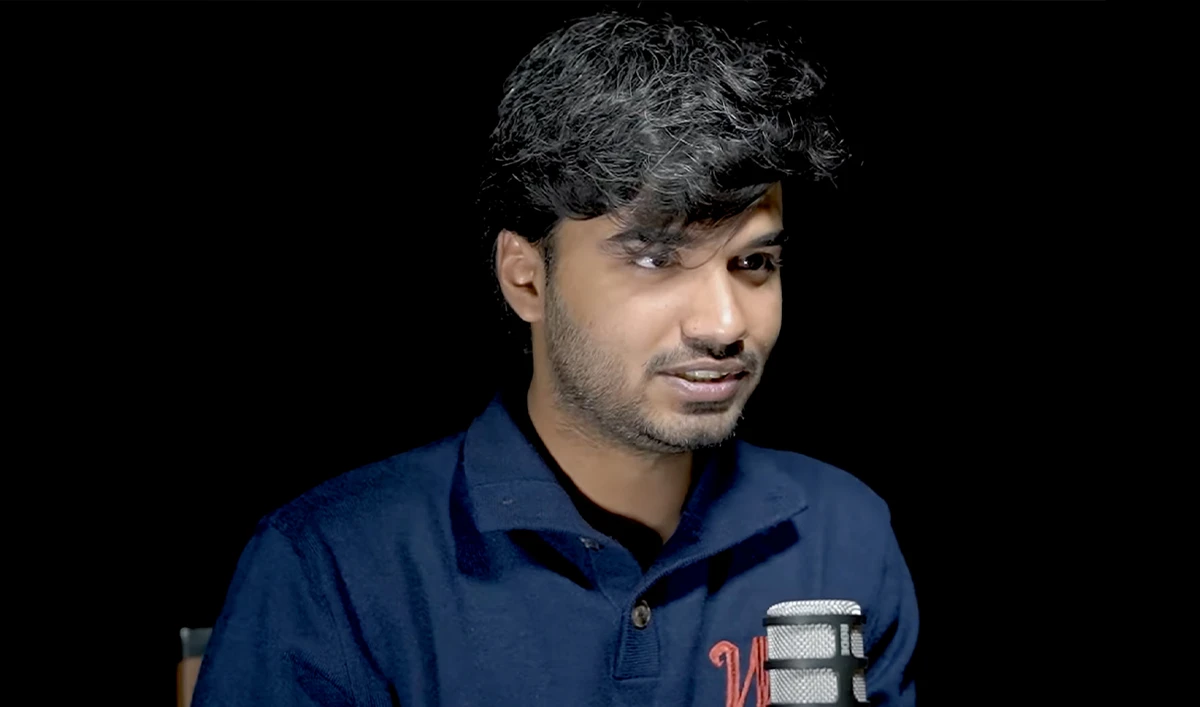
Zardari’s opposing candidate, Achakzai, also congratulated him on winning the presidential election, though he said the country’s political elite was going to face major challenges in the coming days.
“Our real test is about to begin now,” he said while addressing journalists in front of the parliament building.
Achakzai mentioned the volatility of the global and regional situation, saying: “This all needs a consensus.”
During his last tenure as president from 2008 to 2013, Zardari ushered in constitutional reforms, including the 18th amendment, to ensure larger autonomy to provinces, and rolled back presidential powers.
On Friday, his predecessor Arif Alvi was accorded a farewell guard of honor. Alvi’s five-year term ended in September last year, but in Pakistan, a president may continue to stay in office constitutionally until his successor is elected.
The tenure of Alvi, who took oath on Sept. 9, 2018 after ex-PM Khan’s Pakistan Tehreek-e-Insaf (PTI) party came to power in election held the same year, was marked by political instability and civil-military tensions, and saw the ouster of Khan in a parliamentary no-trust vote in April 2022.
Besides political instability, an economic crisis gripped Pakistan during this period, with the South Asian country barely averting a default in June last year by securing a $3 billion bailout deal from the International Monetary Fund (IMF).
Political analysts said that Zardari could help bring down political temperatures in the country by developing a larger political consensus among parliamentary parties, including the PTI.
“Asif Ali Zardari has successfully built bridges between among political parties, except for the PTI, ahead of his election for the presidency and in next phase he may also take along the PTI to end polarization in the country,” Zaigham Khan, a senior analyst, told Arab News.
He said the PTI had fallen out of favor since its founding leader and ex-premier Khan was embroiled in a “direct confrontation” with the country’s powerful military establishment after the May 9 violence, though Zardari had the ability to facilitate a rapprochement.
Tahir Malik, a professor at the National University of Modern Languages in Islamabad, said Zardari was known for his legacy of political reconciliation and could take the opposition parties along, adding his role in the restoration of political stability in the country was going to be “crucial” in the coming days.
“The president can help create a conducive environment for political dialogue,” he told Arab News. “Otherwise, the office of the president is ceremonial with no authority or powers. Asif Ali Zardari, I guess, would love to play this role.”