LONDON: An Iraqi girl who drowned trying to cross the English Channel died because of “people smugglers with no morals,” her family have said.
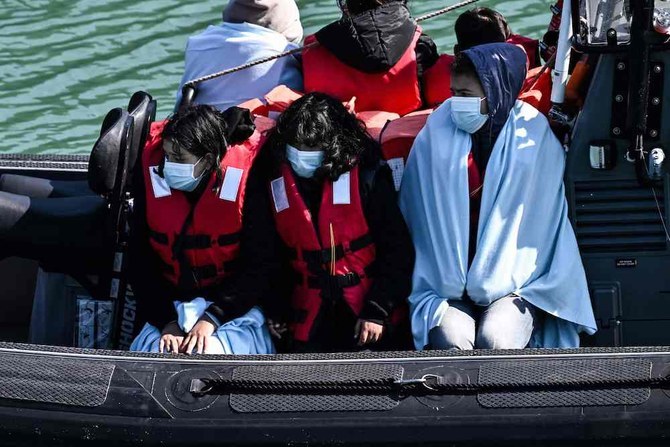
Rula, 7, fell into the River Aa 20 miles inland from Calais in northern France. She was traveling with her parents, four other adults and 10 children aged below 13 years when the boat they were traveling to the UK in capsized.
At her funeral this week, her mother Nour told Sky News: “She was beautiful and I lost her. My little princess. She was 7 years old, she had seen nothing in this world. We just wanted to make their lives better.”
Her father Mohammed said: “The people smugglers have no morals. Every day, I think of dying a hundred times. The water came into the cabin and she was stuck.”
The family, who said they paid around £5,000 ($6,432) for the boat trip, said the vessel had no life vests and was falling apart.
“The smugglers had left us. I had to rescue my wife, my son and another person. But I couldn’t rescue her. My daughter died and the reason why is because of the people smugglers who have no morals,” Mohammed said.
“They fooled us, took money from us and threw us in the water without any mercy. They do not see humans as humans — they only see materials and money.”
The family say they will attempt another crossing to the UK.
Three people accused of people smuggling have been arrested.
Charlotte Huet, the local prosecutor for Dunkirk, said Rula’s death was caused by “cardiorespiratory arrest,” and an enquiry into “manslaughter, unintentionally causing injuries, criminal conspiracy and aiding illegal immigration within an organized gang while endangering others” had been opened.
A source told Metro newspaper that the route the boat had been meant to take “has been used by people smugglers before. On this occasion, the boat was overloaded and too flimsy to support those onboard, who included women and children.
“There was chaos in the water after the boat collapsed, and it led to a 7-year-old girl losing her life.”
Last week, three migrants went missing in the Channel amid poor weather conditions after their UK-bound small boat capsized. One body has been recovered so far. Another five migrants also died crossing the Channel on Jan. 14.
Last year, around 29,000 people crossed the Channel from France to the UK in small boats. British Prime Minister Rishi Sunak has made stopping the boats a core pledge of his government ahead of elections expected later this year.


![]()

Iraqi family blames ‘smugglers who have no morals’ for death of girl, 7, crossing English Channel
Short Url
https://arab.news/w2dsd
Iraqi family blames ‘smugglers who have no morals’ for death of girl, 7, crossing English Channel
- Rula died after boat carrying 17 people capsized
- Mother: ‘She had seen nothing in this world. We just wanted to make their lives better’


Latest updates


© 2026 SAUDI RESEARCH & PUBLISHING COMPANY, All Rights Reserved And subject to Terms of Use Agreement.