- PayPal does not have presence in Pakistan due to its concerns over financial frauds and issues of money laundering
- Freelancers urged the government in the past to take measures ensuring that PayPal extended its services to Pakistan
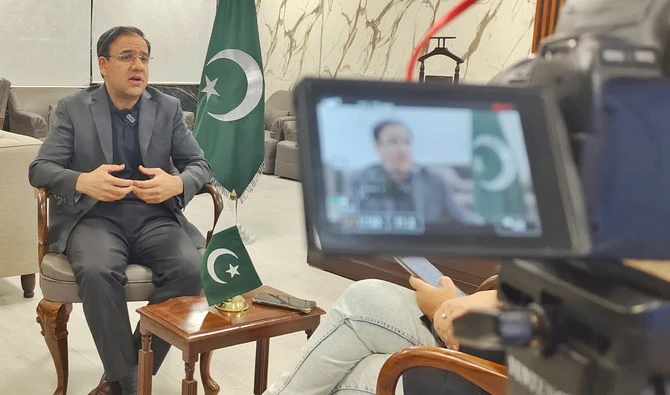
KARACHI: Pakistan’s outgoing interim Minister for Information Technology, Umar Saif, delivered positive news to the country’s online freelancers on Saturday, saying they would be able to receive PayPal remittances directly into their bank accounts for services provided to international clients, starting this month.
Until now, the absence of PayPal in Pakistan created substantial hurdles for freelancers and small businesses by limiting their ability to easily and securely receive payments from abroad. The issue extended beyond individual freelancers, impacting the broader digital economy in Pakistan, which has attracted a significant number of young professionals to undertake Internet-based projects from abroad.
In the past, many of them had repeatedly urged the government to take measures ensuring that PayPal would extend its services to the country, facilitating their businesses. However, PayPal, the international payment company, refused to establish a presence in Pakistan, citing a lack of business opportunities and concerns regarding fraud and money laundering.
“Pakistan online freelancers will be able to receive PayPal remittances starting this month through a tri-party arrangement without needing to create a PayPal wallet,” the minister said in a social media post.
“The goal is to enable them to accept PayPal payments from their clients abroad through a third-party digital wallet, which will use an international remittance mechanism to remit the dollars to Pakistan, and instantly credit the freelancer’s bank account in Pakistan,” he added.
Saif said Pakistan’s central bank would permit freelancers to open accounts against their digital wallet, issue debit cards and create dollar accounts for them to be able to freely use their earnings.
“Freelancers will be able to register with PSEB [Pakistan Software Export Board] and will only have to pay a nominal 0.25 percent tax,” he said.
“Along with our plan to create 10,000 e-rozgaar [e-earning] centers, this will enable Pakistan to truly benefit from earning potential of our online freelancers,” he added.